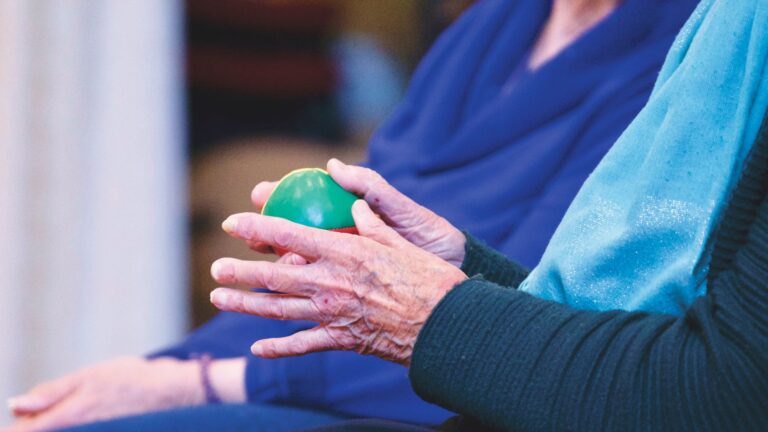
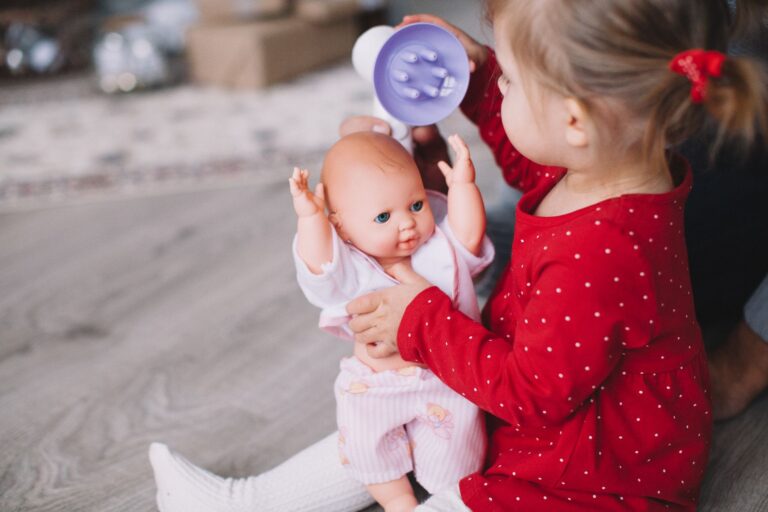
Doll therapy can be tried in early-stage dementia as an optional comfort activity, not as a treatment for memory loss. It involves offering a lifelike doll to hold, dress, care for, or simply look at, with a safe place nearby to put it down. The "early-stage" label needs qualification. Dementia Support Australia says people in earlier stages may enjoy a doll while recognizing it as an object; baby-focused engagement is more common in moderate-to-severe dementia according to its guidance.
Medical information disclaimer: This article is for general educational purposes only and does not provide medical advice, diagnosis, or treatment. Always consult a physician or other qualified health professional about symptoms, medications, tests, or treatment decisions.
Table of Contents
- Is a doll appropriate for this person?
- How to introduce the doll
- Supplies and room setup
- Hygiene, supervision, and stopping rules
- What the evidence can and cannot show
Is a doll appropriate for this person?
Start with the person, not the diagnosis. Consider their interests, parenting history, culture, social background, and usual response to dolls or babies. A person who enjoys holding or dressing a doll may benefit even without treating it as real.
Ask family members or others who know the person whether parenthood-related experiences could make the activity painful. dementia Support Australia warns that adoption, abortion, or abuse may turn a doll into a source of distress rather than comfort. Do not assume that gender, parenthood, or dementia stage predicts interest. Treat an indifferent or negative response as a complete answer, not as resistance that must be overcome.
How to introduce the doll
Place the doll where the person can notice it without making it the center of attention. Allow time for looking, touching, or conversation before suggesting any activity. Use invitations that leave room for refusal: Follow the person's interpretation. If they call it a doll, use that word.
If they engage with it as a baby, respond to the emotion and activity without forcing or testing that belief. Observe the first few sessions closely. Interest may appear as holding, dressing, arranging blankets, talking, or simply keeping the doll nearby. Lack of interest means the activity should stop without pressure.
- "Would you like to hold this?"
- "Would you like to look at the clothes?"
- "Where would you like me to put it?"
- "Would you rather do something else?"
Supplies and room setup
Begin with one lifelike doll selected to fit the person's cultural and social history. Avoid building a large collection before knowing whether the activity is welcome. Keep the setup simple: The resting place matters because the person may become tired or want both hands free.
Position it within easy reach so the person does not need to wait for assistance. In shared care settings, do not circulate one doll among residents. Assigning an individual doll reduces conflict and makes cleaning responsibilities clearer.
- One doll assigned to the individual
- A small set of removable clothes
- A washable blanket
- A reachable basket, bassinet, or similar resting place
- A clear route for putting down and retrieving the doll
Hygiene, supervision, and stopping rules
Wash hands before and after handling the doll. Wipe plastic surfaces after use, and launder removable clothing or blankets before returning them. Residential facilities should also follow their infection-control procedures.
Monitor every use, especially during the introductory period. Pause the activity promptly if you notice: Do not remove the doll abruptly unless immediate care requires it. Offer its resting place, another activity, or a calm transition, while respecting any refusal to continue.
- Verbal or physical refusal
- Fear, crying, or agitation
- Possessiveness or conflict
- Distress about the doll's safety
- Interference with meals, sleep, hygiene, or clinical care
What the evidence can and cannot show
Doll therapy is best understood as a person-centred comfort or engagement option. A 2024 meta-analysis found improvements in behavioral and psychological outcomes, but no significant cognitive improvement in older nursing-home residents with dementia. The evidence remains preliminary.
A 2026 six-home pilot reported fewer neuropsychiatric symptoms at six and 12 weeks, but no medication-dose difference and six mild or moderate related events; its authors called for a larger attention-controlled trial to test the findings. Use the doll alongside human attention and clinical assessment, never in place of them. If behavior changes suddenly or distress persists after the doll is removed, pause the activity and seek an assessment rather than assuming the doll will solve the problem.