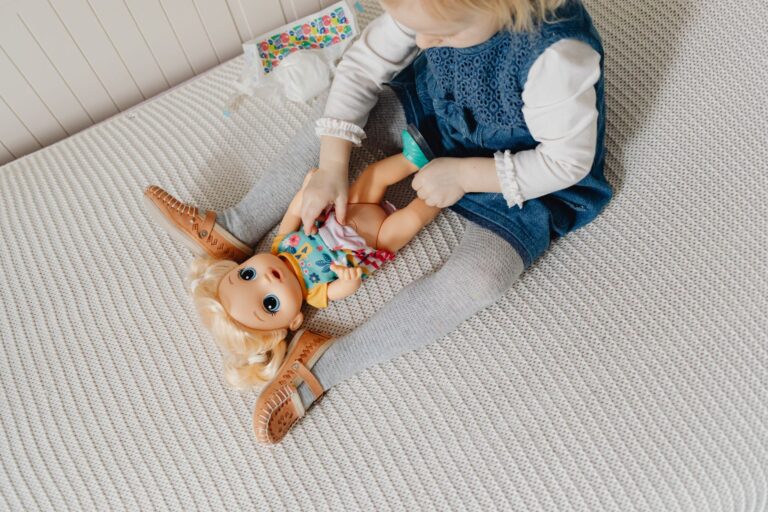
Voluntary cuddling, touching, comforting, or caring for a doll are strong signs that a person with dementia enjoys doll therapy. Becoming calmer, less restless, or more communicative while the doll is present also suggests a positive response. Doll therapy means offering a lifelike doll for comfort, companionship, or nurturing activity. Enjoyment varies by person, so watch the individual's behavior instead of assuming the doll will help.
Medical information disclaimer: This article is for general educational purposes only and does not provide medical advice, diagnosis, or treatment. Always consult a physician or other qualified health professional about symptoms, medications, tests, or treatment decisions.
Table of Contents
- Look for voluntary interest and caring
- Watch for changes in mood and behavior
- Notice communication and social connection
- Distinguish attachment from distress
- Know when to stop offering the doll
Look for voluntary interest and caring
The clearest sign is willing engagement. The person may reach for the doll, hold it close, study its features, clean it, adjust its clothing, or wash its clothes. These actions matter because they show active interest rather than tolerance.
The Alzheimer's Society activities handbook identifies holding, touching, and caring for a doll as meaningful forms of engagement. Notice whether the person returns to the doll without prompting. Repeatedly seeking it out may suggest that the experience remains comforting or purposeful.
Watch for changes in mood and behavior
Compare the person's behavior before and after offering the doll. Possible signs of benefit include: A randomized trial involving 52 nursing-home residents found improvements in agitation, aggressiveness, wandering, apathy, and dysphoria, or persistent unhappiness, after doll therapy. However, such changes do not prove that every person will respond similarly, as reported in BMC Geriatrics.
- A calmer facial expression or posture
- Less pacing, fidgeting, or wandering
- Less frustration, anxiety, or distress
- Fewer agitated or aggressive reactions
- Greater alertness or interest
Notice communication and social connection
Enjoyment may appear through conversation. A person might speak to the doll, describe what it needs, tell others about it, or respond more readily when someone joins the activity. Improved interaction with people also counts.
Becoming friendlier, more talkative, or less withdrawn can indicate that the doll is supporting wellbeing. Dementia UK notes that some withdrawn, restless, distressed, or anxious people communicate better while holding or spending time with a doll. Do not judge enjoyment only by words. Someone with limited speech may communicate through sustained attention, relaxed muscles, gentle touch, or resistance when the doll is removed.
Distinguish attachment from distress
A strong attachment can show that the doll feels important. The person may keep it nearby, check on it frequently, or object when someone else handles it. Respect that attachment by asking before moving or touching the doll.
Avoid teasing, grabbing it, or treating it as an unimportant toy. Distress caused by another person taking the doll does not necessarily mean the therapy itself is unwelcome. The key comparison is how the person behaves with the doll under their control. Calm caregiving and contented attention suggest enjoyment; persistent worry about the doll's safety or needs may require closer observation.
Know when to stop offering the doll
Ignoring the doll once does not establish a firm preference, but repeated indifference gives little evidence of benefit. Pushing it away, refusing it, or becoming more agitated or aggressive are clearer signs to stop. Offer the doll without pressure and allow the person to decide whether to interact.
If reactions vary, note the setting, timing, and behavior before, during, and after each offer. Evidence remains limited. A 2022 systematic review found only seven eligible studies involving 295 participants and called for larger, more rigorous trials, according to Healthcare. Doll therapy may help some people with dementia, but a person's voluntary and consistently positive response is the practical test.