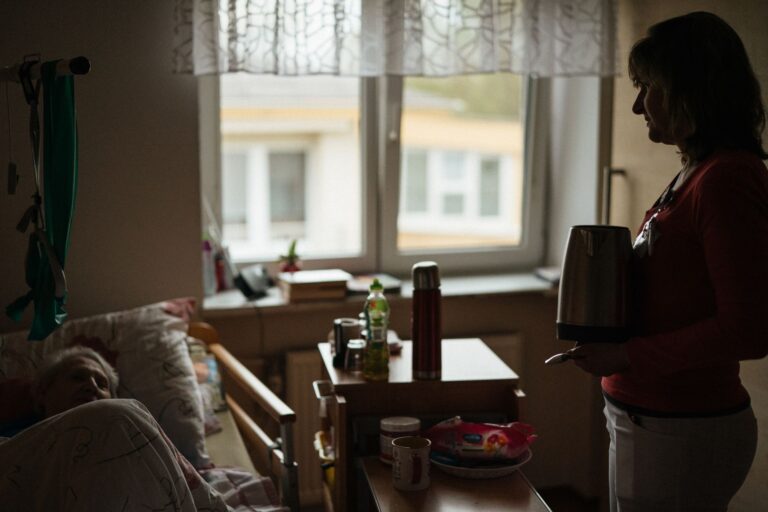
The dementia caregiver who is everyone's backup often becomes the family's single point of failure. Yet "no backup" is not a nationally measured caregiver category; it describes a real vulnerability reflected in long care periods and high caregiver strain. An unpaid dementia caregiver is a relative or friend who helps without receiving professional wages. This person may manage supervision, daily care, appointments, household needs, and family emergencies while having no one ready to replace them.
Medical information disclaimer: This article is for general educational purposes only and does not provide medical advice, diagnosis, or treatment. Always consult a physician or other qualified health professional about symptoms, medications, tests, or treatment decisions.
Table of Contents
- Why care falls on one person
- What having no backup means
- Why waiting for a crisis is risky
- Build a Plan B that another person can use
- Look for support without mistaking it for full coverage
Why care falls on one person
About 80% of U.S. adults with Alzheimer's disease and related dementias receive care at home, according to the Centers for Disease Control and Prevention. Family and friends therefore form the usual day-to-day care system.
That responsibility often concentrates in a close relative. Two-thirds of dementia caregivers are women, more than one-third are daughters, and 66% live with the person receiving care, according to the Alzheimer's Association. Nearly one-quarter also care for an aging parent and at least one child. When relatives need help, this "sandwich generation" caregiver may be the default responder in both directions.
What having no backup means
Backup is more than someone who occasionally buys groceries or visits. A workable substitute must know the person's routines, needs, contacts, and likely reactions—and be willing and able to take responsibility.
A caregiver may have supportive relatives but still lack operational backup. Offers such as "call if you need anything" do not answer who will arrive, what that person can handle, or how long they can stay. Test the situation with concrete questions: Unanswered questions reveal gaps that goodwill alone cannot fill.
- Who can take over for several hours with little notice?
- Who can cover an overnight absence?
- Who knows the daily routine and essential contacts?
- Who can assume care if the primary caregiver becomes unavailable for days?
- What tasks require outside help because no relative can do them safely?
Why waiting for a crisis is risky
Dementia care is often sustained work. Nearly one in three family caregivers provides care for four years or longer, so temporary arrangements can quietly become the permanent system. The pressure has measurable consequences. Fifty-nine percent of dementia caregivers report high or very high emotional stress, while the CDC identifies greater risks of anxiety, depression, and poorer quality of life than among other caregivers.
Physical capacity also matters. Dementia caregivers are 1.5 times as likely as caregivers of people without dementia to report substantial physical difficulty providing care, according to the National Institute on Aging. A plan that depends on one person remaining continuously available and physically capable has no margin for illness, injury, or exhaustion. Warning signs include missed personal appointments, no uninterrupted sleep or time away, and feeling unable to become sick. These signs call for a backup plan, not proof that the caregiver has failed.
Build a Plan B that another person can use
The National Institute on Aging warns that Alzheimer's care often exceeds what one person can provide. It recommends identifying who would assume care if the caregiver could not continue—a practical "Plan B." Start with a short handoff document and keep it where the designated backup can find it.
Include only the information needed to maintain care and reach the right people: Then rehearse a small handoff. Let the backup cover a routine period while the primary caregiver remains reachable. The exercise can expose missing instructions, unrealistic expectations, or tasks that require another solution.
- The person's usual schedule, preferences, and common sources of distress
- Essential contacts and each person's agreed role
- The location of necessary care information and supplies
- Tasks the backup can perform and tasks requiring additional help
- A first-night plan and a longer-absence plan
Look for support without mistaking it for full coverage
Ask relatives for defined commitments: Tuesday dinner, one Saturday morning, appointment transportation, or emergency overnight coverage. Specific shifts make it easier to see whether the care network is dependable. Some eligible families may receive support through Medicare's voluntary GUIDE model.
Participating programs can offer caregiver education, navigation, a 24/7 support line, and up to $2,500 a year in respite reimbursement, according to the Centers for Medicare & Medicaid Services. GUIDE is not universal backup. Access depends on a qualifying person receiving care and a participating program. Confirm both before counting its services or respite allowance in the care plan.