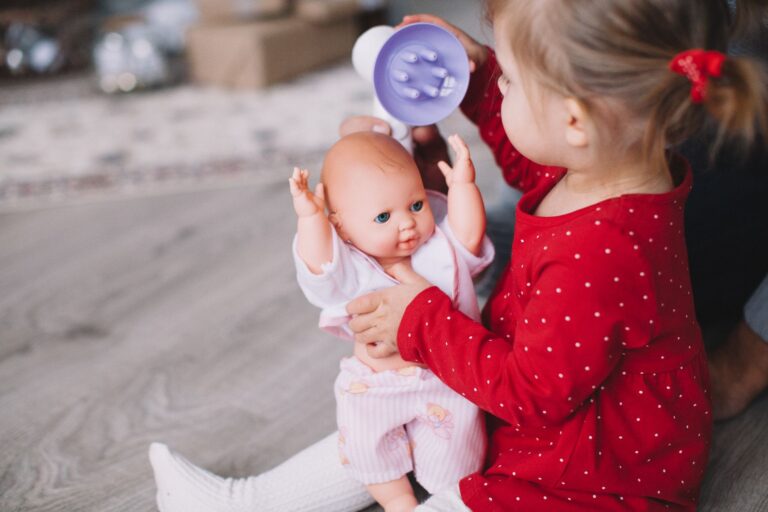
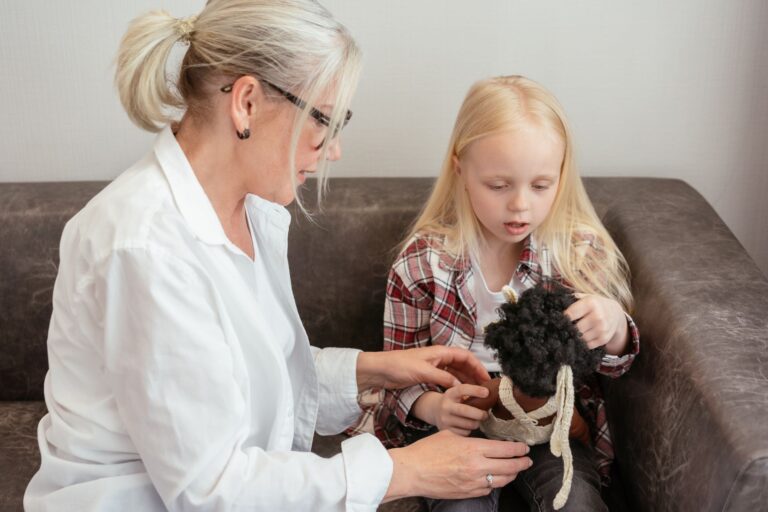
Doll therapy is a comfort-focused activity in which a person with dementia is offered a lifelike doll or soft toy animal. Caregivers can try it step by step by offering a suitable object without pressure, following the person's response, encouraging connection, and protecting daily routines. This approach may help someone who is withdrawn, restless, distressed, or anxious, but it is not simply "playing with a toy." It will not suit everyone, and its value should be judged by the individual's comfort rather than by whether they use the doll as expected.
Medical information disclaimer: This article is for general educational purposes only and does not provide medical advice, diagnosis, or treatment. Always consult a physician or other qualified health professional about symptoms, medications, tests, or treatment decisions.
Table of Contents
- Decide whether doll therapy is worth trying
- Let the person guide the choice
- Encourage connection without directing the play
- Protect meals, sleep, hygiene, and emotional safety
- Judge results person by person
Decide whether doll therapy is worth trying
Look for a need that the activity might meet. A doll or soft animal may be worth offering when a person seems anxious, unsettled, isolated, or interested in nurturing and companionship. Treat the idea as a trial, not a prescribed activity.
Dementia UK advises presenting the object as optional and stopping rather than pressing if the person shows no interest. before proceeding, watch for the person's immediate reaction: Interest is an invitation to continue. Indifference or discomfort is a reason to put the object aside and consider another activity.
- Interest: looking closely, reaching out, smiling, speaking, or settling
- Indifference: briefly noticing the object and then turning away
- Discomfort: becoming tense, upset, suspicious, or more restless
Let the person guide the choice
Offer a small choice when possible, such as a doll and a soft toy animal. Avoid deciding that a particular design should appeal because of the person's age, gender, or family history. Colour, texture, facial features, weight, and clothing can all shape the response. The Alzheimer's Society activities handbook recommends letting the person choose where possible, then tailoring the object to what they appear to enjoy.
Introduce it naturally and without a test. Place it where the person can see it, or say, "I thought you might like to see this." Do not insist that they hold it, name it, or explain what it is. Their response may also change from day to day. A doll that brings comfort at one time may be unwelcome at another, so continue asking through observation rather than assuming permanent acceptance.
Encourage connection without directing the play
Once the person engages, follow their lead. They may hold the doll, stroke the animal, talk to it, carry it, or simply keep it nearby. Gentle comments can open conversation without demanding an answer: The activity may prompt communication, pleasant memories, or a sense of purpose through caring actions. Avoid turning it into a memory quiz or correcting details when the person tells a story.
If they treat the doll as a real baby or the animal as alive, do not confront that belief in the moment. Correction may cause distress. Respond to the emotion or practical request instead: "You want to make sure the baby is comfortable. Shall we find a blanket?".
- "That blanket feels soft."
- "You're holding it very carefully."
- "Would you like it to sit beside you?"
- "What do you notice about it?"
Protect meals, sleep, hygiene, and emotional safety
Attachment can become strong enough to interfere with the person's own needs. Someone might give the doll their food, surrender their bed, or resist washing because they do not want to leave it. Use simple boundaries that preserve comfort: Family members and care staff should know that the object matters to the person.
Handle it respectfully, even when the person is not present. In shared settings, avoid passing one doll between residents if ownership causes tension. Plan how it will be cleaned and what will happen if it is misplaced; Dementia UK suggests private access when needed and an identical spare for possible loss.
- Keep the doll out of sight during meals if the person tries to feed it.
- Use it mainly during the day if it disrupts sleep.
- Arrange a safe place for it during bathing or personal care.
- Pause the activity if it increases worry, vigilance, or distress.
Judge results person by person
Look for practical changes rather than expecting a cure. Useful signs may include calmer periods, more conversation, pleasant engagement, or less caregiver distress. Also record unwanted effects, including agitation, disrupted routines, or anxiety about the doll. Research supports cautious experimentation, not a guarantee. A 2022 randomized trial involving 134 women with moderate-to-severe dementia reported fewer neuropsychiatric symptoms and less professional-caregiver distress after 30 days than with a cube control.
It found no change in measured stress biomarkers. The broader evidence has important limits. A 2022 systematic review of seven studies found promising improvements in mood, communication, and disruptive behaviour, but noted small samples, limited blinding, and little follow-up. A separate pilot trial of 35 care-home residents found no significant improvement in anxiety, agitation, or aggression after three weeks. Keep using the activity only while its benefits outweigh its problems for that person. If the person repeatedly ignores it or becomes distressed, remove it without argument and try a different source of comfort or engagement.