The best dementia-care book depends on the reader's needs, the type and stage of dementia, and whether the information is current. For September 2026, *The 36-Hour Day*, eighth edition, is a broad family-care guide, while free government materials offer practical alternatives. Dementia is an umbrella term for conditions that impair memory, thinking, or daily functioning. It includes Alzheimer's, Lewy body, frontotemporal, and vascular dementia, so no single book fits every situation.
Medical information disclaimer: This article is for general educational purposes only and does not provide medical advice, diagnosis, or treatment. Always consult a physician or other qualified health professional about symptoms, medications, tests, or treatment decisions.
Table of Contents
- How should I choose a dementia-care book?
- Is *The 36-Hour Day* still a useful starting point?
- Do I need to buy a book?
- Can books help the person living with dementia?
- What can a dementia-care book not do?
How should I choose a dementia-care book?
Start with the problem you need to solve. A comprehensive guide may help someone adjusting to a diagnosis, while a focused resource may be more useful for communication, activities, home care, or caregiver strain.
Check these points before buying or borrowing: The National Institute on Aging explains that dementia has several forms and that similar symptoms can arise from other health problems. This makes diagnosis-specific information more useful than advice that treats every memory problem alike.
- Does the book discuss the diagnosed or suspected type of dementia?
- Does it address the person's current abilities and care stage?
- Is the edition recent enough for medical and service information?
- Can you find specific advice quickly during a difficult moment?
- Does it distinguish general education from individualized medical guidance?
Is *The 36-Hour Day* still a useful starting point?
It remains a practical general reference for many families. Johns Hopkins University Press identifies the current version as the eighth edition, published September 16, 2025, with 472 pages covering alzheimer disease, other dementias, memory loss, and care from early through late stages in its edition details. The eighth edition is the better choice when current clinical or service information matters.
According to Johns Hopkins University Press, it updates diagnostic methods, medications, prevention information, home-care resources, and caregiver-burnout guidance. An older edition may still contain useful explanations of daily care. However, readers should verify sections about diagnosis, treatment, and available services against newer medical or government information.
Do I need to buy a book?
No. A commercial book can provide a coherent, book-length guide, but it is not the only reliable option. The national Institute on Aging offers free, evidence-reviewed caregiving materials.
Its caregiving toolkit includes publications that readers can download or order, including *Caring for a Person With Alzheimer's Disease*. A practical approach is to combine one broad guide with shorter resources for immediate needs. For example, keep a book for planning and use a concise handout when preparing for a medical appointment or changing a daily routine.
Can books help the person living with dementia?
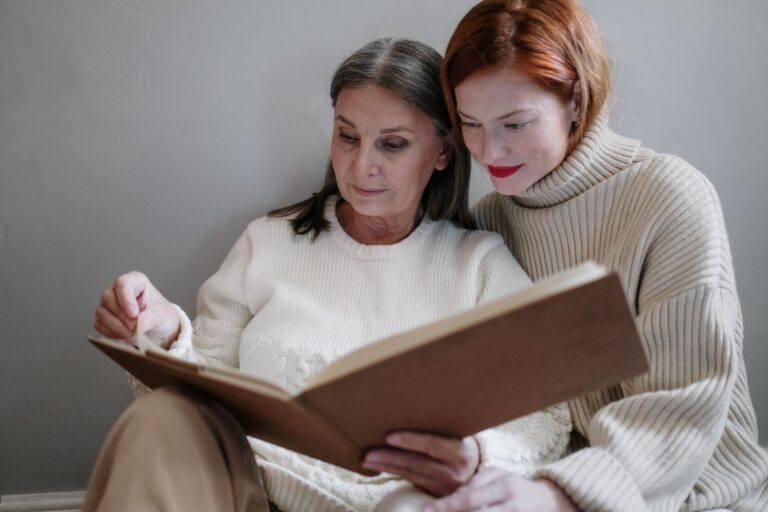
Sometimes, but success depends less on the book's reading level than on the person's remaining abilities and enjoyment. A familiar picture book, poetry collection, devotional work, or short passage may be easier to engage with than a long narrative.
The National Institute on Aging advises caregivers to adapt activities, help the person get started, watch for frustration, and allow observation when participation is not enjoyable. Apply that guidance to reading: When discussing what was read, use simple wording and one idea at a time. Address the person directly, and rephrase a question instead of repeating it faster or louder.
- Offer one short passage or a few images at a time.
- Introduce the activity without turning it into a test.
- Read aloud or begin the first sentence if starting is difficult.
- Stop, simplify, or switch activities when frustration appears.
- Let listening or looking count as participation.
What can a dementia-care book not do?
A book cannot diagnose dementia. The National Institute on Aging notes that medication effects, vitamin deficiencies, thyroid problems, kidney or liver disorders, tumors, and other conditions can resemble dementia, which is why memory symptoms require clinical assessment. A book also cannot prescribe treatment or promise a cure. No book, supplement, or other intervention cures Alzheimer's disease.
Medicines may manage symptoms or treat the progression of early Alzheimer's, but treatment decisions require an individualized discussion with a clinician. Education can still matter. A 2025 meta-analysis covering 40 caregiver trials and 4,336 participants found that dementia-literacy interventions improved knowledge and reduced caregiver burden. However, substantial differences among the studies and risks of bias mean the findings do not prove that reading a book alone produces those benefits, as the PubMed record for the review makes clear.