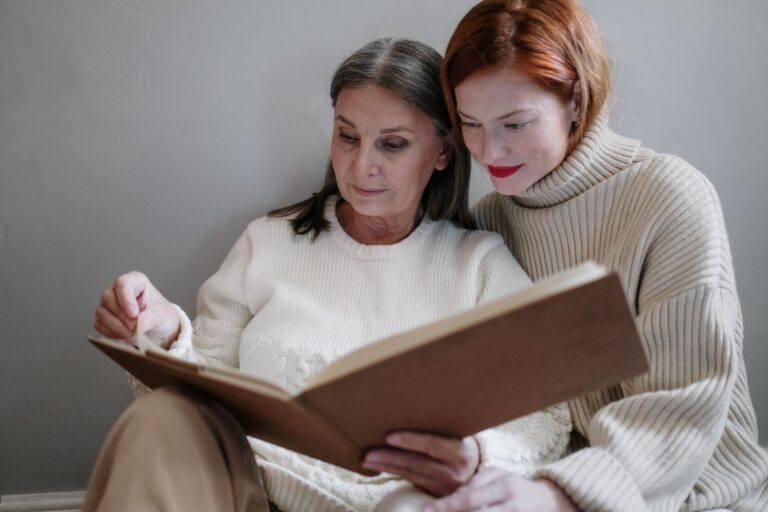
Books for dementia care are reading materials used for information or enjoyment, not treatments that stop or reverse dementia. Choose them for present abilities, use accessible formats when needed, and reject claims that reading can cure, prevent, or reverse the condition. Reading may support engagement and quality of life, but the evidence remains limited. A useful book is one the person can access, enjoy, and leave without distress or pressure.
Medical information disclaimer: This article is for general educational purposes only and does not provide medical advice, diagnosis, or treatment. Always consult a physician or other qualified health professional about symptoms, medications, tests, or treatment decisions.
Table of Contents
- What can reading realistically offer?
- How should you choose a book or format?
- When should a reading session stop?
- Where can accessible books be found?
- What safety questions should you ask?
What can reading realistically offer?
The national Institute on Aging identifies reading as an enjoyable activity that may improve quality of life for people with dementia. This supports reading for interest, comfort, and connection—not as disease-modifying care. The evidence does not justify stronger promises.
A 2014 systematic review indexed by PubMed found only 12 eligible reading-intervention studies across neurological conditions. The studies had small, varied samples and included no randomized trials. A separate 2019 review included reading among cognitive-leisure activities but called for more high-quality research. Its findings cannot establish that reading prevents dementia.
How should you choose a book or format?
Start with the person's present abilities and enjoyment, not a former reading level or someone else's diagnosis. NHS guidance says book clubs can support involvement, while later-stage activities may require simpler, more sensory formats.
Test the experience rather than assuming a format will work: Preferences and abilities may change. A book that worked previously may now need shorter sessions, a different format, or replacement with another activity.
- Can the person comfortably see or hear the material?
- Is the subject familiar or appealing?
- Can they follow a short passage without visible strain?
- Would audio work better than standard print?
- Does shared reading feel enjoyable rather than demanding?
When should a reading session stop?
Reading belongs in a flexible routine. The Alzheimer's Association advises caregivers to change or pause intellectual activities when the person becomes bored, distracted, or irritable, and to preserve rest breaks. Watch the person's response instead of trying to finish a chapter or meet a schedule.
Boredom, distraction, or irritability are reasons to pause, shorten the session, or try something else. Success does not require remembering the text afterward. The practical goal is an activity the person can enjoy or engage with in the moment.
Where can accessible books be found?
In the United States, the Library of Congress National Library Service provides free braille and audio books by download or mail. Eligibility covers residents or citizens whose visual, physical, perceptual, or reading disability prevents them from using standard print. In England, NHS guidance on dementia support says Reading Well dementia titles can be recommended by clinicians and borrowed free through local libraries.
The collection is available to people with dementia, relatives, carers, and readers seeking information. Before buying a book, ask a local library whether it offers audio, braille, simplified, or other accessible formats. United States readers who cannot use standard print can also check National Library Service eligibility.
What safety questions should you ask?
The main warning sign is a book-linked product or program that promises to cure, prevent, stop, or reverse dementia. The FDA warns about unproven Alzheimer's products because they may be ineffective, unsafe, interact with medicines, or delay appropriate care.
Before paying or enrolling, ask: No cure or treatment has been shown to stop or reverse Alzheimer's progression, according to the FDA. A book should therefore be judged by accessibility, enjoyment, and usefulness—not by an unsupported medical promise.
- Does the seller promise a medical result from reading?
- Is a supplement, device, or paid program bundled with the book?
- Does the claim encourage delaying or replacing appropriate care?
- Is the material presented as engagement or education, or as a supposed treatment?
- Can the person try a library or accessible-format copy first?
You Might Also Like
- Toys for Dementia Care 2026 Guide: safety, access, and evidence limits; Key Facts and Questions to Ask
- Blog News for Dementia Care 2026 Guide: safety, access, and evidence limits; Key Facts and Questions to Ask
- What Is New With Books for Dementia Care in September 2026? Latest FDA, NIH, WHO, and CMS sources and Key Takeaways