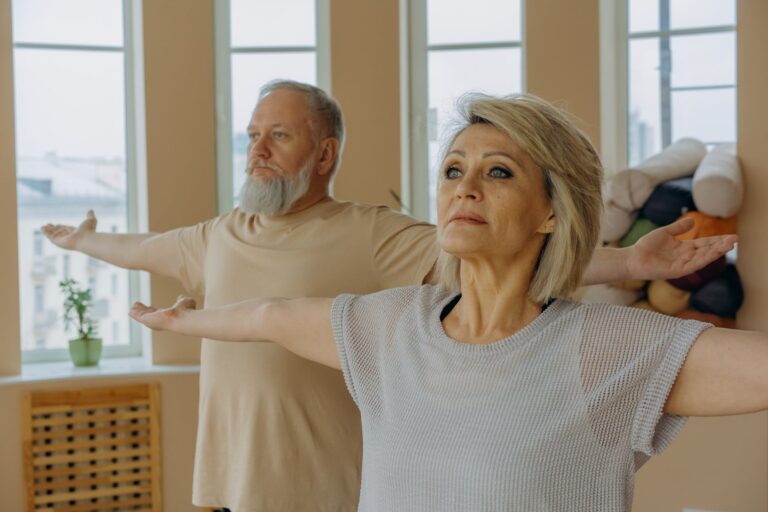
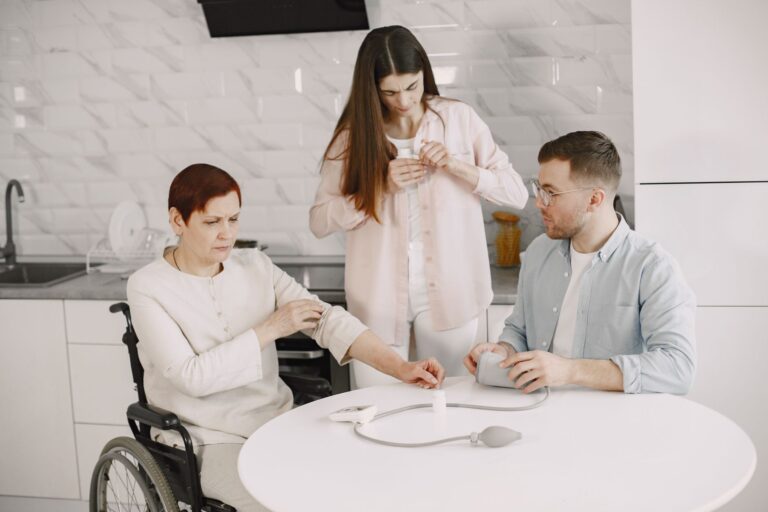
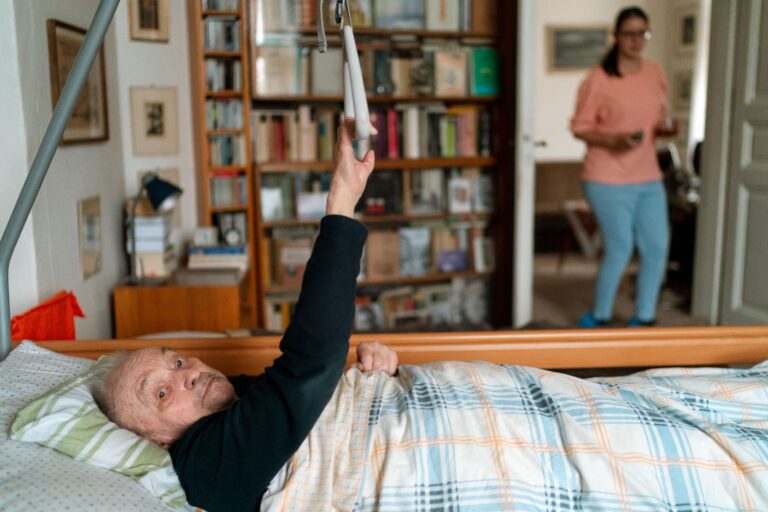
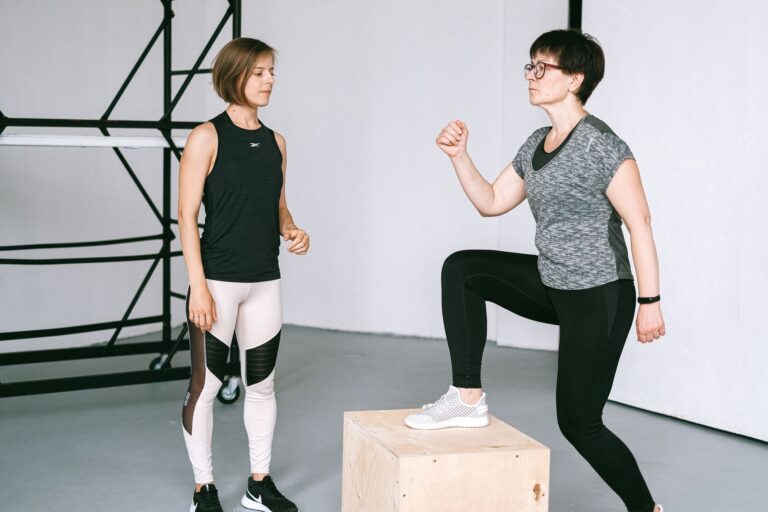
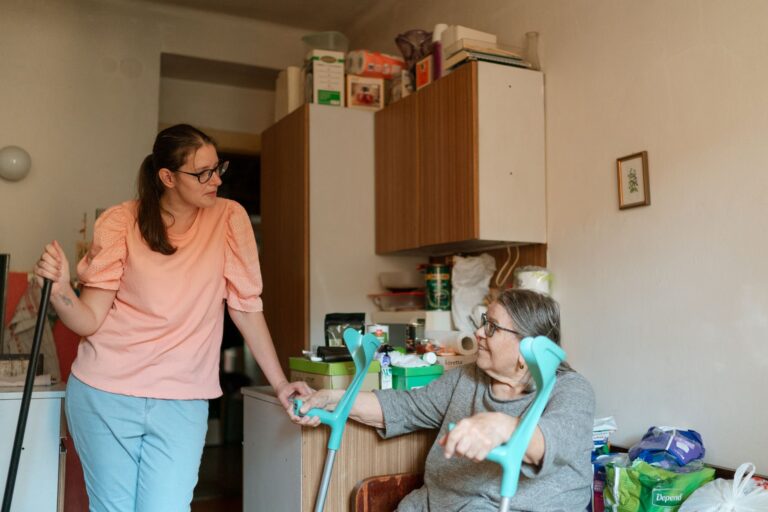
Yes—simple strength exercises may help some people with moderate dementia maintain specific physical abilities, especially within a supervised, tailored program. But for advanced dementia, research does not establish that strength work alone improves cognition, behavior, quality of life, or independence. Strength exercise means movement that makes muscles work against resistance, such as rising from a chair. The clearest evidence supports combining it with walking, balance, flexibility, or daily-activity practice.
Medical information disclaimer: This article is for general educational purposes only and does not provide medical advice, diagnosis, or treatment. Always consult a physician or other qualified health professional about symptoms, medications, tests, or treatment decisions.
Table of Contents
- Decide what "work" should mean
- What benefits have studies found?
- Why dementia severity changes the answer
- Build a practical, safer plan
Decide what "work" should mean
Exercise can succeed without changing dementia itself. A useful result might be steadier balance, faster walking, stronger grip, or slower loss of a familiar daily activity. Those outcomes should not be confused with better memory, fewer behavioral symptoms, or improved mood.
Studies have produced some physical gains while finding no broader effect on dementia-related symptoms. The World Health Organization's 2023 evidence review recommends physical exercise three to four times weekly for 30 to 45 minutes, for longer than 12 weeks. That is a general activity recommendation, not proof that strength exercises improve cognition.
What benefits have studies found?
A 2007 Journal of the American Geriatrics Society randomized trial followed 134 ambulatory nursing-home residents with mild-to-severe Alzheimer's disease. Twice-weekly sessions combined walking, strength, balance, and flexibility for one hour. Over 12 months, the program slowed decline in daily activities and improved six-metre walking speed. It did not improve behavioral disturbance, depression, or nutritional status.
A separate 2015 Clinical Interventions in Aging trial studied 170 nursing-home residents with dementia. Twelve weeks of twice-weekly strengthening and balance sessions improved balance more than leisure activities. Participants attending at least 12 sessions also showed improved strength. These findings support structured activity, but they cannot isolate the effect of simple strength work. Every positive program paired strengthening with balance or other forms of movement.
Why dementia severity changes the answer
Evidence becomes less certain as impairment increases. Many participants in exercise trials could still walk, follow a structured session, or complete testing, so their results may not apply to someone with advanced dementia. In a 2018 nursing-home study published in Dementia and Geriatric Cognitive Disorders Extra, exercise improved only grip strength among residents with mild-to-moderate impairment.
For residents with moderately severe dementia, daily-activity training—not exercise alone—produced benefits. The researchers considered the effectiveness of exercise unclear. Intensity does not guarantee better results. The 494-person DAPA randomized trial reported in the BMJ found that four months of moderate-to-high-intensity aerobic and strength training improved walking fitness but not cognition, daily living, behavior, or quality of life in mild-to-moderate dementia.
Build a practical, safer plan
Start with one concrete goal that matters in daily care. Examples include standing with assistance, walking a short familiar route, or retaining enough strength to help during a transfer. A workable approach is to: Progression and health screening matter.
In DAPA, 23 of 329 exercise participants had exercise-related adverse events, including exercise-induced angina, two injurious falls, and worsening hip pain. End the session and seek medical guidance after chest pain, an injurious fall, or worsening pain. For advanced dementia, prioritize comfortable, assisted movement and a realistic physical goal rather than expecting strength work to change the disease.
- Ask a clinician whether exercise is appropriate before starting or increasing difficulty.
- Choose familiar movements matched to the person's present abilities.
- Provide caregiver assistance, demonstrations, and simple cues.
- Use several short sessions if one longer session is unrealistic.
- Track one observable result, such as chair rises completed or assistance needed.