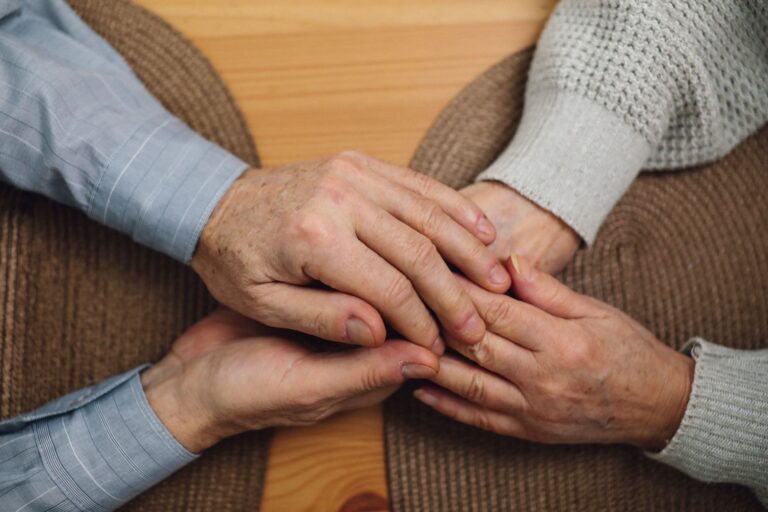
Families preserve woodworking projects by recording each piece's story, photographing its details, and storing it where humidity and light will cause less damage. They can also involve the woodworker in brief conversations and safe, supervised tasks before Alzheimer's makes recognition and multistep work harder. The timing differs for every person, and memory problems alone do not confirm Alzheimer's. Preservation cannot stop memory loss, but it can protect the objects, voices, names, and decisions that give each project meaning.
Medical information disclaimer: This article is for general educational purposes only and does not provide medical advice, diagnosis, or treatment. Always consult a physician or other qualified health professional about symptoms, medications, tests, or treatment decisions.
Table of Contents
- Start documenting without assuming a diagnosis
- Let each object prompt the conversation
- Build a record that can travel with the piece
- Protect wood from humidity and light
- Keep workshop participation safe
Start documenting without assuming a diagnosis
Alzheimer's slowly damages memory and thinking. In the moderate stage, a person may have trouble recognizing family or completing multistep tasks, according to the National Institute on Aging's Alzheimer's disease fact sheet. Still, forgetfulness does not establish an Alzheimer's diagnosis.
Some people have mild cognitive impairment without disruption to daily life, and potentially treatable conditions can produce similar symptoms. New or worsening memory problems deserve a medical evaluation. families do not need to wait for a diagnosis before recording woodworking stories. If an evaluation does confirm early Alzheimer's, the National Institute on Aging says that early knowledge provides time to address legal, financial, safety, housing, and support decisions in its guidance on legal and financial planning.
Let each object prompt the conversation
Place one familiar project in view and ask about it. The Library of Congress notes that sharing family artifacts can spark conversations relatives may want to record in its family preservation guidance.
use specific, open prompts instead of testing the person's memory: Record audio or video with permission, and keep sessions manageable. If two accounts conflict or a detail remains uncertain, preserve both versions and mark the uncertainty rather than presenting a guess as fact.
- What kind of wood did you use?
- Who was this made for?
- Which part was most difficult?
- Did anyone help design or build it?
- Where was it first used?
Build a record that can travel with the piece
Provenance means the documented history of an object: who made it, who owned it, where it has been, and why it matters. The Smithsonian uses such information to understand an object's ownership, history, and significance.
Create one paper or digital record for each project. Include: Give the record a unique identifier, such as "Table-01," and place the same identifier in the photo filenames and recordings. Keep copies with more than one trusted family member so the story does not become separated from the object.
- The maker's full name
- The project's name or plain description
- Approximate completion date
- Wood species, finish, and construction details, if known
- Original recipient or purpose
Protect wood from humidity and light
For valuable wooden projects, the National Park Service recommends a stable environment near 50% relative humidity, with a variation of about five percentage points. Its wood-object preservation guidance warns that levels below 30% can loosen joints and make finishes brittle, while levels above 70% can encourage mold and insects.
Choose a room with relatively stable conditions and monitor humidity near the object. Limit natural and artificial light because both can change the wood's color, fade stains, and weaken finishes. Photograph the existing condition before repairing, sanding, or refinishing a significant piece.
Keep workshop participation safe
A diagnosis does not automatically end every connection to woodworking. The appropriate activity depends on the person's current judgment, coordination, attention, and need for supervision. The Alzheimer's Association recommends removing hazardous tools and materials while allowing a supervised activity such as sanding wood to remain available.
Families can prepare a small work area with only the materials needed for that session and handle tool setup themselves. Treat participation as an enjoyable activity, not a test or production deadline. Stop the session if the person becomes tired, confused, or unsafe, and never leave hazardous tools accessible between sessions.