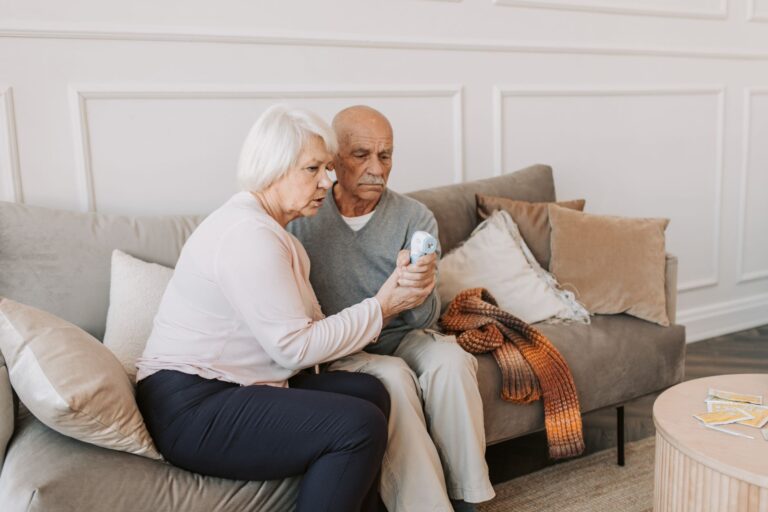
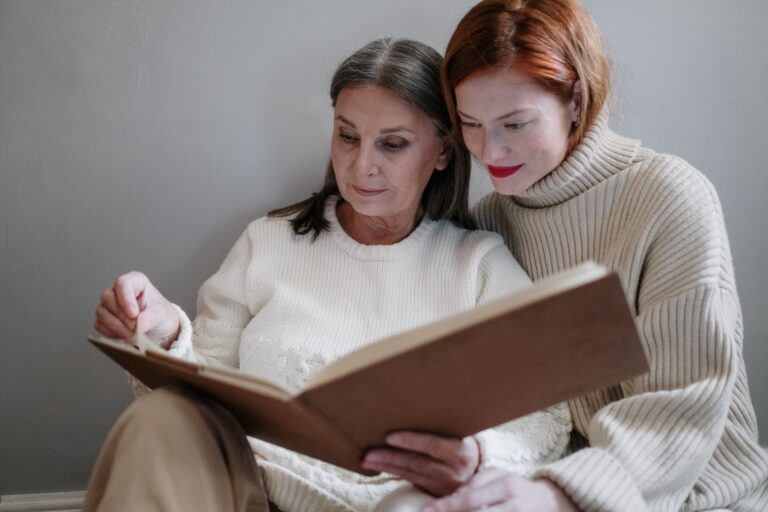
Your spouse with dementia may struggle to recognize you after a difficult afternoon or evening—not because they've forgotten you, but because confusion intensifies when energy dips and cognitive retrieval becomes harder. A phenomenon called sundowning—increased confusion and agitation in late afternoon and evening hours—occurs in mid-to-late dementia and can temporarily prevent them from accessing the memory of who you are, even though that memory exists beneath the surface.
This is more common than you might think, and the intermittent nature of non-recognition is part of how dementia unfolds. What matters now is understanding that recognition and connection are not the same thing, and that emotional bonds can persist even after cognitive identification fails. You have concrete ways to reconnect across that gap.
Medical information disclaimer: This article is for general educational purposes only and does not provide medical advice, diagnosis, or treatment. Always consult a physician or other qualified health professional about symptoms, medications, tests, or treatment decisions.
Table of Contents
- Why Recognition Fails After Difficult Days
- Emotional Memory Outlasts Cognitive Recognition
- Reconnection Through Validation and Presence
- Building a Calmer Environment
- What Connection Means Now
- Frequently Asked Questions
Why Recognition Fails After Difficult Days
Sundowning creates recognition challenges during vulnerable late-day hours when confusion and agitation peak. But the deeper issue is how memory itself breaks down. Recognition fails due to memory retrieval problems, not erasure—the brain cannot access stored information about your identity even though traces may exist in long-term memory.
Think of it like a filing system where the file exists but the person cannot locate the drawer. Family member recognition typically persists much longer than other memory functions, and intermittent non-recognition—where they sometimes remember and sometimes don't—is common and reflects the progressive nature of cognitive decline. On difficult days when fatigue and confusion compound, retrieval becomes harder. This is temporary within the day, even if the underlying condition progresses over months and years.
Emotional Memory Outlasts Cognitive Recognition
Here is the critical distinction: even when someone with dementia cannot identify your name or face, they often retain the ability to feel safe and emotionally comfortable in your presence, because emotional memory remains intact longer than factual memory. Your presence may trigger recognition as familiarity, warmth, or safety before it triggers cognitive identification. One common reason for non-recognition is appearance mismatch.
The person may be recalling you from decades earlier when you looked different; if your current appearance no longer matches the stored memory—graying hair, different clothing, aging—they may not recognize you despite the emotional bond remaining. This is not rejection. It reflects how visual memory retrieval works differently than emotional recognition.
Reconnection Through Validation and Presence
When recognition fails after a difficult day, correction rarely helps. Validation reconnection—entering the person's current reality and acknowledging their emotional experience without correcting factual errors—builds trust and emotional safety more effectively than attempting to restore cognitive clarity.
Instead of "I'm your spouse, don't you remember me?", try presence-based connection: gentle touch, calm tone, familiar activity, or simply sitting together. After a difficult day, individuals with dementia respond to emotional cues—tone, touch, eye contact, and body language—long after struggling with words or faces, because emotional memory is processed differently than cognitive memory. You are not trying to force recognition; you are offering safety.
Building a Calmer Environment
Creating predictable routines and minimizing environmental triggers significantly improves interaction quality and reduces late-day confusion; a settled environment supports whatever recognition capacity remains available. Simple practices make a measurable difference: These are not cures for dementia, but they clear the noise that makes retrieval harder.
- Dim harsh lighting and reduce noise in the late afternoon
- Maintain consistent meal and activity times
- Prepare yourself for sundowning so your own stress does not amplify theirs
- Avoid sudden changes or unfamiliar situations when energy is lowest
What Connection Means Now
Emotional connection can outlast cognitive recognition—the feeling of safety, comfort, and familiarity can persist and deepen even after cognitive identification of identity fails, making continued gentle connection meaningful and valuable to both people. This reframing matters for your own wellbeing.
Your spouse may never say "I remember you" again, but they may relax when you enter the room, reach for your hand, or calm at the sound of your voice. That response is recognition too—not of your name or face, but of your presence as steady and safe in their world. The relationship has changed, but it has not ended.
Frequently Asked Questions
Is my spouse's non-recognition permanent?
Non-recognition can be intermittent, especially in the short term, and may worsen during sundowning or high-stress periods. Over time, as dementia progresses, recognition loss typically becomes more persistent, but this is a gradual process across months or years, not a sudden loss.
Does it mean they don't love me anymore?
No. Emotional memory and the feeling of safety and comfort persist even after cognitive recognition fades. Your spouse may not remember your name but may still respond to your presence with calm and trust.
Should I remind them who I am repeatedly?
Repeated correction rarely helps and often increases frustration. Instead, focus on validation—acknowledging their feelings—and presence-based connection through tone, touch, and familiar activities.
When does spouse recognition typically fade?
Family member recognition usually persists much longer than day-to-day memory, but timing varies by individual and dementia type. Sundowning may create temporary non-recognition in mid-to-late dementia stages before more persistent loss develops.