Yes—dancing with your spouse at home can reduce agitation and behavioral symptoms during Alzheimer's progression, while rebuilding emotional connection when spoken language becomes difficult. Research shows that Alzheimer's disease preserves musical and movement memory better than other cognitive abilities, allowing patients to engage through rhythm, familiar music, and movement even in moderate to advanced stages. The brain regions that store and respond to music and movement remain less affected by Alzheimer's damage than language centers, creating a pathway to shared experience, reduced anxiety, and improved mood when traditional communication breaks down.
Medical information disclaimer: This article is for general educational purposes only and does not provide medical advice, diagnosis, or treatment. Always consult a physician or other qualified health professional about symptoms, medications, tests, or treatment decisions.
Table of Contents
- How Your Brain Responds to Rhythm During Cognitive Decline
- What Dancing Changes—Behavioral and Emotional Benefits
- Starting at Home—What You Actually Need
- Tailoring to Your Spouse's Needs and Disease Stage
- How Dancing Helps You, the Caregiver
- Frequently Asked Questions
How Your Brain Responds to Rhythm During Cognitive Decline
Rhythm and familiar music activate brain areas involved in memory, emotion, and coordination even after verbal abilities decline. Research shows that rhythmic auditory cues can strengthen neural pathways and improve emotional regulation in people with Alzheimer's.
Long-term musical memory is preserved better than other cognitive abilities—patients can sing lyrics when speech becomes nearly impossible, because the brain region storing musical memories loses fewer neurons than surrounding tissue, according to research from the Max Planck Institute and Oxford Academic. This preservation of musical memory means your spouse can still respond to a favorite song or dance rhythm, even when they no longer recognize your name or remember events from last week.
What Dancing Changes—Behavioral and Emotional Benefits
A randomized controlled trial of 73 older adults with moderate dementia found dance and movement interventions significantly reduced agitation, aberrant motor behavior, and depression compared to standard care. Beyond symptom reduction, partnered dance sessions create shared positive experiences that bypass verbal decline—familiar music, shared movements, and gestures reconnect couples emotionally when language communication deteriorates. These improvements matter because agitation and behavioral changes are often more distressing to caregivers than memory loss itself. When dancing reduces these symptoms, it improves quality of life for both partners.
Starting at Home—What You Actually Need
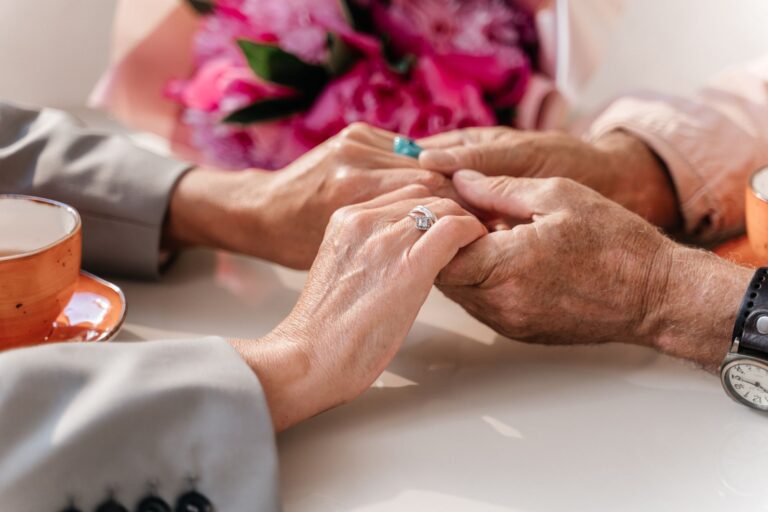
Dancing with your spouse requires no specialized equipment, instructor, or designated space. Put on familiar music—songs from your wedding, their favorite era, or any music that brought them joy—and move together in whatever way feels comfortable: swaying, gentle side-stepping, hand-holding while shifting weight, or even sitting together while moving arms and heads to the beat.
A 12-week dance therapy program for community-dwelling older adults with mild dementia showed lasting reduction in depression, loneliness, negative mood, and stress hormone levels. This suggests even brief, regular sessions at home—two to three times weekly—can create measurable improvements. The key is consistency and choosing music that connects to your spouse's personal history, not what you think is "good for them.".
Tailoring to Your Spouse's Needs and Disease Stage
Response to music and movement varies widely between individuals. While research documents cognitive and behavioral benefits in Alzheimer's populations, the intensity and type of response depends on disease stage, personal music preferences, current mobility, and individual brain differences. Someone in early-stage dementia may enjoy structured partner dancing; someone in later stages may respond better to gentle rocking and hand-holding while music plays.
Start by observing what music or movement brings visible calm or engagement—a softer expression, steadier breathing, reduced fidgeting. If agitation increases, pause and try different music, slower tempo, or less complex movements. There's no single "right" approach; the goal is to discover what works uniquely for your spouse.
How Dancing Helps You, the Caregiver
Caregiving for someone with Alzheimer's carries high rates of depression, anxiety, and isolation. Music and movement interventions improved agitation and anxiety in both Alzheimer's patients and their spouses, enhancing verbal and nonverbal communication through eye contact and social engagement. Dancing together is not just a behavioral intervention for your spouse—it's a moment of shared experience, physical activity, and emotional connection that directly improves your own mental health and relationship quality.
Frequently Asked Questions
How often should we dance?
Research on 12-week programs suggests benefits emerge from consistent sessions—ideally two to three times per week—though even once weekly can help. Start with shorter sessions (5–10 minutes) and extend as your spouse's engagement deepens.
What if my spouse doesn't want to dance?
Observe whether resistance is genuine or a response to how the activity was introduced. Try different music, times of day, or even just swaying without calling it "dancing." If agitation increases, stop and try again another time. Some people respond better to music and movement without verbal framing.
Will dancing cure or slow cognitive decline?
No. Dancing reduces behavioral symptoms like agitation and depression and improves emotional connection, but does not halt or reverse Alzheimer's progression. It addresses quality of life and relationship, not the underlying disease.
Should I feel guilty if we can't maintain a regular schedule?
No. Any session helps; consistency is ideal but irregular dancing still offers behavioral and emotional benefits. Caregiver burnout is real—do what feels sustainable rather than adding guilt-driven pressure.