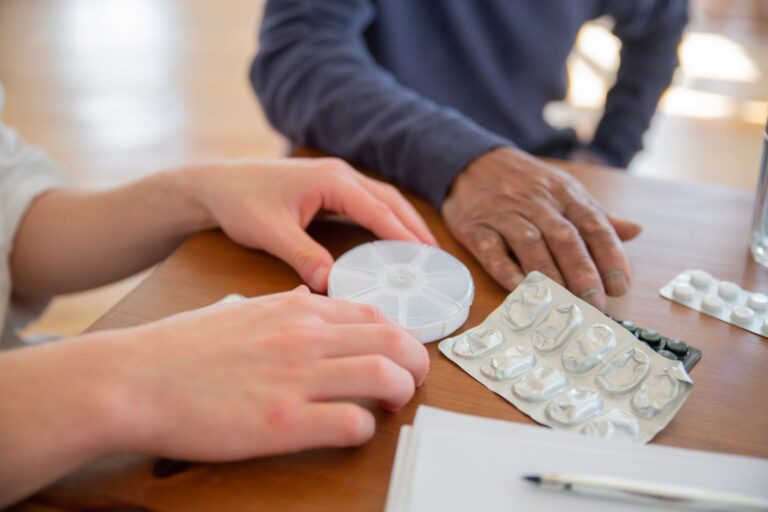
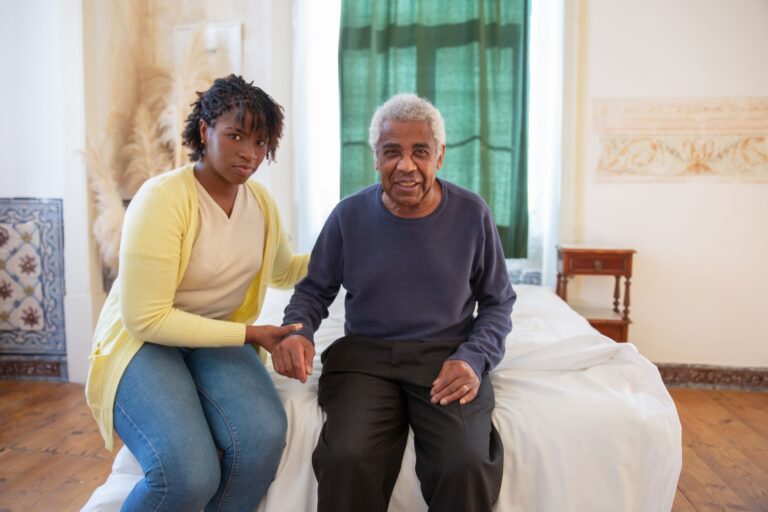
Families preserve wedding rings before Alzheimer's sets in by documenting their history, value, and meaning through written letters, photographs, voice recordings, and professional appraisals—steps that ensure the ring's story survives even when the wearer cannot transmit it. As Alzheimer's progresses, people in later stages may fail to recognize the significance of objects and even family members, making advance documentation the only way to preserve what a wedding ring means across generations. This guide walks through practical steps to protect one of a family's most treasured heirlooms—not just its replacement value, but the story it holds.
Medical information disclaimer: This article is for general educational purposes only and does not provide medical advice, diagnosis, or treatment. Always consult a physician or other qualified health professional about symptoms, medications, tests, or treatment decisions.
Table of Contents
- Understanding What Alzheimer's Takes
- Recording the Ring's Story and Origins
- Getting a Professional Appraisal
- Protecting the Ring Through Insurance
- Using the Ring as a Comfort During Memory Loss
- The Irreplaceable Value of Advance Planning
- Frequently Asked Questions
Understanding What Alzheimer's Takes
Alzheimer's disease progresses through three stages, with memory loss worsening gradually. In moderate to late stages, people forget personal history details and fail to recognize family members. A wedding ring—whether worn for 50 years or inherited—becomes a stranger's object, its inscription invisible, its origin untraceable in a mind losing its anchors.
This is why documentation matters most when the person wearing the ring still remembers why it matters. Once memories fade, no amount of telling the story afterward will return what was lost. The choice to preserve that knowledge now determines whether younger family members inherit a band of metal or a piece of family history.
Recording the Ring's Story and Origins
Start with whatever form captures the story most naturally for your family: a short letter written by the original wearer, a recorded voice memo, a photograph of the ring in its original setting, or a handwritten account of the wedding or moment the ring was purchased. Families preserve heirlooms through short letters explaining origin, dated photographs, recorded voice memos, and personal letters detailing history.
These methods work best when done together—a photograph shows condition and design, while a letter or recording captures the feeling and context. Store these documents with the ring or in a safe deposit box; keep copies with your will or estate documents. Include details like the wedding date, the jeweler's name, inscriptions on the inside, any repairs or resizing over the decades, and what the ring meant to its original owner.
Getting a Professional Appraisal
Professional wedding ring appraisals cost between $50 and $200 and produce written documentation including detailed descriptions, photographs, and replacement value estimates. This appraisal serves two purposes: it protects your insurance claim if the ring is lost or damaged, and it creates an official record of the ring's physical characteristics that future heirs can reference.
Appraisers examine the metal purity (whether it's 14K gold, platinum, etc.), measure the stones if present, and document any maker's marks or hallmarks that connect the piece to a specific jeweler or era. Appraisals should be updated every two to three years because jewelry values fluctuate with market conditions, so an outdated appraisal may leave you underinsured. Schedule the appraisal with a certified gemologist or appraiser through your local jeweler.
Protecting the Ring Through Insurance
Standard homeowner's insurance typically covers only $1,500 total for jewelry; if a heirloom wedding ring is worth more, that coverage is not enough. Adding a jewelry floater or rider to your policy extends comprehensive coverage against theft, loss, or damage and requires the appraisal as proof of value.
Contact your homeowner's insurance agent and request a jewelry rider or floater based on your appraisal. The additional cost is usually modest—often $1–$3 per $100 of value annually. This step protects the ring financially while it passes through the family, and makes clear to heirs that the ring is insured and needs to stay that way.
Using the Ring as a Comfort During Memory Loss
Memory boxes containing meaningful objects like wedding rings serve as cognitive anchors for dementia patients, holding sentimental value and potential comfort during advanced memory loss stages. Even when a person with Alzheimer's cannot remember the ring's origin or recognize a spouse, the physical object can evoke calm or a sense of familiarity—something tactile and real when words and faces become unreliable.
Keeping the ring accessible (rather than locked away) during the disease's later stages, paired with photographs and a simple, repeated reminder of its meaning, may offer comfort. The ring itself becomes the memory when memory has faded.
The Irreplaceable Value of Advance Planning
Protective documentation completed before cognitive decline ensures that jewelry's historical and emotional significance survives even when the person wearing the ring cannot actively transmit that knowledge to younger generations. The alternative—waiting until memory is gone—leaves heirs with a question mark: they inherit a ring but not the story, and the story is what makes an heirloom worth more than its weight. A letter written now, an appraisal completed now, photographs labeled with dates and details now—these take a few hours but preserve what decades of wearing the ring represented.
Frequently Asked Questions
What if I don't know the ring's full history?
Write down what you do know—the approximate purchase date, the jeweler's name if you remember it, any family stories about the wedding, and details visible on the ring itself like inscriptions or maker's marks. An appraiser can add technical details; your role is to preserve the personal ones.
Should I keep the wedding ring in a safe deposit box or at home?
During the early stages of Alzheimer's, keep the ring accessible if wearing it brings comfort. For insurance purposes, photograph it and store documentation (appraisal, letters, photos) in a safe deposit box or with your estate documents. If the ring is expensive and not being worn, safe storage reduces theft risk.
Can I update the appraisal myself or does it need to be professional?
A professional appraisal is required for insurance purposes. DIY estimates from retail jewelers or online sources are not sufficient for a claim or equitable distribution among heirs. The $50–$200 cost is a one-time investment that protects the ring's value and your family's interests.