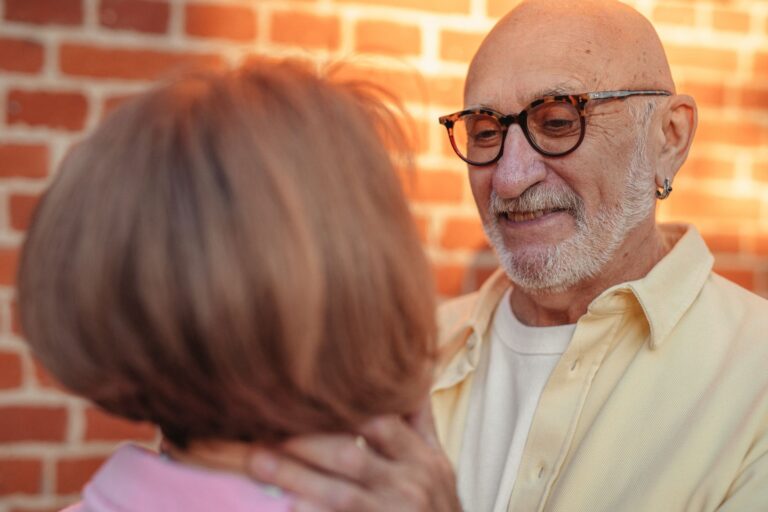
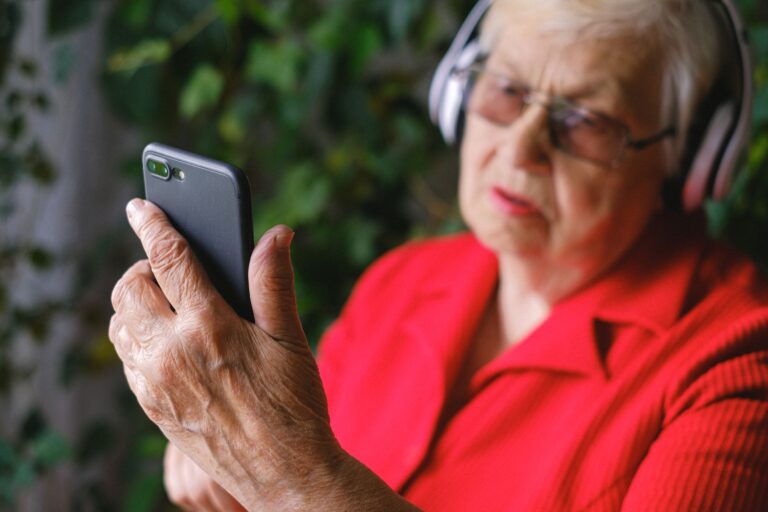
Yes, revisiting vacation memories can create meaningful connection in dementia care by engaging emotional memory systems that remain accessible even as other memories fade. Vacations typically involve pleasant emotions, travel, and shared experiences—elements the brain continues to process through emotional rather than detailed recall pathways. Family caregivers can use these accessible memories as a foundation for conversation, activity, and relationship strengthening without pressure for perfect recollection.
The research on reminiscence therapy shows concrete benefits. A meta-analysis found reminiscence therapy significantly improved cognitive function and reduced depression in people with dementia, while studies of family-delivered life review showed care recipients' depression significantly improved when caregivers guided conversations about past experiences. These improvements occur not because people regain lost memories, but because emotional engagement and shared focus on meaningful experiences create measurable wellbeing gains.
Medical information disclaimer: This article is for general educational purposes only and does not provide medical advice, diagnosis, or treatment. Always consult a physician or other qualified health professional about symptoms, medications, tests, or treatment decisions.
Table of Contents
- Why Vacation Memories Remain Accessible
- What Reminiscence Therapy Provides
- Practical Tools and Methods
- Setting Realistic Expectations
- Relationship Building Through Shared Experience
- Frequently Asked Questions
Why Vacation Memories Remain Accessible
Dementia typically damages the hippocampus—the brain region responsible for storing new facts and details—but leaves emotional processing systems more intact. This distinction matters for vacations. Even in Alzheimer's disease, the amygdala and emotional memory systems preserve the enhancement effect: people remember emotionally significant events (like a favorite beach trip) better than neutral moments, and this advantage persists as other memory fades.
A person may not recall the flight details or hotel name, but the feeling of relaxation, the sense of being together as a family, or the joy of a particular moment often remains. This emotional accessibility means vacations are practical bridges to connection. The person with dementia doesn't have to reconstruct a coherent narrative—they can respond to photographs, familiar objects, or sensory cues (a song from that trip, the scent of sunscreen) with genuine emotional recognition. This is fundamentally different from asking someone to "remember" factual details they no longer can access.
What Reminiscence Therapy Provides
Reminiscence therapy—guided conversation or activity focused on past experiences—significantly improves cognitive function, depressive symptoms, and overall quality of life in people with dementia. These gains come partly from the engagement itself (mental stimulation, social interaction) and partly from the emotional safety of revisiting meaningful moments.
When family caregivers deliver structured life review, benefits extend in both directions: care recipients showed significant depression reduction, while caregivers reported improved rewards from caregiving and stronger relationship quality without experiencing added burden. This mutual benefit distinguishes reminiscence from one-directional care tasks. Reminiscing together is a shared activity rather than a task performed on behalf of someone else.
Practical Tools and Methods
Several straightforward approaches make vacation reminiscence accessible:.
- **Photo albums and labeled pictures:** Photo directories with labeled pictures of family members and shared vacation experiences help stimulate reminiscence and allow conversations to focus on meaningful exchange rather than strained recall. Simple labels ("this is the beach house where we always went in July") provide the factual scaffolding so the person with dementia can engage emotionally.
- **Shared activities linked to vacations:** Shared activities between person and caregiver significantly decreased behavioral and psychological symptoms on days when activities occurred. This might mean cooking a dish from a favorite vacation destination, playing music associated with a trip, or revisiting a familiar local place with vacation history.
- **Structured family conversations:** Plan dedicated time for vacation reminiscence rather than waiting for spontaneous memory. Some families find that vacation-focused questions ("What did we always do first when we arrived?") work better than open-ended ones.
- **Virtual reality options:** Digital reminiscence therapy through virtual reality offers personalization and accessibility, with VR formats showing high engagement and improved mood in people with dementia. This can recreate vacation environments or show photo slideshows in an immersive format.
Setting Realistic Expectations
The research clearly documents benefits, but also an important limitation. While immediate quality-of-life improvements occur after reminiscence interventions, gains may not persist beyond 6 weeks without ongoing engagement.
This does not mean reminiscence therapy "fails"—it means the benefit requires repeated practice, similar to how exercise benefits fade without continued activity. Plan for reminiscence to be an ongoing practice rather than a one-time intervention. Weekly photo review, monthly revisits to a familiar vacation location, or regular family calls focused on shared memories all provide the repeated engagement research suggests works best.
Relationship Building Through Shared Experience
Beyond the cognitive and emotional benefits, vacation reminiscence changes the relational dynamic. Carers report improved relationships after time away together; shared vacation experiences create opportunities to reminisce about past holidays, reduce pressure for conversation, and enable reconnection focused on laughter and discovery rather than loss.
Reminiscence also preserves self-identity: nostalgia acts as a psychological buffer against identity threats in dementia, and guided life review helps people with dementia feel heard, valued, and appreciated. This identity preservation matters clinically. When someone feels their past experiences and life story are valued and remembered alongside them, they experience a different quality of care than when interactions focus solely on present deficits.
Frequently Asked Questions
Does someone with dementia need to remember the trip clearly for this to work?
No. Emotional engagement—recognizing the feeling of a favorite place, responding to photographs, or enjoying shared laughter about a memory—creates therapeutic benefit even without detailed recall. The goal is connection and wellbeing, not perfect memory recovery.
How often should we do vacation reminiscence activities?
Research suggests repeated engagement sustains benefits. Weekly photo review or conversation seems realistic for most families. If effects fade, increasing frequency may restore them.
Can we do this if someone has advanced dementia?
Yes. Emotional memory systems remain accessible longer than factual memory. Even in late-stage dementia, photographs, familiar objects, or a visit to a meaningful place may trigger emotional recognition and response.
What if reminiscence brings sadness or frustration?
Pay attention to the person's emotional response. If they feel loss or frustration about not recalling details, shift focus to the emotional tone of the memory ("you always seemed so happy there") rather than factual reconstruction, or try a different activity.