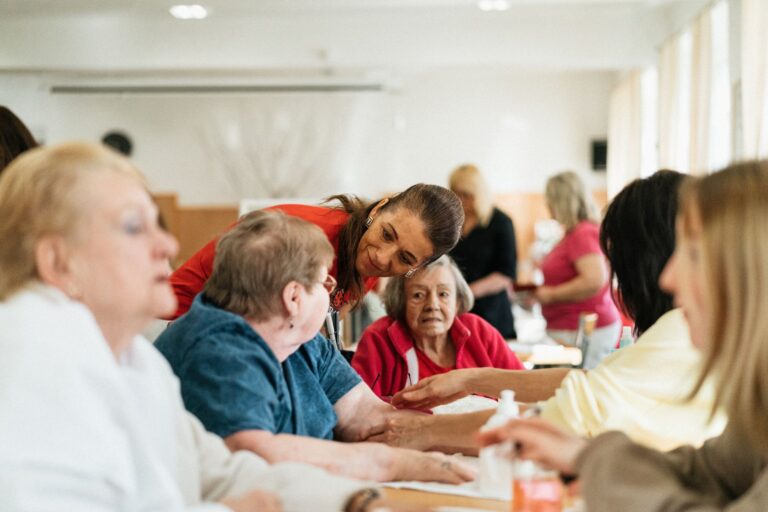
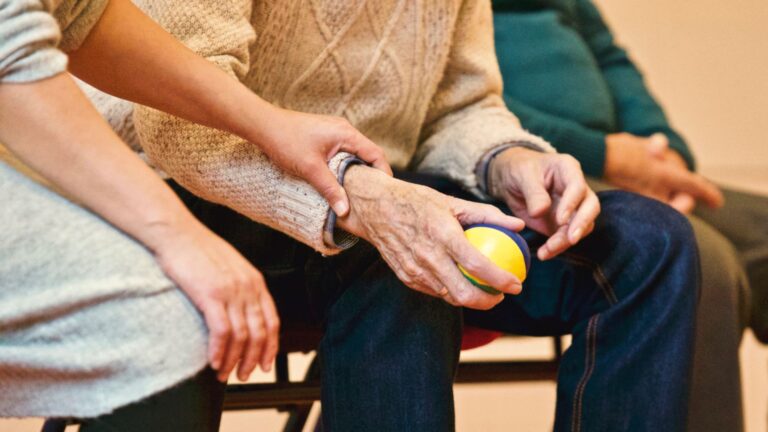
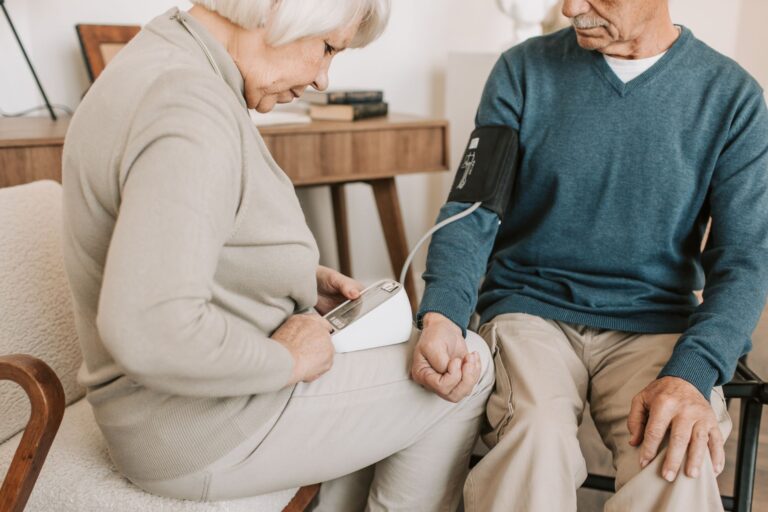
A childhood nickname can create space for connection in dementia care when the person recognizes and welcomes it. Use it as a personal communication cue, not as a treatment or a test of memory. Dementia is cognitive loss severe enough to interfere with daily life; it is not normal aging. Changes in language, attention, and comprehension can make familiar conversations harder, even when both people want to connect.
Medical information disclaimer: This article is for general educational purposes only and does not provide medical advice, diagnosis, or treatment. Always consult a physician or other qualified health professional about symptoms, medications, tests, or treatment decisions.
Table of Contents
- Why might a nickname help?
- How to try the nickname respectfully
- What does the evidence show?
- When should you avoid it?
Why might a nickname help?
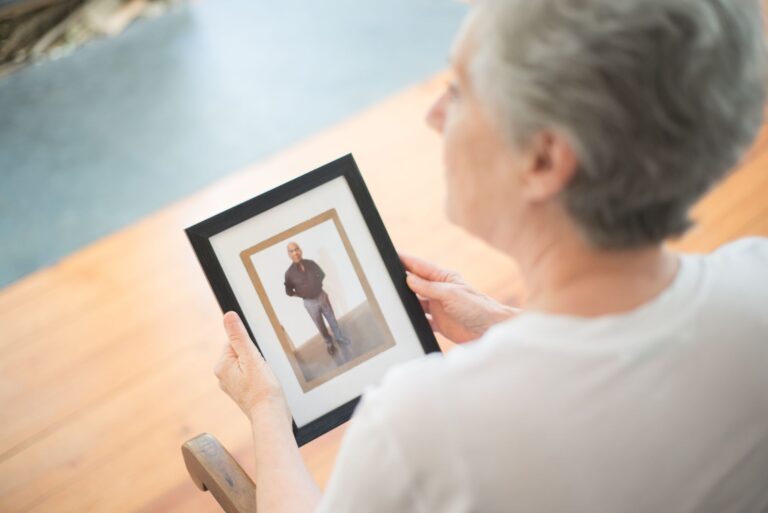
A familiar nickname may carry associations with family, school, friendship, or a particular stage of life. Hearing it could invite recognition, conversation, or a sense of ease. It may also prompt no visible response, which does not prove that the person has forgotten it. The closest studied approach is reminiscence therapy.
This involves discussing past experiences with prompts such as photographs or music. A nickname can serve as a similar prompt, but research has not established nicknames as a distinct dementia intervention. Alzheimer's disease can disrupt word-finding, comprehension, attention, and the organization of conversation. The National Institute on Aging recommends eye contact, enough response time, two-way conversation when possible, and respectful adult speech in its communication guidance for Alzheimer's caregivers.
How to try the nickname respectfully
First confirm that the person liked the nickname. Ask them when possible, or check with trusted relatives and existing care information.
Do not assume that an old name feels affectionate today. Try it during a calm, ordinary interaction: For example, say, "Would you like me to call you Jo?" rather than, "Remember when everyone called you Jo?" The first offers a choice; the second can feel like a memory test.
- Approach from the front and make eye contact.
- Say the nickname naturally, without demanding recognition.
- Pause and allow time for a response.
- Notice facial expression, tone, posture, and willingness to continue.
- Return to the person's usual name if they seem confused, tense, or displeased.
What does the evidence show?
The evidence supports modest expectations. A 2018 Cochrane review of 22 randomized trials involving 1,972 people found that reminiscence approaches may offer psychosocial benefits, but results were small and inconsistent. Individual formats were associated with cognition and mood, while group formats were associated with communication in the Cochrane review of reminiscence therapy.
That research does not prove that saying a childhood nickname improves memory, mood, or communication. It suggests only that carefully chosen personal-history prompts may sometimes support engagement. A nickname has no FDA approval, medical indication, formulation, or eligibility criteria. It should never replace clinical assessment, treatment, or communication support tailored to the person.
When should you avoid it?
Do not use a nickname if the person rejects it, becomes distressed, or associates it with an unwanted identity or painful period. Stop even if relatives believe the name "should" be comforting. Personal history can contain conflict, trauma, or competing family accounts.
A BMC Nursing systematic review found life-story research too limited to establish its importance and warned that this work may uncover sensitive material or disagreement over whose version of a life is recorded in the review of life-story work in long-term care. In a nursing home, document the resident's preference so different caregivers use the same respectful approach. CMS promotes goal-directed, person-centered dementia care, so a nickname should reflect the resident's wishes rather than staff convenience under its nursing-home regulations and guidance.