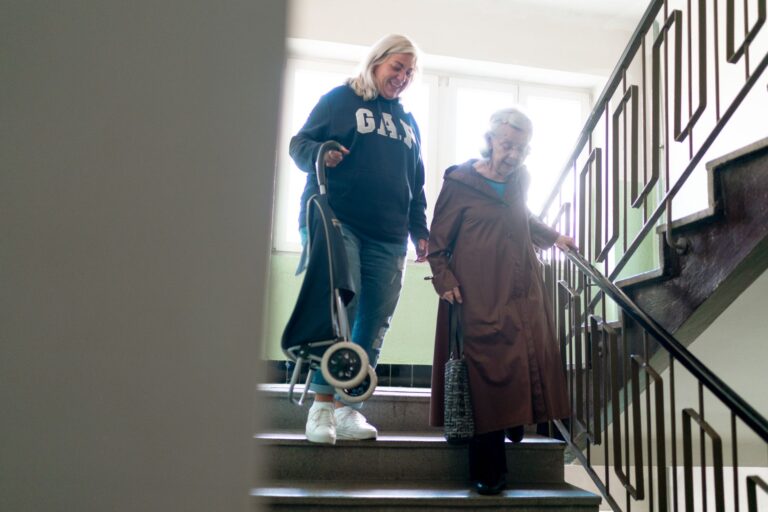
Holding hands in comfortable silence can carry affection, reassurance, and connection when conversation becomes difficult during dementia. Its emotional weight comes from being together without demanding words, though it does not prove recognition or treat the disease. "Comfortable silence" describes a quiet moment that feels safe rather than strained. Dementia means cognitive decline that interferes with daily life; it is not normal aging, and Alzheimer's disease is its most common type.
Medical information disclaimer: This article is for general educational purposes only and does not provide medical advice, diagnosis, or treatment. Always consult a physician or other qualified health professional about symptoms, medications, tests, or treatment decisions.
Table of Contents
- When silence becomes communication
- Why the moment can feel so heavy
- Is hand-holding always comforting?
- How to share quiet presence
- What the evidence does—and does not—show
When silence becomes communication
Dementia may make it harder to find words, understand speech, or sustain a conversation. Feelings may increasingly appear through facial expressions, body language, movement, and touch. Silence can therefore reduce pressure.
A relative does not need to fill every pause, correct every unfinished sentence, or test whether the person remembers a name. The National Institute on Aging advises allowing extra response time, avoiding interruptions, watching nonverbal cues, and holding the person's hand while talking. These practices support quiet presence as a form of communication, not a failed conversation. See the NIA's communication guidance.
Why the moment can feel so heavy
For relatives, hand-holding may express love, grief, gratitude, or a wish to protect someone whose abilities are changing. The same moment can feel comforting and painful because closeness remains possible while familiar conversation may be fading. That emotional weight often sits within sustained caregiving demands. The CDC reports that more than 11 million U.S.
adults provided 18.4 billion hours of unpaid dementia care in 2023. Dementia caregivers also experience more anxiety, depression, and reduced quality of life than other caregivers. The CDC describes this family-wide burden. A peaceful visit does not erase exhaustion, uncertainty, or loss. It can still matter on its own terms: two people shared a moment without forcing it to become more than it was.
Is hand-holding always comforting?
No. Touch should follow the person's response, not the relative's intention. Dementia can make care or physical contact feel frightening, embarrassing, confusing, or unpleasant. Offer a hand slowly and explain what you are doing.
If the person pulls away, stiffens, grimaces, becomes restless, or seems distressed, release the hand without arguing or trying again immediately. Resistance may communicate discomfort even when the person cannot explain it in words. The NIA recommends gentle, explained, person-centered care rather than assuming contact is welcome. Its caregiving guidance addresses discomfort and resistance.
How to share quiet presence
Begin with the person's comfort and leave room for a response. A simple approach may help: If touch is unwelcome, companionship can remain quiet. Sitting nearby, speaking in a calm voice, or allowing more response time can preserve connection without physical contact.
- Sit where the person can see you.
- Say who you are if that seems helpful.
- Offer your hand instead of taking theirs.
- Keep your grip loose and your movements gentle.
- Allow pauses without asking repeated questions.
What the evidence does—and does not—show
Hand-holding and comfortable silence are not diagnosed clinical states or approved dementia treatments. Their value is relational and personal, not evidence that dementia has slowed or symptoms have improved. Research on touch alone remains too limited for firm conclusions.
A Cochrane review found only two sufficiently rigorous small studies among 18 reviewed, so hand-holding should not be presented as a treatment. Read the Cochrane evidence review. Treat the moment as communication, observe the person's response, and release their hand whenever touch no longer appears welcome.