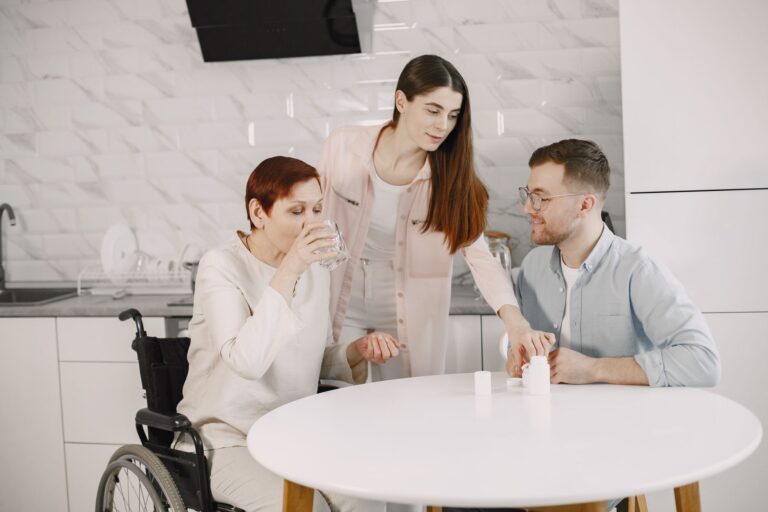
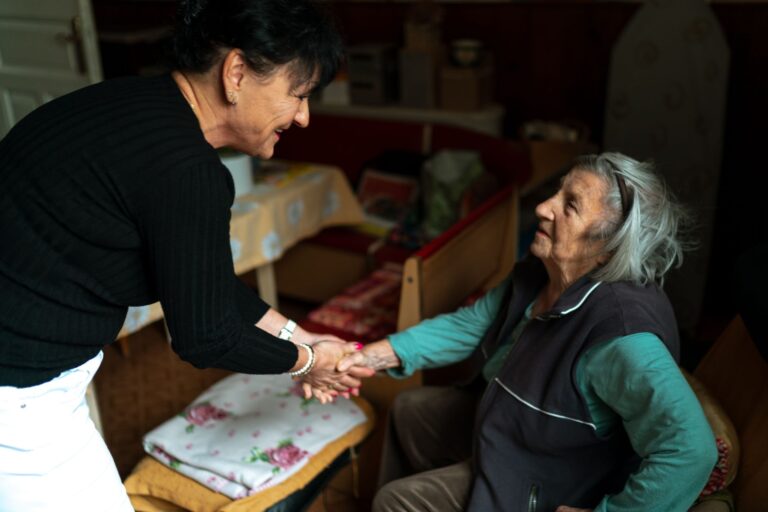
Couples may sustain affection by shifting from familiar routines to simple, mutually welcome forms of connection. Dementia—cognitive decline severe enough to disrupt daily life—can change intimacy, but it does not eliminate every path to closeness, according to the CDC's overview of dementia. The aim is not to preserve the relationship exactly as it was. It is to notice what still feels safe, pleasant, and meaningful to both partners.
Medical information disclaimer: This article is for general educational purposes only and does not provide medical advice, diagnosis, or treatment. Always consult a physician or other qualified health professional about symptoms, medications, tests, or treatment decisions.
Table of Contents
- Broaden the meaning of affection
- Why intimacy may feel different
- Build connection around the present
- Protect consent, privacy, and safety
- Set realistic expectations
Broaden the meaning of affection
Affection does not have to mean sex. Intimacy can include emotional closeness, physical contact, or both, as the National Institute on Aging explains. A couple might hold hands during a familiar song, cuddle before bed, share a meal, take a walk, or offer a gentle massage.
These moments can preserve connection without creating pressure to talk, remember, or perform. Follow the person's response rather than insisting on an old routine. A relaxed posture, returned touch, or continued participation may invite connection; hesitation, distress, withdrawal, or refusal means stop.
Why intimacy may feel different
dementia may change memory, recognition, mood, personality, energy, behavior, and sexual desire. Depression, physical illness, and medication effects can also reduce desire, while some dementia-related changes can increase sexual behavior or disinhibition, according to the Alzheimer's Association guide to sexuality and intimacy changes.
These changes can feel personal to a spouse, but they may reflect symptoms rather than a deliberate rejection or demand. When a change is sudden, troubling, painful, or hard to manage, ask a clinician to assess possible treatable contributors.
Build connection around the present
Choose activities that require little explanation and can succeed even when memory is unreliable. Keep them brief, familiar, and easy to leave.
Watch which activities bring calm, attention, or enjoyment. Repeat what works, adapt when it stops working, and avoid treating participation as a test of the relationship.
- Play music the person enjoys and sit together.
- Look through a few familiar photographs without testing names or dates.
- Share a favorite snack or drink.
- Fold towels, water plants, or take a short walk together.
- Offer a hand, hug, or shoulder rub and wait for a welcoming response.
Protect consent, privacy, and safety
Increased sexual behavior does not prove consent or desire. Respond calmly, protect privacy, redirect attention, and seek clinical help when behavior causes distress or creates a safety concern. Consent must be present in the moment.
Do not rely only on marital history, an earlier agreement, or the assumption that a spouse would have wanted contact before dementia changed communication. If words are unclear, use a low-pressure invitation and pause. Stop when either partner appears uncomfortable, confused, frightened, resistant, or unable to participate freely.
Set realistic expectations
Research supports individualized, couple-centered care rather than one guaranteed method. A 39-study review linked relationship quality with coping, shared activities, emotional connection, roles, belonging, and safety, while a UK trial found better relationship ratings from a home activity program despite no improvement in cognition or participant quality of life and low adherence (systematic review; randomized trial).
The practical limit matters: no activity can reliably "keep affection alive" for every couple. A realistic goal may be one comfortable shared moment, followed by permission to change course when it no longer feels good.