VA Aid and Attendance for dementia care is extra monthly money added to a VA pension for veterans or surviving spouses who need help with daily activities because of cognitive decline. To qualify, the person must first meet VA pension rules, then document a dementia-related need for regular aid, usually with a physician's exam form.
Aid and Attendance (A&A) is not a separate benefit you apply to on its own. It is a supplement to the basic VA pension, according to the VA's Aid and Attendance page. That order matters: pension eligibility comes first, then the A&A add-on.
Medical information disclaimer: This article is for general educational purposes only and does not provide medical advice, diagnosis, or treatment. Always consult a physician or other qualified health professional about symptoms, medications, tests, or treatment decisions.
Official resources:
- VA Aid and Attendance / Housebound official page — Use this primary source to verify the official guidance.
- Check eligibility on Va’s official study page — Use this page to check the study’s participation requirements.
Table of Contents
- Does dementia qualify for Aid and Attendance?
- You must qualify for VA Pension first
- How much does Aid and Attendance pay?
- Which forms do you file?
- Practical steps and cautions
- Frequently Asked Questions
Does dementia qualify for Aid and Attendance?
Yes. A&A eligibility can rest on needing another person to help with daily activities, or on living in a nursing home because of lost mental abilities from a disability. The VA explains that this covers loss of *mental* function, not only physical dependence.
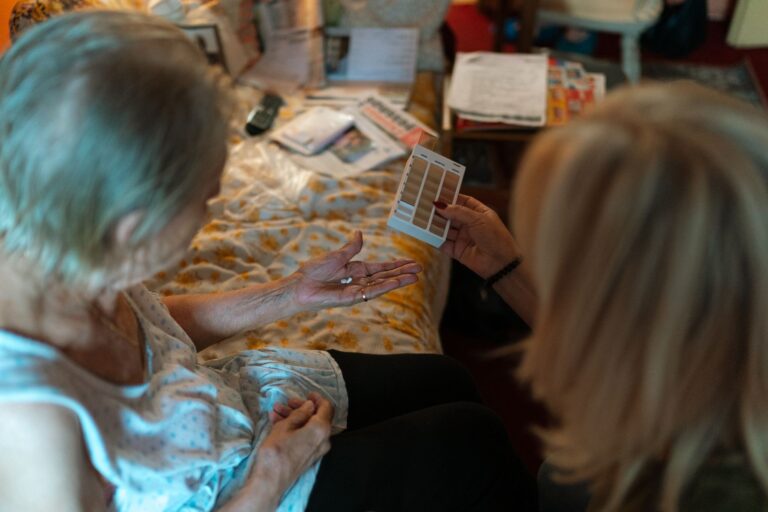
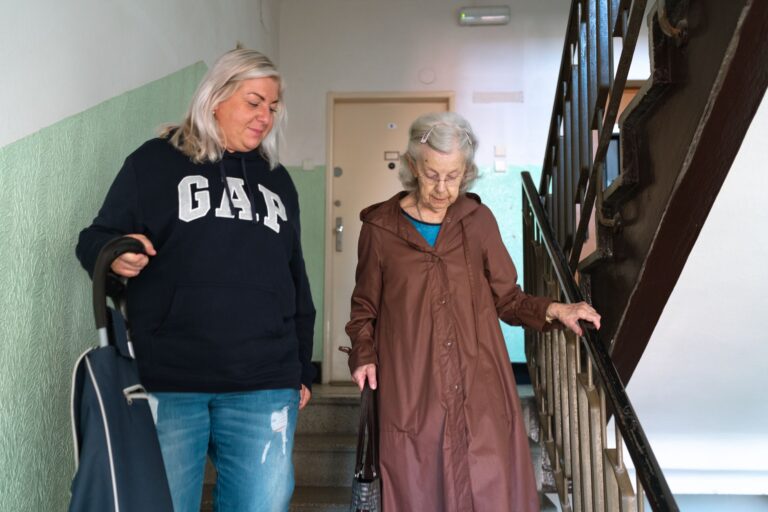
For a person with dementia, this means the need for supervision, prompting, or hands-on help with bathing, dressing, eating, medication, or safety can meet the standard. The impairment does not have to be physical. The key is documented, ongoing need for another person's help—not a specific diagnosis label. A moderate-to-advanced dementia that leaves someone unable to manage daily self-care or stay safe alone is the situation this benefit is built for.
You must qualify for VA Pension first
A&A rides on top of the basic Veterans Pension, so the veteran must clear that bar first. Per VA pension eligibility rules, that generally means about 90 days of active duty with at least one day during a recognized wartime period, plus meeting an age (65 or older) or disability test. There are also financial limits.
From December 1, 2025 through November 30, 2026, the pension net worth limit—assets plus annual income combined—is **$163,699**, according to the VA's pension rate page. Households above that ceiling do not qualify, though many care costs can reduce countable income. Surviving spouses may also qualify through a Survivors Pension with A&A, using the same general framework.
How much does Aid and Attendance pay?
The payment is not a fixed check. VA pension works on a Maximum Annual Pension Rate (MAPR): the VA pays the difference between your MAPR and your countable income. After the 2.8% cost-of-living increase effective December 1, 2025, the MAPR figures from the VA rate tables include: Because payment equals MAPR minus countable income, a household with high income receives less, and unreimbursed dementia care costs often lower that countable income—which can raise the monthly amount.
- $17,441 for a veteran with no dependents and no A&A.
- Up to $38,350 for a veteran with one dependent when both qualify for A&A.
Which forms do you file?
Applying means submitting the pension application plus the paperwork that proves the aid-and-attendance need. You can apply online or by mail through your regional Pension Management Center.
Have the physician's 21-2680 describe concrete limits: what the person cannot do alone, and what supervision they need. Vague notes slow claims; specific functional detail helps a reviewer see the need.
- **VA Form 21P-527EZ** — the core Application for Veterans Pension, filed online or by mail per the VA's how-to-apply page.
- **VA Form 21-2680** — the Examination for Housebound Status or Permanent Need for Regular Aid and Attendance, completed by a physician who documents the dementia-related need, as noted on the A&A page.
- **VA Form 21-0779** — the Request for Nursing Home Information, added when the person lives in a nursing home.
Practical steps and cautions
Move in a clear order so nothing stalls the claim. Two cautions.
First, be wary of anyone charging a fee to "help you qualify" or shift assets—improper transfers can trigger a penalty period under the net worth rules. Second, confirm current figures before you file, since MAPR and the net worth limit change each December; the official A&A page carries the latest numbers.
- Confirm wartime service dates and gather the DD-214 discharge record.
- Total the household's assets and annual income against the $163,699 net worth limit.
- Ask the treating physician to complete Form 21-2680 with specific functional detail.
- File Form 21P-527EZ, attaching 21-2680 and, if applicable, 21-0779.
- Keep copies of every form and note the date you filed.
Frequently Asked Questions
Can a surviving spouse of a veteran get Aid and Attendance for dementia?
Yes. A surviving spouse may qualify through the Survivors Pension with A&A, subject to the same wartime-service and financial framework.
Does a dementia diagnosis alone qualify someone?
No. Qualification turns on documented need for another person's help with daily activities or safety, not the diagnosis by itself.
Who fills out Form 21-2680?
A physician completes it, describing the person's dementia-related need for regular aid and attendance.