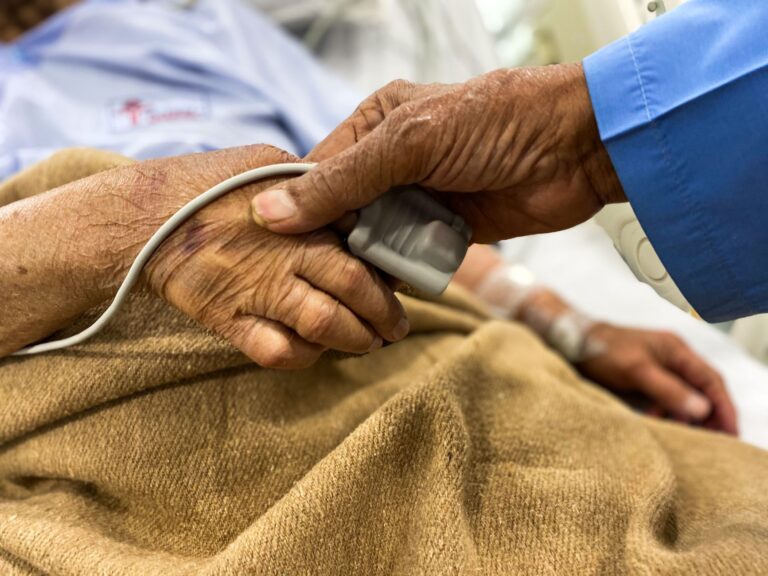
Dementia costs families more than medical bills alone because the financial burden extends into unpaid caregiving, uncovered long-term support, reduced earnings, household expenses, and caregiver health. A daughter may spend the morning managing medications, leave work early for a neurology appointment, pay for incontinence supplies on the way home, and provide supervision through the evening. Only some of those costs appear on a medical statement. The scale depends on how costs are measured, so it would be misleading to claim that nonmedical expenses always exceed every measure of medical spending.
Still, the evidence shows that families absorb a substantial burden outside formal health care. The National Academies identifies unpaid care, out-of-pocket spending, foregone work, and effects on caregivers’ health as major components of dementia’s economic impact. A 2021 study cited by the Centers for Disease Control and Prevention found that dementia caregivers spent nearly $9,000 a year out of pocket on average. Nearly 80% reported paying routine expenses for the person receiving care, including services, meals, and medical supplies. These payments can be difficult to recognize as care costs because they are scattered across grocery receipts, utility bills, transportation expenses, and household accounts.
Medical information disclaimer: This article is for general educational purposes only and does not provide medical advice, diagnosis, or treatment. Always consult a physician or other qualified health professional about symptoms, medications, tests, or treatment decisions.
Table of Contents
- Why Do Dementia Costs Extend Beyond Medical Bills?
- Out-of-Pocket Dementia Spending Reaches Beyond Copays
- Unpaid Dementia Care Has a Measurable Economic Value
- How Families Can Identify and Plan for Hidden Care Costs
- Employment, Income, and Wealth Can Erode During Caregiving
- Caregiver Health Creates Costs That Are Easy to Miss
- Family Records Can Make the Full Dementia Burden Visible
Why Do Dementia Costs Extend Beyond Medical Bills?
dementia gradually affects memory, judgment, communication, mobility, and the ability to complete everyday tasks. Medical care addresses only part of that progression. Families may also need to arrange meal preparation, transportation, bathing assistance, financial oversight, home maintenance, nighttime supervision, and protection from wandering or fraud. Medicare generally does not cover long-term custodial care, including most nonmedical assistance in a nursing home or in the community.
Beneficiaries remain responsible for noncovered costs unless they qualify for another source of assistance, such as Medicaid. A family may therefore have coverage for a physician visit but receive no Medicare payment for the aide who helps a parent dress, eat safely, and use the bathroom each day. In 2026, health and long-term-care payments for Medicare beneficiaries age 65 and older with Alzheimer’s disease or another dementia are projected to reach $409 billion. Medicare accounts for $186 billion and Medicaid for $77 billion, while $103 billion—25% of the total—is projected to come directly out of pocket. The comparison shows why having medical insurance does not eliminate a family’s exposure to dementia-related costs.
Out-of-Pocket Dementia Spending Reaches Beyond Copays
Average annual out-of-pocket health and long-term-care spending was $10,877 for medicare beneficiaries age 65 and older with dementia, compared with $2,674 for beneficiaries without dementia. Those figures, based on 2018 survey data expressed in 2025 dollars, include deductibles, copayments, premiums, and services that insurance does not cover. The difference can emerge through many small and large charges. A spouse might pay a recurring insurance premium, pharmacy copays, adult-day program fees, transportation costs, and several hours of private home care each week.
If the person begins wandering or cannot safely use stairs, the household may also pay for door alarms, locks, lighting, ramps, or other modifications that are not ordinary medical treatments. Published totals have important limitations. The estimated lifetime cost of dementia care is $405,262 in 2024 dollars, with 70% borne by family caregivers through unpaid care and out-of-pocket expenses. Yet that estimate does not fully capture caregiver health effects, lost workplace productivity, home modifications, or respite use. Families using a single national average for planning should recognize that local care prices, disease duration, living arrangements, and eligibility for public programs can produce very different results.
Unpaid Dementia Care Has a Measurable Economic Value
In 2025, 12.7 million family members and other unpaid caregivers supplied an estimated 19.6 billion hours of dementia care—nearly 30 hours per caregiver each week. Using a conservative wage proxy, that time was valued at $446.3 billion. This is an economic valuation of labor, not money paid to caregivers, and different valuation methods can produce different estimates. The practical cost becomes clearer when care displaces paid help or other responsibilities.
If a son supervises his father for six hours every Saturday, the family may avoid paying for a professional caregiver during those hours. The son still gives up time that could have been used for paid work, rest, parenting, medical appointments, or household tasks. Living at home does not necessarily make the total burden smaller. During the last seven years of life, out-of-pocket and informal-care costs totaled $253,779 in 2025 dollars for dementia households, compared with $128,634 for households without dementia. Among people with dementia, informal-care costs were higher for those living in the community than for nursing-home residents—$289,529 versus $207,292—partly because Medicaid covers nursing-home care for many eligible beneficiaries.
How Families Can Identify and Plan for Hidden Care Costs
A useful care budget should track more than clinical charges. Families can create separate categories for insurance-related spending, paid home care, household supplies, transportation, food, safety equipment, legal and financial services, home modifications, and unpaid caregiving hours. Recording who provides care and how much work time is missed can reveal costs that a bank statement alone will not show. Families should also compare care arrangements by total burden rather than sticker price. Keeping a parent at home may avoid a large facility bill, but it can require extensive family supervision and home-care support.
Residential care may carry a higher visible monthly charge while reducing some unpaid labor. The tradeoff depends on safety, care intensity, caregiver availability, local prices, and possible Medicaid eligibility—not simply which option has the lower advertised rate. Early benefits screening matters because payment rules differ across programs. Medicare coverage for medical treatment should not be mistaken for comprehensive long-term-care coverage. Before relying on a proposed care plan, families can confirm what insurance covers, what requires prior authorization, what is custodial rather than medical, and which expenses remain their responsibility.
Employment, Income, and Wealth Can Erode During Caregiving
Dementia caregiving often conflicts with the predictability expected in paid employment. Among caregivers who had been employed during the previous year, 57% sometimes arrived late or left work early, and 18% reduced their working hours. These disruptions are a likely source of reduced income and lost productivity, even when the caregiver never formally leaves a job. For example, an employee who cuts a 40-hour week to 30 hours may lose wages immediately and could also receive smaller retirement contributions or Social Security earnings credits. A worker who declines a promotion because travel is no longer possible may experience a cost that never appears in a care ledger.
Paid leave can offer temporary relief, but it may be limited, unavailable, or insufficient for a condition that can continue for years. Out-of-pocket spending can also consume a substantial share of household resources. People with Alzheimer’s dementia spent an average of 12% of couple or individual income on out-of-pocket health services, excluding nursing-home and informal care, compared with 7% among people without Alzheimer’s dementia. In a separate end-of-life comparison, out-of-pocket costs represented 32% of total wealth for people with dementia versus 11% for those without dementia. These averages do not predict every household’s experience, but they warn against assessing affordability from income alone.
Caregiver Health Creates Costs That Are Easy to Miss
Providing close supervision, physical assistance, and repeated decision-making can interfere with sleep, exercise, preventive care, and management of a caregiver’s own medical conditions. A spouse who postpones a dental procedure because no substitute caregiver is available may later face more complicated treatment, while an adult child experiencing chronic exhaustion may lose additional workdays.
These effects are difficult to price consistently, which is one reason estimates of dementia’s family burden vary. Caregiver health costs may appear in a different person’s medical record months or years after the care was provided, separating them from the dementia expenses that contributed to the strain.
Family Records Can Make the Full Dementia Burden Visible
A detailed monthly record can document direct payments and unpaid work without assigning every sacrifice an artificial price. For example, a family might record $600 for home-care assistance, $140 for transportation and supplies, 70 hours of unpaid supervision, three early departures from work, and one canceled caregiver appointment.
Keeping receipts, coverage decisions, care schedules, mileage, and work disruptions together can also help relatives divide responsibilities and provide accurate information to financial, legal, tax, or benefits professionals. The distinction between spending and economic value should remain clear: the $446.3 billion attributed to unpaid dementia care in 2025 was not a cash payment to families, while the nearly $9,000 in average annual direct caregiver spending reported in the CDC-cited study represented money caregivers actually paid.