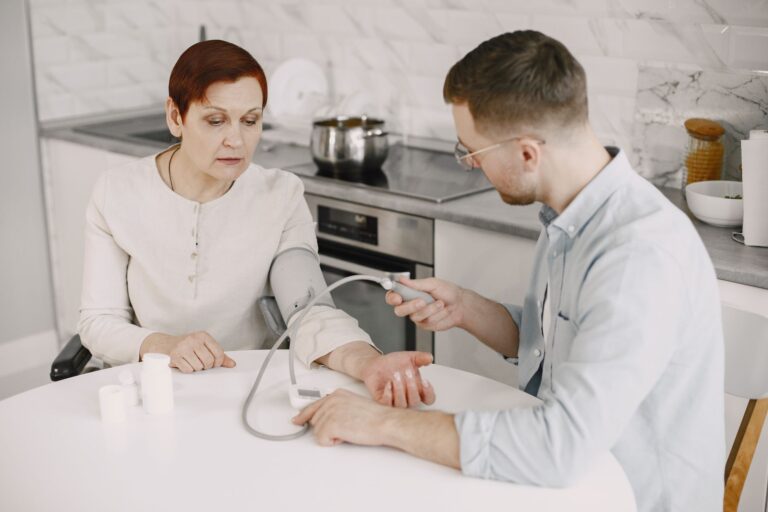
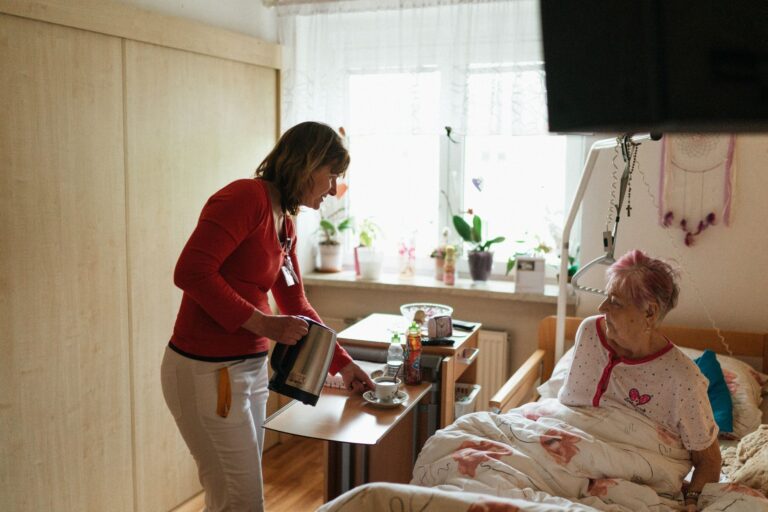
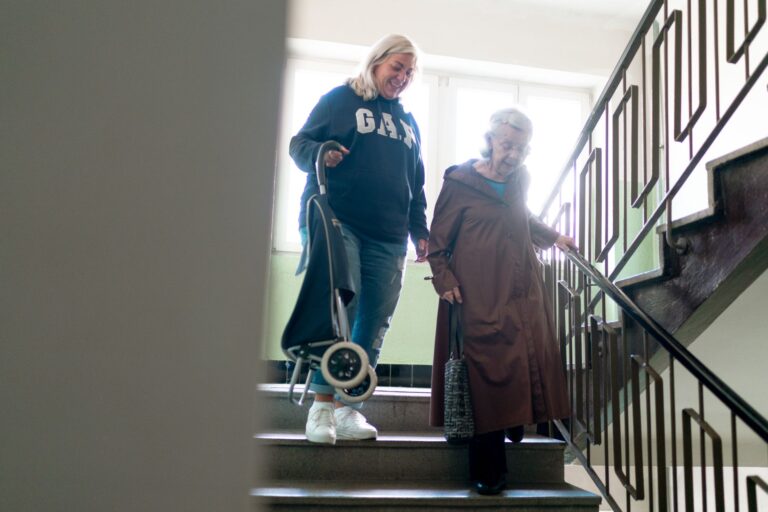
Across Europe, unpaid family members shoulder the majority of costs associated with dementia care—a financial and emotional burden that often goes unrecognized by policymakers and largely unreimbursed by healthcare systems. When a person develops dementia, the economic reality extends far beyond what formal medical services cost; families absorb medication expenses, equipment purchases, home modifications, lost wages from caregiving, and the private care hours that healthcare systems cannot or will not fund. In the Netherlands, for example, a family caring for a parent with moderate dementia might spend hundreds of euros monthly on assisted living aids, specialized foods, incontinence products, and in-home support that public systems don’t cover—costs that accumulate into tens of thousands of euros over years.
The structural reason families bear these costs is straightforward: European healthcare systems, despite their public funding models, were not designed to provide comprehensive dementia care. These systems excel at acute medical crises—heart attacks, infections, surgery—but dementia is a chronic condition requiring persistent, daily assistance. Families fill the gap, paying out-of-pocket for the long-term support that keeps their relatives safe and independent as long as possible. This arrangement creates a two-tiered system: wealthy families can afford quality private care and supplements to public services, while lower-income families must choose between financial hardship and reduced care quality.
Table of Contents
- How Do Family Caregivers Cover Dementia Expenses?
- Why Do Healthcare Systems Shift Costs to Families?
- The Real Burden on Unpaid Caregivers
- What Financial Support Exists, and Where It Falls Short?
- The Invisible Economic Impact on Women and Lower-Income Families
- The Ripple Effects on Healthcare Systems
- Current Policy Gaps and Uneven Implementation Across Europe
How Do Family Caregivers Cover Dementia Expenses?
Family caregivers finance dementia care through direct purchases of goods and services, foregone income from reducing or leaving paid work, and personal borrowing. A daughter in Spain who quits her job to provide full-time care for her mother loses not only her salary but also pension contributions and career advancement—a sacrifice often calculated in hundreds of thousands of euros over a lifetime. Meanwhile, her direct out-of-pocket expenses for medications, nutritional supplements, incontinence supplies, mobility aids, and occasional professional services accumulate quickly. In Germany, families report spending anywhere from several hundred to several thousand euros annually on non-covered care items, depending on disease stage and local service availability.
The expense categories are diverse and often unexpected. Beyond obvious costs like adult day programs or night nursing care, families pay for home safety modifications (grab bars, ramps, bathroom redesigns), specialized dementia-friendly furniture, cleaning services to manage hygiene and household upkeep, transportation to appointments, and professional care coordination services. Some families purchase monitoring technology—GPS trackers, fall-detection systems, or medication dispensers—at their own expense because public systems do not provide them. This fragmented payment structure means that families must simultaneously manage complex medical needs while acting as financial administrators for a patchwork of private services.
Why Do Healthcare Systems Shift Costs to Families?
European healthcare systems face a structural mismatch between the rising prevalence of dementia and the resources available to treat it. Dementia is not curable, does not resolve quickly, and requires open-ended support that grows more intensive over time. Traditional healthcare funding models, designed around episodic acute care with clear endpoints, struggle to accommodate this reality. A hospital can treat a broken hip and discharge the patient; it can prescribe antibiotics for an infection; but it cannot fund decades of supportive care for a progressive neurodegenerative disease in a way that also serves its other obligations to cancer patients, stroke survivors, and emergency cases.
The limitation here is that public healthcare budgets are finite, and in many European countries, demand for dementia services already exceeds what systems are funded to provide. Rather than explicitly rationing care—an unpopular political move—systems often reduce their role to diagnosis, medication management, and crisis intervention, leaving everyday care, supervision, and quality-of-life support to families. Some European countries offer better coverage than others: the Nordic region generally provides more subsidized long-term care services, while Mediterranean and Central European countries rely more heavily on family provision. This geographic inequality means a family in Denmark faces a very different financial burden than a family in Greece or Poland caring for someone with identical disease severity.
The Real Burden on Unpaid Caregivers
The financial cost is inseparable from the health and social costs borne by family caregivers themselves. Studies across Europe document that dementia caregivers experience elevated rates of depression, anxiety, physical illness, and premature mortality compared to age-matched peers. A British caregiver providing intensive support to a spouse with moderate dementia often sacrifices sleep, social contact, and routine healthcare for themselves. When added to the financial strain—perhaps depleting savings for a child’s education or retirement—the cumulative burden can be overwhelming.
In Italy, where family support is culturally expected and formalized through limited paid leave for caregiving, adult children frequently become isolated while managing parent care. They may reduce work hours, miss career development opportunities, and develop stress-related health conditions. The “caregiver stress” is not merely psychological; it has documented physiological markers, including elevated cortisol, higher cardiovascular disease risk, and accelerated cognitive aging. These caregivers are typically middle-aged or older themselves—people whose own health is beginning to decline—yet they have no mechanism to receive institutional support without paying privately.
What Financial Support Exists, and Where It Falls Short?
Several European countries have introduced caregiver support schemes: Germany’s long-term care insurance, France’s allocation personnalisée d’autonomie (APA), and Spain’s dependency law provide some assistance. However, these programs typically fall far short of actual costs and often come with strict eligibility criteria that exclude many families. Germany’s long-term care insurance, for instance, provides monthly benefits to dementia patients, but benefits are calculated based on a narrow set of care activities and often do not account for the full spectrum of expenses families incur. France’s APA offers assistance to seniors but requires means testing that excludes middle-class families, creating a gap where people earn too much for public assistance but cannot afford full private care.
The tradeoff inherent in these systems is between universality and adequacy. A program that covers everyone provides only minimal support; one that provides adequate support to those who need it most must ration access or means-test, creating both bureaucratic barriers and the perverse incentive to hide assets or income. Belgium attempted a more comprehensive approach with its integration of dementia care into social insurance, yet even there, families report significant out-of-pocket costs for medications not covered, private care hours beyond what the system funds, and transportation. No European country has solved the problem of providing comprehensive dementia care without substantial family financial contribution.
The Invisible Economic Impact on Women and Lower-Income Families
Dementia caregiving is disproportionately performed by women—daughters, daughters-in-law, and wives—who already occupy precarious positions in the labor market. When a woman reduces work or leaves employment to provide dementia care, she loses income during the years when career advancement and pension accumulation are most important. Over a 10-year caregiving period, the lost earnings, pension contributions, and career advancement can exceed several hundred thousand euros. For single mothers or women already earning low wages in countries like Romania or Bulgaria, a caregiving obligation can push a family into financial crisis.
Lower-income families also lack the ability to substitute money for time. A wealthy family might hire in-home caregivers for 40 hours weekly at €15–25 per hour, ensuring their relative receives professional support while family members continue their careers. A lower-income family faces an impossible choice: one member must stop working to provide unpaid care, or the family must use credit and deplete savings, or the relative receives minimal supervision and higher risk of harm. This inequity means that dementia, nominally a universal disease, produces vastly different outcomes based on family wealth. It also means that the cost burden falls most heavily on those least able to afford it—a warning that systems relying on family provision without financial support will exacerbate existing health and economic disparities.
The Ripple Effects on Healthcare Systems
When families cannot afford care costs, they sometimes delay professional help or reduce their relative’s care quality, creating downstream health problems. A family unable to afford mobility aids may limit their relative’s movement, accelerating physical decline. A family unable to pay for professional supervision may miss early signs of infection, leading to hospital emergency admissions that are far more costly to the healthcare system.
Some European studies suggest that inadequate family support resources increase dementia-related hospitalizations, suggesting that the “savings” from shifting costs to families are partially illusory—the money reappears as emergency care, hospital stays, and crisis interventions. Additionally, when primary family caregivers become ill or burn out from the dual burden of caring and financial stress, the relative may require urgent institutional placement at greater cost to the system than preventive support would have been. A caregiver’s heart attack or stroke, if traceable to the stress of dementia caregiving, represents a failure of the system to distribute the care burden appropriately. The financial shifting to families creates false economies that appear to save money in the short term but generate costs elsewhere and harm both patients and caregivers.
Current Policy Gaps and Uneven Implementation Across Europe
The implementation of dementia-related financial support varies dramatically across Europe, reflecting both economic capacity and policy priorities. Scandinavian countries offer more subsidized home care and long-term care insurance; Southern European countries rely more heavily on family networks and private out-of-pocket spending; Central and Eastern European countries have limited public systems and consequently see younger people working fewer hours or leaving employment entirely to provide family care. A 65-year-old with dementia in Stockholm may receive subsidized home care services covering 20+ hours weekly; the same person in Bucharest would receive minimal public support, forcing their family to provide care or pay for private services.
Few European countries have adequately addressed the reality that dementia care, unpaid and underfunded, is unsustainable. The systems that do offer better support—Nordic long-term care insurance models, integrated services in Belgium—have done so at significant public cost, suggesting that shifting expenses to families is not a viable long-term solution but rather a temporary cost transfer that will eventually create larger crises as populations age and fewer working-age people are available to provide unpaid care. The current arrangement is best understood not as a stable policy but as a transitional state that will require either substantial increases in public investment or systematic harm to family caregivers and dementia patients.
- —