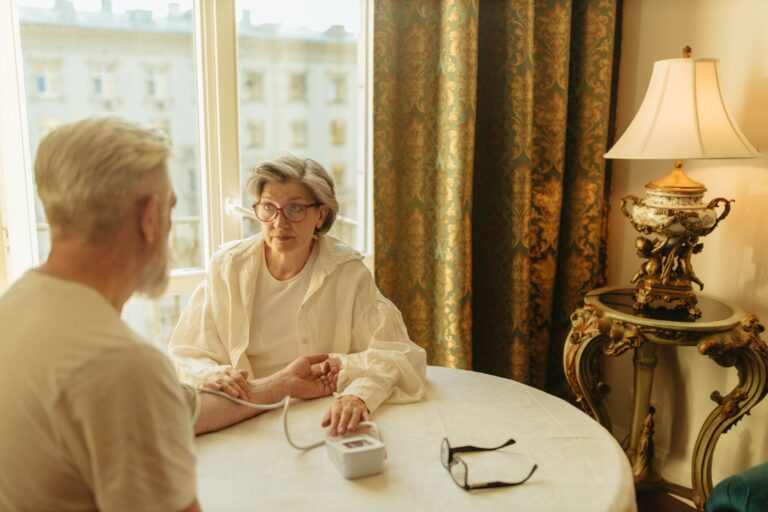
The sadness that lingers after a good visit with someone who has dementia isn’t a failure or a sign that something went wrong. It’s a legitimate emotional response to a complicated reality: you’ve just experienced something positive with someone you love, and that same visit has also reminded you of everything that’s changed. The good visit doesn’t erase the disease; it exists alongside it, which creates an emotional paradox that catches many people off guard. When you leave after a visit where your parent or spouse was lucid, engaged, and felt like themselves, you might expect to feel purely happy.
Instead, you feel grief. You feel the weight of what’s been lost. You might feel sadness about the next visit, knowing the good days are unpredictable. A daughter described leaving her father’s apartment after he’d told coherent stories and laughed at old jokes: “I cried the entire drive home, even though it was one of the best visits we’ve had in months. I felt guilty for crying.” That sadness is real, and it needs to be acknowledged rather than pushed away.
Table of Contents
- Why Do Good Visits Trigger Sadness?
- The Hidden Guilt of Post-Visit Grief
- Anticipatory Grief and the Weight of What’s Coming
- How to Process the Sadness Without Rushing Through It
- When Post-Visit Sadness Signals Something Bigger
- Self-Compassion When Your Emotions Don’t Make Logical Sense
- The Long-Term Reality of Emotions in Dementia Caregiving
- Frequently Asked Questions
Why Do Good Visits Trigger Sadness?
The sadness after a good visit happens because dementia doesn’t have a linear path. A person can be largely absent one day and remarkably present the next. When they’re present, you get to remember who they were before the disease took hold. You remember what conversations used to be like. You see glimmers of their personality, their humor, their way of seeing the world. Then the visit ends, and you leave them behind. That return to separation—to the reality that they still have dementia and you still can’t fix it—hits harder after experiencing connection.
Neurologically, emotional contrast amplifies feelings. The larger the gap between the positive experience and the constraints of the situation (they still can’t come home with you, they still don’t remember you tomorrow), the more intense the emotional aftermath. Some caregivers describe the sadness as worse after good visits than after difficult ones, precisely because the good visit has suspended their acceptance of the illness, and then reality returns. One spouse noted, “When he’s confused and angry, I’m in crisis mode. But when he’s himself for an afternoon, I grieve.” This doesn’t mean you’re ungrateful for the good visit or that you’re being irrational. It means you’re holding two truths at once: relief and loss, joy and grief. The visit was real and good, and the dementia is real and devastating. Both exist.
The Hidden Guilt of Post-Visit Grief
Many caregivers feel guilty for being sad after good visits, as though sadness dishonors the positive time. They think, “He was happy. We had a great conversation. Why am I sad?” This guilt adds a layer of isolation to the emotion, because it stops people from talking about it or seeking support for it. The sadness feels like a betrayal of the good visit itself. This guilt often comes from a misunderstanding about what caregiving emotions are “allowed” to be. There’s an unspoken cultural message that caregivers should be grateful and resilient—that a good visit is a win and should feel like one. What’s not often discussed is that in dementia caregiving, there are no simple wins.
A good visit is wonderful and also a reminder of permanence: the disease is still there. The cognitive loss is still happening. The next visit might be completely different. Acknowledging the sadness doesn’t diminish the goodness of what just happened. It’s actually the more honest response to the complexity of the situation. One warning here: if you’re spending most of your time feeling guilty for your sadness, rather than allowing yourself to feel the sadness itself, you might want to talk to someone. Guilt that blocks grief can sometimes evolve into depression or anxiety. The sadness after a visit is expected. The guilt about that sadness is worth examining.
Anticipatory Grief and the Weight of What’s Coming
Dementia caregiving exists in a permanent state of anticipatory grief—grief for losses that have already happened and losses that are still coming. A good visit can trigger both at once. You’re grieving who your loved one was before the disease, and you’re also grieving the further changes you know are coming. You might catch yourself thinking, “This could be one of the last times he’s this clear,” or “I need to remember this conversation because the next time might be different.” This forward-looking sadness is not paranoia or catastrophizing. It’s realistic. The progression of dementia is unpredictable in timing but certain in direction. Many caregivers experience good visits as bittersweet partly because they know from experience that good days don’t stay good.
One son described visiting his mother in a memory care community: “She was sharp that day. We talked about family history, things I hadn’t heard her say in two years. I spent the whole visit mentally recording it, knowing it might not happen again.” That mental recording—that hyperawareness during a good moment—is a form of anticipatory grief. The sadness you feel leaving a good visit often includes grief for that specific good visit: knowing it might not be repeated, that the moment is already past, that connection with your loved one is already fragile. This is why some caregivers find themselves crying in the car or unable to move from the parking lot right after the visit. They’re not sad the visit happened. They’re sad it’s over and uncertain when the next good one will come.
How to Process the Sadness Without Rushing Through It
The first step in dealing with post-visit sadness is to create space for it rather than pushing it away. This means not driving directly into a busy afternoon, not calling a friend to distract yourself, not immediately jumping into work. Some people find it helpful to sit with the sadness for twenty minutes or an hour before moving on to other tasks. This isn’t wallowing; it’s honoring the emotional reality of what you’ve just experienced. Specific strategies that help include writing about the visit—not just what happened, but how it felt—or talking about it with someone who understands dementia caregiving (a support group, a therapist, another caregiver). Putting words to the feeling often makes it smaller and more manageable than holding it inside. One caregiver found that journaling after visits helped her distinguish between different types of sadness: sadness about the visit being over, sadness about what’s been lost, and sadness about what might be coming.
Once she could name the layers, she could address each one. A comparison that sometimes helps: the sadness after a good visit is similar to the sadness you might feel leaving a meaningful trip or time with a loved one who lives far away. The trip was real and good, and the goodbye is real and sad. You don’t try to convince yourself you weren’t actually happy during the trip just because you’re sad it’s over. Both feelings are true. In dementia caregiving, the “goodbye” is more complicated because the person is still alive, but the connection you made during the good visit is still leaving you. Acknowledging that departure, even when the person is still there, is important.
When Post-Visit Sadness Signals Something Bigger
There’s a difference between the sadness that comes from a good visit and sadness that suggests you need professional support. If the sadness after visits is making it hard for you to show up for the next visit, or if you’re dreading visits even when they go well, that’s worth paying attention to. If the sadness is accompanied by feelings of hopelessness, exhaustion that doesn’t lift, or thoughts that your loved one would be better off without you, those are signs that caregiver burnout or depression might be present. One limitation of processing emotions on your own: some types of grief benefit from talking with a therapist or counselor who specializes in dementia caregiving or anticipatory grief. A therapist can help distinguish between normal post-visit sadness and depression, and can offer strategies specific to your situation.
Support groups—either in-person or online—also help normalize this experience. Hearing from other caregivers who feel the same way often reduces the sense of isolation that makes the sadness harder to bear. A warning about avoidance: some caregivers respond to post-visit sadness by visiting less often, by keeping visits shorter, or by maintaining emotional distance during the visit to reduce the sadness afterward. This is understandable but often backfires. The sadness after a good visit is actually evidence that the visit mattered, that connection happened. Avoiding visits or distances to avoid sadness often increases the sadness over time, because the grief becomes about what’s not happening as well as what’s been lost.
Self-Compassion When Your Emotions Don’t Make Logical Sense
Dementia caregiving often requires holding emotions that seem contradictory. You can be grateful for a good visit and heartbroken that it’s over. You can love your parent and feel overwhelmed by their care needs. You can feel relieved when they’re having a difficult day because it means less care is needed, and then feel guilty about that relief.
These contradictions don’t make you a bad person or an ungrateful caregiver. They make you human. A specific practice that helps many caregivers is self-compassion language. Instead of “I shouldn’t be sad,” try “Of course I’m sad—I just spent time with someone I love who is dealing with a terrible disease.” Instead of “I’m being ungrateful,” try “I’m grieving the loss of who they were and who I wish they could still be.” This shift—from judgment to understanding—doesn’t make the sadness disappear, but it removes the secondary layer of guilt that often makes it worse.
The Long-Term Reality of Emotions in Dementia Caregiving
Over time, your emotional response to visits may change. Some caregivers find that as the disease progresses, the sadness after good visits actually becomes more intense, because good visits become rarer and more precious. Others find that as years pass, the acute sadness shifts into something more like a chronic grief that’s part of their daily life. Neither path is wrong; emotions in dementia caregiving don’t follow a predictable script. What tends to be true across most caregiving journeys is that acknowledging and feeling the sadness—rather than trying to think your way out of it—usually makes the emotion more bearable over time.
A caregiver who’s been visiting her husband in a memory care community for four years says: “The sadness after good visits hasn’t gone away. But I’ve stopped fighting it. I let myself cry. I sit with it. And then I move forward. And somehow, knowing that I might feel that sadness again makes me more present during the next good visit.”.
Frequently Asked Questions
Is it normal to feel sad after a good visit with someone who has dementia?
Yes. The sadness reflects the complexity of dementia caregiving—joy and grief exist at the same time. A good visit reminds you of both connection and loss.
Why do I feel guilty for being sad when the visit went well?
Many caregivers internalize a message that they should only feel gratitude during good visits. Sadness doesn’t dishonor a good visit. It acknowledges the reality that dementia is still present and the connection will end when the visit does.
Should I visit less often if post-visit sadness is overwhelming?
Not usually. Visiting less often often increases overall sadness and grief. If post-visit emotions are genuinely overwhelming, the answer is usually support (therapy, support groups) rather than avoidance.
How can I process post-visit sadness in a healthy way?
Create space for the emotion rather than distracting from it. Write, talk with others who understand, or sit with the feeling for 20 minutes. Naming the specific layers of sadness (grief over what’s lost, sadness about separation, worry about the next visit) helps make it more manageable.
At what point does post-visit sadness become something I should discuss with a professional?
If sadness is preventing you from visiting, if you’re experiencing hopelessness or exhaustion that doesn’t lift, or if you’re having thoughts that your loved one would be better off without you, talk to a therapist or counselor who works with dementia caregivers.
Does post-visit sadness get better over time?
It changes over time. For some caregivers, it intensifies as good visits become rarer. For others, it becomes part of a broader chronic grief. What usually helps is accepting the sadness rather than fighting it.