Air pollution is one of the most modifiable risk factors for dementia — and it’s easier to control than genetics, education, or individual lifestyle changes because it’s a public health intervention that protects entire populations at once. When a city improves its air quality, everyone breathing that air gets the cognitive benefit, whether they know about dementia risk or not. A person living in a region that reduces PM2.5 (fine particulate matter) by 10 micrograms per cubic meter experiences measurable improvements in cognitive function, similar in magnitude to some dementia medications, but without the side effects, cost, or need for individual diagnosis.
The reason this works at scale is straightforward: air pollution directly damages the brain. Fine particles cross the blood-brain barrier, trigger inflammation, reduce oxygen delivery to neurons, and appear in brain tissue of people with cognitive decline. Unlike pharmaceutical interventions that require diagnosis, adherence, and prescription access — or lifestyle changes that depend on individual motivation and resources — cleaner air benefits everyone automatically. A child growing up in a low-pollution environment, an elderly person on a fixed income, and a busy parent all receive the same protection simply by breathing.
Table of Contents
- How Does Air Pollution Directly Damage the Brain?
- What Does the Evidence Show About Air Quality and Dementia Risk?
- Why Is Air Quality Easier to Address Than Most Dementia Risk Factors?
- What Concrete Actions Can Communities Take to Improve Air Quality?
- What Are the Main Barriers to Global Air Quality Improvement?
- Can Individual Actions Reduce Pollution Exposure?
- What Does the Timeline for Cognitive Benefit Look Like?
How Does Air Pollution Directly Damage the Brain?
PM2.5 particles are small enough to travel through the lungs into the bloodstream and cross directly into brain tissue. Once there, they trigger neuroinflammation — the brain’s immune system overreacts, activating microglia cells that release inflammatory chemicals. This chronic low-grade inflammation is implicated in both Alzheimer’s disease and vascular dementia, the two most common forms. Neuroimaging studies show that people exposed to high pollution have reduced gray matter volume in regions associated with memory and executive function.
The mechanism also involves oxidative stress and damage to the blood-brain barrier, the membrane that normally protects the brain from toxins. Pollutants weaken this barrier, allowing more inflammatory molecules and even bacterial byproducts to enter. Additionally, air pollution reduces oxygen delivery to the brain by impairing how hemoglobin carries oxygen and by causing systemic inflammation that stiffens blood vessels. A person breathing high-pollution air for decades experiences cumulative neurological damage similar to accelerated aging.
What Does the Evidence Show About Air Quality and Dementia Risk?
Large epidemiological studies tracking hundreds of thousands of people over decades show consistent associations: people living in areas with higher PM2.5 levels have 30–50% higher rates of cognitive decline and dementia diagnosis compared to those in cleaner areas, even after adjusting for education, smoking, and other risk factors. The Nurses’ Health Study and other cohort studies found that reducing exposure to PM2.5 was associated with preserved cognition over time. Crucially, improvements in air quality appear to reverse some cognitive decline — when cities implement pollution controls, cognitive function in older adults improves within years, not decades.
However, a significant limitation is that most research comes from wealthy countries with good air monitoring and healthcare systems. In many parts of the world with severe air pollution, cognitive outcomes aren’t tracked, so the true scale of the problem is likely much larger. Additionally, susceptibility varies by age: children and older adults appear more vulnerable, and those with genetic risk factors for Alzheimer’s disease may be especially sensitive to pollution’s effects. The research also cannot yet specify a perfectly safe pollution threshold — effects appear to occur even at levels considered “acceptable” by current EPA standards.
Why Is Air Quality Easier to Address Than Most Dementia Risk Factors?
Most dementia prevention strategies require individual behavior change: exercise programs need people to join gyms and sustain activity; cognitive training requires adherence to puzzle games or apps; dietary interventions require daily food choices; hearing correction requires buying and wearing devices. All of these depend on motivation, resources, access, and knowledge. By contrast, air quality improvements benefit everyone automatically, regardless of education, income, or belief in the risk. A low-income elderly person in a city that closes coal plants gets the same cognitive protection as a wealthy person — without having to afford medication or gym membership.
Air quality improvements also scale quickly compared to changing individual behaviors across a population. When a city switches buses to electric engines, reduces industrial emissions, or strengthens vehicle emission standards, millions of people begin breathing cleaner air immediately. The cognitive benefits compound over time. In contrast, convincing even 30% of a population to exercise regularly takes years of public health campaigns and often fails. Pollution control also reduces other major diseases simultaneously — heart disease, stroke, lung cancer, and respiratory illness all improve alongside dementia rates — making the investment economically rational even for policymakers not focused primarily on brain health.
What Concrete Actions Can Communities Take to Improve Air Quality?
Cities and regions with the most success in reducing dementia-linked pollution have combined multiple strategies: transitioning public transportation to electric buses, implementing stricter vehicle emission standards, closing or relocating major polluters like coal power plants and refineries, expanding tree canopy (trees filter particles), restricting traffic in dense urban centers, and enforcing industrial pollution controls. China’s rapid air quality improvements in recent years — following the installation of scrubbers on coal plants and restrictions on vehicle emissions — have been accompanied by improvements in cognitive scores in older adults, demonstrating that large-scale change produces measurable cognitive benefit. The tradeoff is that pollution control requires upfront investment and sometimes reduces short-term economic activity in polluting industries.
A coal plant closure means job losses in that sector, though it creates jobs in renewable energy and reduces healthcare costs. A city that restricts vehicle traffic experiences some short-term inconvenience for drivers but gains cleaner air, reduced traffic injuries, and lower noise pollution. The cognitive benefit accrues over years, not immediately, so political will to fund these changes can be weak if leaders prioritize quarterly economic metrics over long-term public health. Despite this, studies show the economic return — reduced dementia care costs, increased worker productivity, and avoided stroke and heart disease — typically exceeds the investment within 5–10 years.
What Are the Main Barriers to Global Air Quality Improvement?
The biggest barrier is that industrial pollution often occurs in lower-income regions where regulatory capacity is limited. A coal-dependent region in South Asia or Africa may lack the resources or political power to enforce pollution controls against multinational corporations. Additionally, air pollution doesn’t respect borders — a city downwind of a coal plant in another country receives polluted air without political control over the pollution source. International agreements on air quality standards are weaker than agreements on greenhouse gases, leaving many regions unprotected.
Another limitation is measurement bias: wealthy regions have dense networks of air quality monitors, so researchers can track pollution effects; poor regions often lack monitoring infrastructure, meaning the cognitive damage may be larger but invisible in the data. This creates a false impression that the problem is smaller in lower-income countries when in fact it’s simply undocumented. Outdoor air pollution also often masks indoor air pollution from cooking stoves, tobacco, incense, and poor ventilation — indoor air is frequently worse than outdoor air but harder to monitor and control. In sub-Saharan Africa and South Asia, billions of people rely on biomass burning for cooking, creating severe indoor PM2.5 levels associated with massive cognitive burden that remains almost entirely unquantified.
Can Individual Actions Reduce Pollution Exposure?
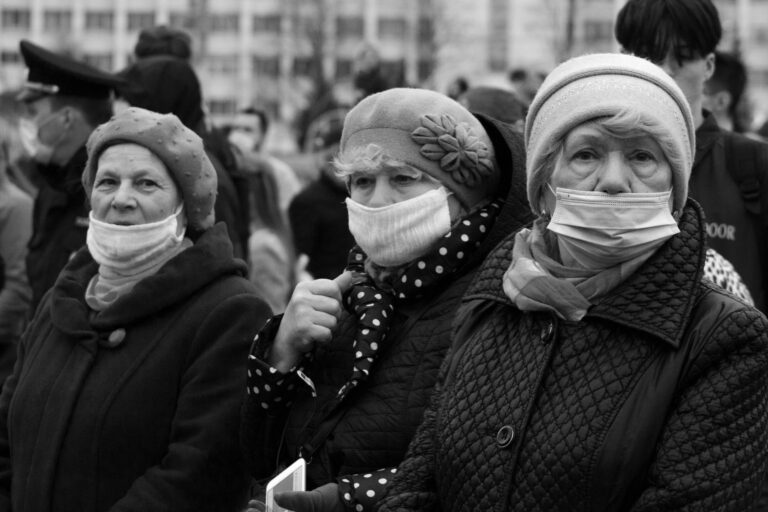
Yes, but with limits. People can use high-efficiency particulate air (HEPA) filters in their homes to reduce indoor PM2.5, which provides some cognitive protection — studies show HEPA filtration improves cognition in people with high baseline pollution exposure. Wearing N95 masks outdoors on high-pollution days reduces inhalation of particles, though this protects only the individual wearing the mask and is impractical as a long-term strategy.
Choosing to live in lower-pollution neighborhoods is an option if someone has the resources and mobility to do so, which most people do not. The limitation of individual action is that it doesn’t solve the underlying problem and reinforces inequality: wealthy people can afford HEPA filters, clean neighborhoods, and electric vehicles that reduce their personal pollution exposure, while poor people remain exposed. Individual masks and air filters are also a poor substitute for clean air — they’re uncomfortable, reduce oxygen intake during exercise, and create a false sense of protection that can actually delay political action to fix the source. The cognitive gains from individual mitigation are real but modest; population-level air quality improvements produce far larger benefits.
What Does the Timeline for Cognitive Benefit Look Like?
Cognitive improvements from air quality reductions don’t appear instantly — studies show detectable changes in cognition and decline rates within 1–3 years of significant pollution reduction, and continued improvement over 5–10 years. The effects are largest in people over 55 and in those with early-stage cognitive impairment, suggesting that while pollution damages the aging brain continuously, the damage can be partially reversed if exposure stops. A person who moves from a highly polluted city to a clean one typically shows measurable cognitive improvement within a year, measurable on standard neuropsychological tests.
The data from cities with the largest air quality improvements — such as Los Angeles after 1970s-1990s emission controls and recent improvements in parts of Europe and East Asia — show that each 10-microgram-per-cubic-meter reduction in PM2.5 is associated with approximately 0.5–1 year of preserved cognitive age. For a city of 10 million people reducing average PM2.5 by 20 micrograms per cubic meter, the population-level effect would prevent approximately 5,000–10,000 dementia cases within a decade, depending on baseline dementia incidence. The cost per dementia case prevented is typically $50,000–$200,000 when pollution control costs are amortized, compared to approximately $300,000–$400,000 annually for dementia care, making air quality improvement one of the most cost-effective dementia prevention strategies available.