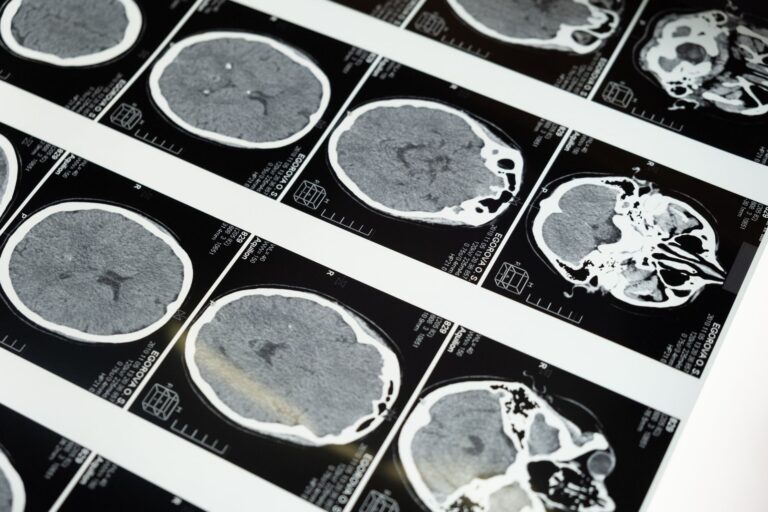
N95 masks are essential for brain health because they filter out fine particulate matter (PM2.5)—the microscopic pollution particles that penetrate deep into the brain and accelerate cognitive decline, including Alzheimer’s disease. When you breathe in PM2.5, these particles don’t stop in your lungs; they cross into the bloodstream and reach the brain, where they trigger inflammation and damage to neurons. Recent research from September 2025 shows that even short-term exposure to high PM2.5 concentrations leads to more severe Alzheimer’s pathology at autopsy, with increased amyloid plaques and tau tangles—the hallmark damage of Alzheimer’s disease—in people exposed just one year before death.
The stakes are staggering. A 2025 systematic review in Nature Aging linked PM2.5 exposure to a loss of 65 billion intelligence quotient (IQ) points globally, with children and older adults bearing the heaviest burden. The Lancet Commission on Dementia Prevention identified air pollution as one of only 14 modifiable risk factors for cognitive decline, meaning it’s a danger you can actually reduce. For anyone concerned about brain health—whether you’re caring for someone with dementia, managing cognitive changes yourself, or trying to prevent decline—understanding when and how to wear an N95 mask is no longer optional medical advice; it’s a practical defense against neurological harm.
Table of Contents
- How Air Pollution Damages the Brain and Why N95 Masks Block It
- The Science Behind Brain Damage from PM2.5 and When Damage Becomes Irreversible
- Reading the Air Quality Index and Knowing When to Mask Up
- Proper N95 Fit and Seal—Why Wearing a Mask Wrong Defeats Its Purpose
- What N95 Masks Cannot Protect Against—The Gaseous Pollutant Limitation
- Air Pollution’s Impact Across the Lifespan—From Fetal Development to Older Adulthood
- Building a Practical Mask Strategy for Your Situation
How Air Pollution Damages the Brain and Why N95 Masks Block It
air pollution harms the brain through multiple overlapping pathways. When you inhale PM2.5, these particles trigger inflammation of the nervous system, generate oxidative stress, activate microglial cells (the brain’s immune cells), and disrupt the blood-brain barrier that normally protects brain tissue. This cascade doesn’t just cause temporary cognitive fuzziness; it accelerates the accumulation of protein misfolding—amyloid and tau—that drives Alzheimer’s disease. In developing brains, the damage is even worse: neuronal cell damage from fine dust exposure in fetuses and infants can cause permanent brain damage that manifests as neurological disease in adulthood. N95 masks block at least 95 percent of airborne particles by design, making them fundamentally different from surgical masks or cloth masks. In real-world testing, N95 respirators reduced wildfire smoke exposure by a factor of 16—meaning someone wearing an N95 breathed in one-sixteenth the smoke of an unprotected person exposed to the same air.
Modeling studies suggest that if everyone in areas with heavy wildfire smoke wore N95 masks, approximately 30 percent of smoke-related hospital visits could be prevented, compared to only 17 percent with surgical masks. This isn’t theoretical; it’s a direct measure of the protection gap. A 2018 study conducted in Beijing during severe air pollution found that masks with filtration equivalent to N95, KN95, or FFP2 standards were most effective at filtering both PM2.5 and diesel soot. The science is consistent: proper N95 protection works. The catch—and it’s critical—is that effectiveness depends entirely on fit and seal. A loose-fitting mask, or one reused so many times that the filter material has degraded, loses most of its protective power.
The Science Behind Brain Damage from PM2.5 and When Damage Becomes Irreversible
Neurological damage from air pollution isn’t just inflammation that resolves when the air clears. Prolonged exposure leads to structural brain changes, alterations in neurotransmitter function, and chronic inflammation linked to Parkinson’s disease, depression, and anxiety. A 2024 systematic review in the journal Scientific Reports found that PM2.5 is significantly associated with progression of not only Alzheimer’s disease but also Parkinson’s, Huntington’s disease, multiple sclerosis, and epilepsy. This means air pollution doesn’t single out one disease; it accelerates a broad spectrum of neurological disorders, each through inflammatory and oxidative damage pathways. What makes this especially alarming is that damage accumulates quietly. You don’t feel acute symptoms from breathing PM2.5 the way you feel chest pain from wildfire smoke.
The damage happens at the cellular level—plaques building, neurons shrinking, inflammation spreading—over months and years. By the time cognitive symptoms appear, significant irreversible damage has already occurred. This is why prevention, not treatment after the fact, is the only rational approach. The risk is unevenly distributed. Global health data shows that low- and lower-middle-income countries experience disproportionate IQ loss from PM2.5 because air pollution there is often severe and N95 masks are less accessible. Even within wealthier countries, people without reliable information about air quality or mask effectiveness continue to breathe polluted air during high-pollution events, accumulating avoidable brain damage. This disparity underscores why public understanding of mask protection is not a luxury—it’s a matter of health equity.
Reading the Air Quality Index and Knowing When to Mask Up
Air quality is measured on the Air Quality Index (AQI), a scale that translates pollutant concentrations into practical guidance for how to behave outdoors. For people in sensitive groups—older adults, anyone with existing cognitive concerns, people with respiratory or heart disease—protective action should begin when the AQI reaches 51 to 100, classified as “Yellow” or “Moderate.” At this level, sensitive groups should avoid prolonged outdoor exertion and consider mask use if they must be outside for extended periods. For the general population, mask wearing becomes strongly recommended once the AQI exceeds 100, entering the “Unhealthy” category. At AQI 150 and above (“Unhealthy for Everyone”), everyone should seriously consider wearing an N95 mask for any outdoor time. When the AQI reaches 200 or higher (“Very Unhealthy”), health authorities explicitly recommend that everyone wear N95 respirators whenever outdoors.
These thresholds exist because at AQI levels above 100, the volume and toxicity of PM2.5 becomes significant enough to cause measurable physiological stress and accelerate the neurological damage pathways described above. A practical example: during wildfire season in the western United States, cities like Portland and San Francisco regularly see AQI readings in the 150 to 300 range. Residents of these areas during peak smoke events face a clear choice: breathe heavily polluted air and incur measurable cognitive harm, or wear an N95 mask and reduce their exposure by a factor of 16. For someone over 65, or anyone with a family history of Alzheimer’s, the choice is straightforward. Checking your local AQI before going outside is now as routine as checking the weather forecast.
Proper N95 Fit and Seal—Why Wearing a Mask Wrong Defeats Its Purpose
An N95 mask that doesn’t fit properly is barely better than no mask at all. The 95 percent filtration rating applies only when the mask creates an airtight seal around your nose and mouth. Common fitting mistakes—loose edges, gaps around the nose, straps that don’t pull the mask snugly—allow unfiltered air to leak past the filter material. If the seal is poor, you might be blocking 30 or 40 percent of particles instead of 95 percent, which still exposes you to significant PM2.5 and defeats the brain protection you’re seeking. To fit an N95 properly, hold the mask in your hands and place it over your nose and mouth. The metal strip along the top should be pressed and molded against the bridge of your nose so no air escapes there. The ear loops should pull the mask snug but not painfully tight. Once positioned, cup your hands over the mask and inhale sharply; you should feel the mask pull inward against your face.
If you feel air leaking from the sides or top, adjust and try the fit check again. If it still leaks, try a different size or style—N95 masks come in various sizes and shapes, and finding one that seals on your face is essential. Reuse also matters. The filter material in an N95 degrades with use and exposure to humidity from your breath. A mask used many times over weeks loses filtration capability. The CDC recommends that N95 masks can be reused if stored properly in a breathable paper bag between uses, but each mask has a finite lifespan. After heavy use or visible damage to the filter material, it’s time to replace it. For someone regularly exposed to poor air quality—say, someone living in an area with frequent wildfire smoke or urban pollution—buying a supply of fresh N95 masks is a legitimate health investment, not an extravagance.
What N95 Masks Cannot Protect Against—The Gaseous Pollutant Limitation
While N95 masks excel at blocking particulate matter (PM2.5), they offer limited defense against gaseous air pollutants like nitrogen dioxide (NO₂), sulfur dioxide (SO₂), and ozone (O₃). These gases pass through N95 filter material because they are not particles; they are molecules that diffuse through even high-quality filters. In cities with heavy vehicle traffic or industrial emissions, these gaseous pollutants can be significant contributors to air pollution alongside PM2.5, and an N95 mask will not protect your brain from the damage they cause. This limitation is important to understand so you don’t overestimate your protection. In an area with high ozone levels on a hot summer day, wearing an N95 will reduce your PM2.5 exposure but won’t eliminate your overall pollutant exposure.
The best approach is to monitor both the AQI and the specific breakdown of pollutants (many local air quality apps show PM2.5, NO₂, SO₂, and ozone separately) and adjust your outdoor time accordingly. On days when gaseous pollutants dominate the air pollution profile, even an N95 mask offers incomplete protection, and the safest choice may simply be to stay indoors and use a high-efficiency particulate air (HEPA) filter in your home. Additionally, mask wearing itself creates minor physiological changes. A 2023 study published in Frontiers in Neurology found that wearing KN95 masks for extended periods caused measurable short-term changes in resting-state brain function and neural connectivity, with researchers proposing that CO₂ accumulation inside the mask may play a role. This doesn’t mean masks are harmful—the cognitive benefit of filtering PM2.5 far outweighs these temporary changes—but it does mean masks are not a perfect solution to be worn indefinitely. They are a tool for high-pollution days, not a permanent addition to your outdoor life.
Air Pollution’s Impact Across the Lifespan—From Fetal Development to Older Adulthood
The window of vulnerability to air pollution extends from before birth through the end of life. Fetuses exposed to high PM2.5 in the womb can experience permanent neuronal damage that manifests as developmental delays or neurological conditions in childhood and adulthood. Infants and young children breathing polluted air face a similar risk—the developing brain is exquisitely sensitive to inflammation and oxidative stress, and damage incurred during these critical periods cannot be fully repaired later.
In older adults, particularly those over 60, air pollution accelerates existing cognitive decline. Studies of older people in high-pollution cities show measurable cognitive loss compared to age-matched peers in low-pollution areas. For someone already experiencing mild cognitive impairment or in the early stages of dementia, air pollution acts as an accelerant, speeding the progression of disease. This is why N95 masks become especially important for older adults and anyone with cognitive concerns—the brain damage you’re preventing is not hypothetical future risk but active ongoing damage happening right now.
Building a Practical Mask Strategy for Your Situation
There is no one-size-fits-all masking recommendation because air quality, personal health history, and daily routines vary widely. Someone living in a metropolitan area with frequent wildfire smoke needs a different strategy than someone in a region with stable, clean air. Similarly, a caregiver for someone with Alzheimer’s disease should prioritize the highest level of air quality protection for their care recipient, knowing that air pollution accelerates cognitive decline in people already living with dementia. A practical approach: obtain a supply of properly-fitted N95 masks (a ten-pack is inexpensive and lasts through several high-pollution episodes).
Check your local AQI daily during seasons when air quality typically degrades (wildfire season, winter inversion season, high-traffic periods). When the AQI enters the yellow or orange range, keep a mask with you. When it climbs above 100, wear the mask for outdoor time. Store masks in a breathable container, not an airtight bag, and replace them if the filter material tears or becomes visibly contaminated. This simple routine, sustained over time, prevents thousands of particles from ever reaching your lungs and brain, and in doing so, protects your cognitive future.
- —