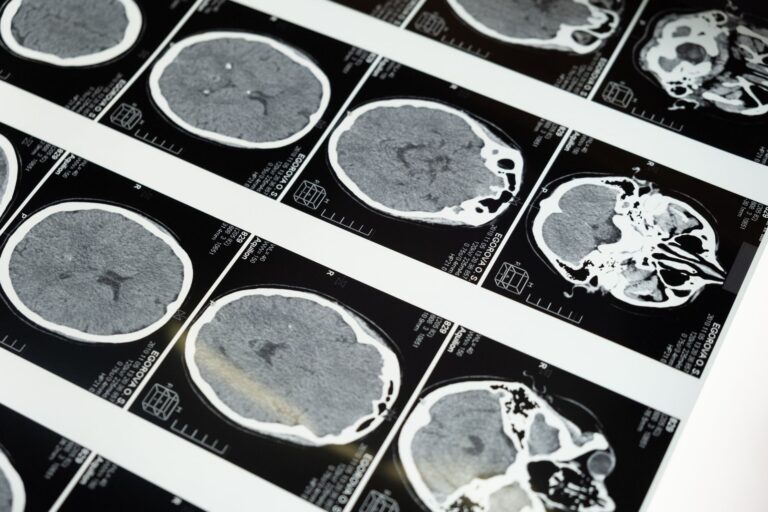
Tightening EPA air quality standards could help reduce dementia risk across the nation by limiting exposure to particulate matter and air pollutants that damage the aging brain—but the mechanism is complex and the long-term health data is still emerging. When the EPA lowered allowable particulate matter (PM2.5) standards in 2024, the justification included not only respiratory benefits but also preliminary evidence linking chronic air pollution exposure to accelerated cognitive decline and increased dementia diagnoses. A city that transitions from consistently failing air-quality benchmarks to meeting stricter standards doesn’t see immediate cognitive improvements in its elderly population, but sustained exposure reduction over years may flatten the trajectory of neurodegenerative disease incidence.
The economic argument follows: if air-standard improvements prevent even a fraction of expected dementia cases in a given cohort, the avoided healthcare costs, caregiver burden, and lost productivity could run into the billions. However, the actual dollar benefit—the “trillion” in the headline—depends on assumptions about causation, lag time, and disease prevention that remain subject to scientific debate. Researchers have not yet conclusively tied specific reductions in PM2.5 to measurable reductions in dementia prevalence, partly because dementia takes decades to develop and air-quality controls are relatively recent.
Table of Contents
- How Does Air Pollution Reach the Brain and Trigger Cognitive Decline?
- What Does the Current Evidence Really Tell Us About EPA Standards and Dementia Prevention?
- Which Populations Face the Highest Risk from Air Pollution and Stand to Gain the Most?
- The Economics of Stricter EPA Standards: Who Pays and Who Profits?
- The Lag Problem: How Long Before Air-Quality Improvements Translate to Fewer Dementia Cases?
- Who Benefits Most: Age and Neurological Vulnerability in Polluted Areas
- Measuring Success: What Metrics Would Prove Air-Quality Standards Prevent Dementia?
- Frequently Asked Questions
How Does Air Pollution Reach the Brain and Trigger Cognitive Decline?
Fine particulate matter (particles smaller than 2.5 micrometers) can travel deep into the lungs and potentially cross into the bloodstream, reaching the brain via multiple routes—through the nose to the olfactory bulb, through inflammatory pathways that damage the blood-brain barrier, or through systemic inflammation that accelerates amyloid-beta accumulation and tau tangle formation. Studies in animals and some human observational data suggest that chronic exposure to elevated PM2.5 correlates with biomarkers of neurodegeneration, including microglial activation and neuroinflammation. The effect does not happen overnight; decades of exposure to polluted air may prime the brain for cognitive decline, making pollution a risk factor comparable in some research to smoking or untreated diabetes.
The mechanism is not fully understood, and different populations may respond differently. An elderly person with pre-existing cardiovascular disease or metabolic syndrome might experience accelerated neuroinflammation from the same air-pollution dose as a healthier peer. Additionally, most of the evidence linking air quality to cognition comes from observational studies (which cannot prove causation) rather than randomized trials (which are not ethically feasible for long-term pollution exposure). A city’s demographic shift, migration patterns, and healthcare-access changes can confound results, making it difficult to isolate the pollution signal.
What Does the Current Evidence Really Tell Us About EPA Standards and Dementia Prevention?
The evidence is suggestive but incomplete. Multiple cross-sectional and longitudinal studies have found associations between higher air-pollution exposure and lower cognitive scores, faster cognitive decline, or higher dementia diagnosis rates, particularly in populations over 65. However, very few studies have measured whether actual EPA regulation-driven improvements in air quality produce measurable reductions in dementia incidence. This is partly because regulations take years to implement, populations move, medical diagnoses evolve, and dementia pathology can be silent for a decade before symptoms appear.
Some research indicates that pollution reduction in specific cities (for example, after a major industrial plant closure or a regional emissions cap) correlates with improved cognitive outcomes in elderly cohorts, but sample sizes are often small and alternative explanations abound. Cost-benefit analyses that estimate dementia-prevention value from tighter EPA standards must extrapolate from animal studies, observational associations, and mechanistic reasoning—not from direct proof that an EPA rule prevented dementia. A major limitation is that dementia is multifactorial: genetics, cardiovascular health, social engagement, cognitive reserve, and education all play substantial roles, making it difficult to attribute any single case or cohort-level change to air quality alone. The absence of current epidemiological proof does not mean air-quality standards have no neurological benefit; it means the benefit is harder to measure than the benefit to lung function.
Which Populations Face the Highest Risk from Air Pollution and Stand to Gain the Most?
Low-income and communities of color in the United States have long experienced disproportionate air-pollution exposure, owing to the siting of highways, ports, refineries, and industrial zones in or near residential neighborhoods. A neighborhood downwind of a major freeway in Los Angeles, or near a petrochemical complex in Louisiana, has residents—including older adults—exposed to consistently higher PM2.5 and nitrogen dioxide than affluent areas across town. When EPA standards tighten, these neighborhoods benefit first because they have the most to gain: moving from dangerously high baseline pollution to moderate pollution represents a larger reduction in exposure than a small incremental cut in already-clean air.
However, compliance costs may fall unevenly. Industries may relocate operations, reduce local hiring, or pass compliance costs to consumers, and these economic shifts can burden the same communities that benefit from cleaner air. An elderly person with mild cognitive impairment living in a pollution-heavy zone may experience reduced dementia progression risk if air improves, but if that improvement requires factory closure and local job losses, the resulting economic stress and reduced healthcare access could offset the health gain. Measuring net community benefit requires accounting for both air-quality change and broader economic and social outcomes.
The Economics of Stricter EPA Standards: Who Pays and Who Profits?
Industries subject to EPA emission limits—power plants, refineries, vehicle manufacturers, chemical producers—face capital costs to upgrade equipment, modify processes, and monitor compliance. These costs are often cited as counterarguments to stricter standards, and in the short term, they are real: a coal-fired power plant may spend hundreds of millions to install scrubbers or retire early, and a vehicle manufacturer must redesign engines and catalytic systems. Conversely, avoided healthcare costs, reduced lost productivity, and extended working years in a population with lower dementia risk represent economic gains that may dwarf compliance outlays—but these gains are diffuse, delayed, and harder to attribute to a single regulation.
A hypothetical scenario illustrates the tradeoff: if a new EPA PM2.5 standard costs industry $50 billion to implement over ten years, but prevents even a small fraction of the 120,000 annual dementia diagnoses in the U.S., the avoided long-term care costs could exceed $500 billion (dementia care costs the U.S. roughly $290 billion per year). However, the “$50 billion in compliance” versus “$500 billion in avoided care costs” comparison is imperfect because some of that healthcare saving would have occurred anyway through other interventions, and the dementia prevention may never fully materialize if causation is weaker than current evidence suggests.
The Lag Problem: How Long Before Air-Quality Improvements Translate to Fewer Dementia Cases?
A critical limitation of the trillion-dollar-benefit argument is the time lag. Dementia develops over decades, and a person exposed to high pollution in their 60s may not show symptoms until their 80s or may die of other causes first. If the EPA tightens standards today, the measurable cognitive benefits in the population may not emerge for 15 to 30 years, making it impossible to conduct a controlled before-and-after study within a typical research or policy-review window. This lag also means that today’s elderly population, who bear much of the dementia burden, will see little personal benefit from new EPA rules; the benefit accrues to younger cohorts who will experience lower cumulative pollution exposure over their lifetime.
Additionally, competing trends complicate attribution. Medical advances may lower dementia incidence through better blood-pressure control, statin use, or cognitive engagement, independent of air quality. Conversely, worsening climate-related heat stress, increased ozone formation, or changes in pollen and allergen patterns could offset air-quality gains. A city that meets new EPA standards for PM2.5 but experiences rising temperatures and longer wildfire seasons may not see the expected dementia-prevention benefit.
Who Benefits Most: Age and Neurological Vulnerability in Polluted Areas
Older adults, particularly those over 75, and individuals with existing cognitive impairment or neurodegenerative disease are most vulnerable to the neuroinflammatory effects of air pollution. A person with mild cognitive impairment living in a high-pollution area faces a steeper risk of progression to dementia than an age-matched peer in a low-pollution zone. Some evidence suggests that people with genetic risk factors for Alzheimer’s disease (such as APOE4 carriers) may be especially sensitive to pollution’s neurological effects.
In this sense, EPA air-quality improvements could act as a secondary or tertiary prevention tool—not preventing all dementia, but slowing progression in at-risk groups. A concrete example: An 80-year-old woman in an industrial neighborhood with chronic mild cognitive impairment and exposure to PM2.5 levels 50% above the old EPA standard might experience cognitive decline at a rate of 2–3 points per year on standard cognitive tests. If air quality improved to the new standard, research suggests she might decline at 1–2 points per year, delaying her diagnosis of dementia by several years. Those extra years matter for quality of life, independence, and family planning, even if dementia eventually arrives.
Measuring Success: What Metrics Would Prove Air-Quality Standards Prevent Dementia?
Proving that EPA air-quality standards reduce dementia risk requires long-term epidemiological surveillance systems that track both air quality and cognitive outcomes in the same population, adjusted for confounders. Ideally, researchers would compare dementia incidence before and after EPA standard changes in regions that experienced different degrees of air-quality improvement, controlling for demographic shifts, healthcare access, and other risk factors. Some countries and large research consortia (such as the Health and Retirement Study in the U.S.
or the European Study of Cohorts for Air Pollution Effects) collect this data, but deriving causal estimates remains challenging because randomization is impossible and study duration is limited. A warning: absence of clear epidemiological proof should not be interpreted as evidence that air-quality standards have no neurological benefit. Many public-health interventions—such as lead removal from gasoline in the 1970s and 1980s—showed cognitive benefits (in that case, higher IQ in children) only after retrospective analysis decades later. Conversely, the assumed benefit should be held to scientific scrutiny; if air-quality improvements do not tangibly reduce dementia incidence over the next 20 years, the cost-benefit analysis would shift, and resources might be better directed to other dementia-prevention strategies.
Frequently Asked Questions
Does pollution definitely cause dementia?
Research suggests chronic air pollution is a risk factor for cognitive decline and dementia, but it is not a direct cause. Many people live in polluted areas their whole lives and never develop dementia; genetics, cardiovascular health, and other factors matter greatly. Air pollution appears to accelerate cognitive aging and increase risk, not trigger dementia on its own.
How much dementia could EPA air-quality improvements actually prevent?
That is unknown. Some research suggests tighter standards could modestly reduce dementia incidence (perhaps 5–15% in highly polluted regions over decades), but direct evidence is lacking. The “trillion-dollar” estimate is extrapolated from healthcare costs and hypothetical prevention rates, not from observed outcomes.
Will I see cognitive benefits from cleaner air in my lifetime?
If you are already elderly, probably not significantly. Dementia prevention benefits from air-quality improvements accrue over decades and appear most pronounced in cohorts exposed to lower pollution throughout their working and middle-aged years. Cleaner air may slow cognitive decline in people with early memory loss, but it is not a cure or guaranteed prevention.
Are low-income neighborhoods the only areas affected by pollution?
No. Pollution-related cognitive risk exists in all communities, but low-income and communities of color experience higher baseline exposure and greater cumulative damage over lifetimes. Affluent areas also benefit from stricter standards, albeit starting from lower baseline pollution levels.
How do I advocate for better air quality in my area?
Support local and regional air-quality monitoring, attend public comment periods for EPA rules, engage with environmental health organizations, and track air-quality data for your ZIP code via AirNow.gov or your state’s environmental agency. Individual actions like reducing driving and supporting renewable energy help, but systemic change requires policy engagement.
Could air-quality improvements help people who already have dementia?
Possibly, but not by reversing the disease. In theory, cleaner air might slow cognitive decline or reduce behavioral symptoms in people with mild-to-moderate dementia, but no strong evidence yet supports this. Air quality is one part of a dementia-care strategy that should include cardiovascular management, cognitive stimulation, and social engagement.