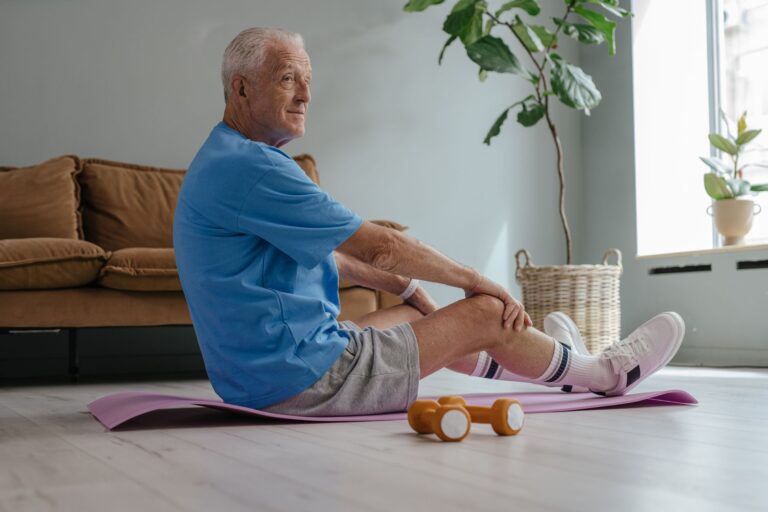
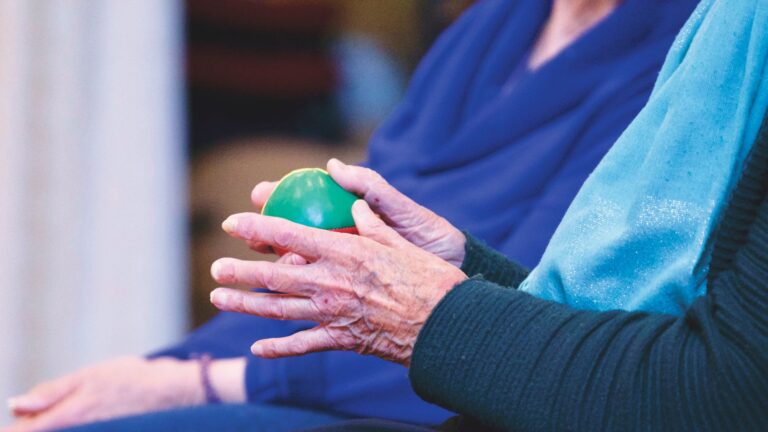
Making exercise safer for a parent with dementia requires three foundational changes: supervision during all physical activity to prevent falls and confusion, simplified routines that match their current cognitive abilities rather than past fitness levels, and frequent monitoring for signs of overexertion or distress. A parent who exercised regularly before their diagnosis may resist starting at a walking speed of 2 mph or doing just ten minutes of activity, but their body’s capacity has genuinely changed—and pushing too hard risks injury or triggering behavioral distress that makes future exercise even harder. The safety challenge isn’t about preventing movement; it’s about reimagining what exercise looks like when memory loss, balance problems, and decreased awareness of body signals are all in play. Someone with moderate dementia might forget they’re supposed to be stretching, attempt unsafe movements they remember from decades ago, or not realize their ankle is twisted until significant damage occurs.
Table of Contents
- Why Dementia Changes Exercise Safety Requirements
- Fall Prevention as Your Primary Exercise Constraint
- Tailoring Exercise Type to Cognitive Stage
- Building a Realistic Exercise Schedule That You Can Sustain
- Monitoring for Overexertion and Hidden Health Risks
- Using Assistive Equipment and Environmental Setup
- Medication Timing and Drug-Exercise Interactions
Why Dementia Changes Exercise Safety Requirements
Dementia affects the brain systems that control balance, proprioception (sense of where your body is in space), and risk assessment—not just memory. A parent might feel steady while standing but actually be seconds away from a fall because the part of their brain monitoring balance is deteriorating. This makes even low-impact activities like gentle yoga or tai chi potentially risky without someone watching for weight shifts, reaching patterns, or stumbling. Additionally, dementia impairs the ability to communicate pain or discomfort. A parent might twist their knee, feel the initial pain, but then forget the injury happened or be unable to tell you about it.
By the time you notice they’re limping, a minor sprain may have worsened into a more serious injury. This is why self-directed exercise—a parent doing home videos alone or walking solo—becomes genuinely unsafe at moderate stages of cognitive decline. Medication side effects also compound the risk. Many dementia patients take antipsychotics, blood pressure medications, or sleeping pills that increase dizziness, drowsiness, or dehydration. Exercise during peak medication effect (typically 1-2 hours after the morning dose) is riskier than exercise later in the day when levels have metabolized partially.
Fall Prevention as Your Primary Exercise Constraint
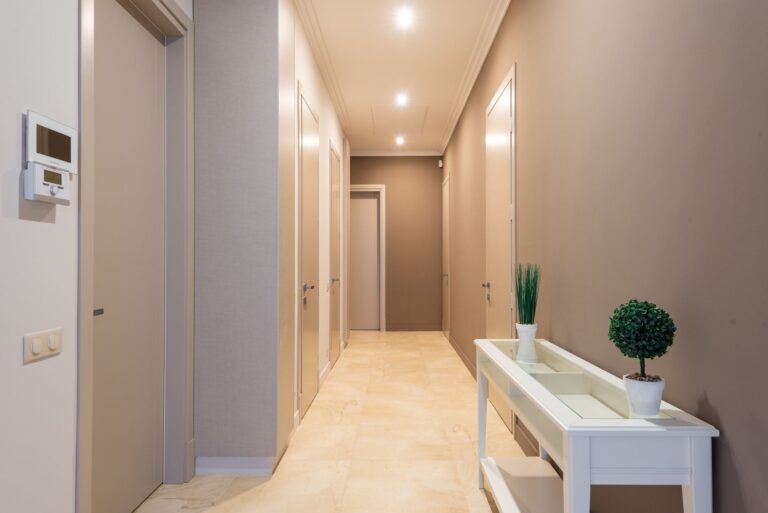
Falls are the leading injury cause in people with dementia, and a single fall can trigger a cascade of complications—fractures leading to immobility, immobility leading to muscle loss and deconditioning, which then increases fall risk again. This means fall prevention becomes more important than the exercise intensity itself. A parent doing 15 minutes of safe, supervised walking has achieved far more benefit than a 45-minute unmodified routine that ends with them on the floor. Environmental modifications are non-negotiable. Remove throw rugs, clear pathways of clutter, ensure adequate lighting (dementia patients often have vision problems and don’t adapt well to dim spaces), and install grab bars in hallways and bathrooms.
Wearing sturdy, closed-toe shoes with good grip during exercise is essential—not sneakers that are worn down or socks with slippery bottoms. A major limitation of fall-prevention advice is that it requires constant vigilance. Your parent can’t self-police for trip hazards or remember to walk slowly. You or a caregiver must be physically present, watching their feet, ready to steady them, and keeping one hand free to assist. This demands a level of attention that’s exhausting—and many adult children underestimate the stamina required to supervise a 20-minute walk without losing focus.
Tailoring Exercise Type to Cognitive Stage
The type of safe exercise shifts as dementia progresses. In early stages, modified versions of their previous activities—walking trails they know, swimming in a familiar pool with someone poolside—can work because they retain some procedural memory. In moderate stages, simplicity becomes critical: walking on flat, familiar ground; seated exercises with you providing verbal cues; or water aerobics where buoyancy reduces fall risk. A real example: a mother with moderate dementia who was a dancer might feel confident attempting ballet-like movements because muscle memory partially remains.
But without supervision, she might attempt a grand plié that destabilizes her balance, or move into a rotation her joints aren’t ready for. The same motion becomes safe if you’re standing beside her, giving permission (“gentle bend now, that’s right”), ready to catch her, and providing tactile feedback about which direction her weight should shift. In late-stage dementia, exercise shifts to passive range-of-motion (moving their arms and legs for them while they sit or lie down) and sensory engagement through movement—being outdoors for a slow, supported walk, or dancing to music while seated with you providing stability. These count as exercise because they maintain mobility and reduce contractures (permanent muscle tightness).
Building a Realistic Exercise Schedule That You Can Sustain
The best exercise routine is one you can actually do consistently—not an ambitious plan that burns you out. Many caregivers overcommit to daily 30-minute sessions and quit after two weeks. A sustainable routine might be three 15-minute sessions per week, spread on non-consecutive days to avoid fatigue. Timing matters significantly. Exercise your parent when they’re most alert and cooperative, not during their sundowning period (late afternoon confusion and agitation that’s common in dementia).
If your parent is calm and responsive in the morning, that’s exercise time. If they’re confused and irritable by 5 p.m., don’t schedule activity then. You’ll spend the whole session redirecting and reassuring instead of allowing movement. The tradeoff is that optimal timing might not match your schedule. You might be busiest in the morning when your parent would be most receptive to exercise. In that case, a 10-minute walk at an inconvenient time is vastly better than a 30-minute session you resent doing at a time when your parent is already distressed.
Monitoring for Overexertion and Hidden Health Risks
One of the most underestimated dangers is overexertion. A parent with mild dementia might say “I feel fine” while their heart rate is dangerously elevated or their body is severely dehydrated. You need to watch for physical signs: excessive sweating, rapid or labored breathing, facial flushing, or a look of confusion or panic. These are signs to stop immediately, even if your parent insists they want to continue. Dehydration is particularly deceptive. Dementia can damage the thirst mechanism—your parent genuinely won’t feel thirsty and won’t ask for water.
Offer water frequently before, during, and after exercise, and monitor for signs of dehydration: reduced urination, dry mouth, or lethargy. On warm days, the risk accelerates dramatically. A 20-minute walk that’s fine in cool weather can be dangerous in summer without aggressive hydration. A critical warning: some dementia patients have undiagnosed heart conditions, previous strokes, or blood pressure instability that makes intense exercise dangerous. Before starting any new exercise program, discuss it with their doctor. They may need pre-exercise vital signs monitoring or clearance that this parent is safe for sustained activity. Don’t assume “a little walking” is inherently safe—get medical clearance first.
Using Assistive Equipment and Environmental Setup
Walkers, canes, or gait belts (a belt you can hold to provide stability and prevent falls if they stumble) are practical tools, not admissions of decline. A parent using a walker that keeps them upright and mobile has a far better quality of life than someone who’s sedentary out of fear of falling. Gait belts are especially valuable during supervised exercise because they let you stabilize your parent without trying to catch them if they suddenly loses balance—you guide them safely down instead of both of you landing on the floor.
An example: a father with moderate dementia can do water aerobics in the shallow end of a pool where the water provides natural support and buoyancy. The warmth of the pool also helps relax stiff muscles and can reduce joint pain, making the activity both safer and more comfortable than land-based exercise. This is why water-based exercise is often the highest-quality option for dementia patients, though it requires access to a pool and someone supervising in or very near the water.
Medication Timing and Drug-Exercise Interactions
Your parent’s exercise schedule must account for when medications peak and how those drugs affect physical capacity. A blood pressure medication that causes dizziness will impair balance most in the first 2-3 hours after dosing. A sedating sleep aid taken the evening before lingers into the next morning, affecting coordination.
Reviewing your parent’s medication schedule with their pharmacy before setting exercise times prevents exercising during high-risk windows. Some medications used for behavioral management in dementia directly increase fall risk—antipsychotics cause sedation and postural hypotension (sudden drops in blood pressure when standing). If your parent starts a new behavioral medication, discuss fall risk with their neurologist before assuming the same exercise routine is still safe. The medication might require supervising them during activity or temporarily reducing exercise intensity until their body adjusts.