The specific type of dementia a person develops fundamentally shapes how their disease will progress, which treatments might help, and what daily life will actually look like for the entire family. Alzheimer’s disease, vascular dementia, Lewy body dementia, and frontotemporal dementia are not just medical labels—they point to different patterns of brain damage that produce different symptoms, timelines, and care needs. A family planning for Alzheimer’s cannot simply apply the same playbook to a relative diagnosed with frontotemporal dementia, because the behavioral and cognitive changes will unfold in completely different ways.
Knowing the subtype matters because it helps families understand what to expect, which support services to pursue, and how to adjust their caregiving approach before crisis points arrive. When a family hears “dementia” without understanding the specific subtype, they often waste months or years on interventions that won’t work, experience unexpected behavioral crises they weren’t prepared for, and struggle to find accurate information that applies to their situation. The difference between an accurate diagnosis and a generic one can mean the difference between a family that anticipates changes and adapts, and one that constantly finds itself shocked and scrambling.
Table of Contents
- What Makes Each Dementia Subtype Behave Differently?
- How Subtype Diagnosis Changes the Medical Treatment Plan
- Behavioral Changes and What to Expect in the Middle Stages
- Choosing Care Settings and Support Services Based on Subtype Needs
- The Risk of Misdiagnosis and When to Seek a Second Opinion
- How Progression Speed Varies by Subtype
- Genetic and Familial Patterns Connected to Specific Subtypes
- Frequently Asked Questions
What Makes Each Dementia Subtype Behave Differently?
Each dementia subtype involves damage to different regions of the brain, which is why the symptoms diverge so dramatically. Alzheimer’s disease typically begins by eroding the hippocampus and spreading outward, which is why memory loss is often the first noticeable symptom. Vascular dementia, caused by reduced blood flow to the brain from strokes or vessel disease, can produce symptoms that are more abrupt and variable depending on which brain regions are affected.
Lewy body dementia involves the buildup of abnormal protein deposits called Lewy bodies throughout the brain, triggering hallucinations, movement problems, and extreme sleep disturbances that most families do not anticipate. Frontotemporal dementia, which damages the frontal and temporal lobes first, often produces profound personality changes and behavioral problems that can arrive before any noticeable memory loss. A person with frontotemporal dementia might become angry, impulsive, or socially inappropriate in ways that baffle family members who expected the gradual memory decline they associate with “dementia.” Someone with Lewy body dementia, by contrast, might have relatively intact memory early on but experience vivid hallucinations of people or animals in their home, causing intense fear. The same word “dementia” describes very different diseases with very different trajectories.
How Subtype Diagnosis Changes the Medical Treatment Plan
Obtaining an accurate subtype diagnosis, not just a general dementia diagnosis, should inform medication choices and treatment expectations from the start. Medications that slow decline in Alzheimer’s disease—such as aducanumab or newer amyloid-targeting drugs—have no proven effect in frontotemporal or lewy body dementia. A family that doesn’t know their relative has Lewy body dementia might push for an Alzheimer’s medication that won’t help and could even cause harmful side effects. Antipsychotic medications, which some doctors prescribe for behavioral symptoms, can be dangerous and life-threatening in Lewy body dementia but might be considered in other subtypes under different circumstances.
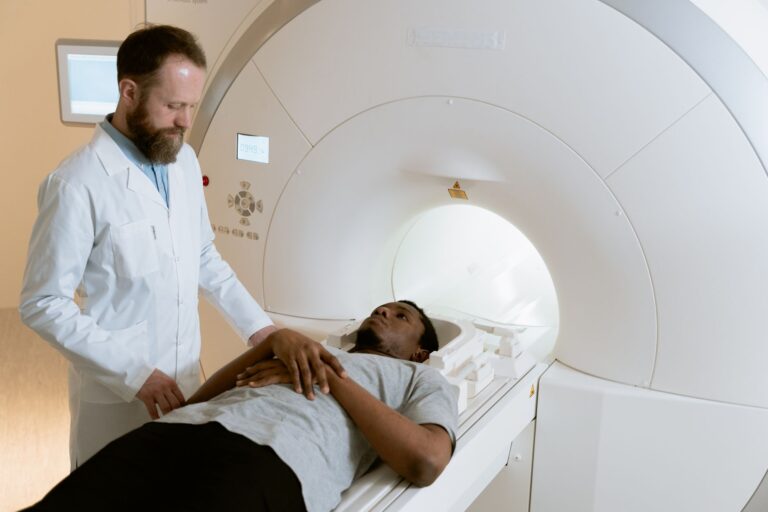
The challenge is that definitive diagnosis of dementia subtype often requires a brain autopsy, which only happens after death. During life, doctors can reach a probable diagnosis through cognitive testing, brain imaging, and specialist evaluation, but there is always some uncertainty. A neurologist might say “probable Alzheimer’s disease” with 85% confidence, meaning there is still a 15% chance the actual pathology is something else. Families must understand this uncertainty and recognize that their care plan might need adjustment if the person’s symptoms diverge from the expected pattern for their presumed diagnosis. Waiting months for a specialist evaluation that still carries uncertainty can be frustrating, but skipping the evaluation entirely means making all caregiving decisions without crucial information.
Behavioral Changes and What to Expect in the Middle Stages
The behavioral and personality changes that emerge in dementia are heavily influenced by which brain regions are damaged first. In Alzheimer’s disease, behavioral problems like agitation, wandering, or aggression typically emerge in the middle to later stages as memory loss becomes severe and the person loses their sense of context and safety. Families often report that these behaviors appear after years of relatively intact personality. In Lewy body dementia, behavioral symptoms can be driven by the hallucinations themselves—a person seeing threatening figures in their room will naturally become frightened and defensive, and no amount of reassurance will convince them the hallucination is not real.
Frontotemporal dementia creates a distinct behavioral problem set that catches families off guard because it can look nothing like classic dementia. A previously responsible, careful person might become hypersexual, make reckless financial decisions, or develop an inappropriate sense of humor. They might lose the ability to empathize with family members’ concerns and seem selfishly indifferent to the impact their behavior has on others. These changes stem from damage to the regions that govern impulse control and social awareness, not from memory loss. A family expecting gradual memory decline finds instead that their relative has become a different person behaviorally—and this shift often feels crueler because the person still has reasonable memory early on, making their socially inappropriate behavior seem chosen rather than symptomatic.
Choosing Care Settings and Support Services Based on Subtype Needs
The specific subtype should guide decisions about living arrangements and professional support. Someone with advanced Lewy body dementia often needs a care environment where staff understand that antipsychotics are risky, that hallucinations require reality-checking techniques rather than medication, and that sleep disturbances are a core feature requiring special scheduling. A standard memory care facility might not have specialized training in Lewy body features and could inadvertently escalate behaviors through inappropriate medication. By contrast, someone with vascular dementia might benefit from physical therapy and stroke-prevention strategies that would not apply to Alzheimer’s disease.
Adult day programs vary in their focus—some specialize in memory-focused activities, others in physical rehabilitation, others in behavioral support. A family choosing between programs should ask whether the staff have experience with their relative’s specific subtype and whether the program addresses the primary symptoms their relative experiences. A facility that offers wonderful cognitive stimulation but has no plan for managing hallucinations and sleep problems is not the right fit for someone with Lewy body dementia. Similarly, a family hiring in-home caregivers should explicitly communicate which subtype they are dealing with and what behavioral patterns to expect, so caregivers are not shocked or defensive when difficult behaviors emerge.
The Risk of Misdiagnosis and When to Seek a Second Opinion
Many people receive a dementia diagnosis—often Alzheimer’s disease—without ever seeing a neurologist or specialist. A primary care physician can recognize that someone has dementia based on cognitive testing, but they may not have the expertise to distinguish between subtypes. This misdiagnosis matters because a family might spend years preparing for one disease only to discover that their relative has a different disease with entirely different progression and needs. Some families report that their relative was diagnosed with Alzheimer’s, treated accordingly for years, and only received a revised diagnosis of Lewy body or frontotemporal dementia when behaviors or symptoms diverged sharply from the Alzheimer’s pattern.
Seeking a specialist opinion—from a neurologist, geriatrician, or dementia specialist—is worth pursuing early, especially if the person’s symptoms seem atypical or if the family senses that standard advice is not applying to their situation. A second opinion from a specialist might confirm the initial diagnosis or might reveal that the disease is something else entirely. The drawback is that specialist appointments can involve long waits, travel, and costs that are not always covered by insurance. Some families find that by the time they secure a specialist evaluation, the disease has progressed so far that the distinction feels academic. Yet families who do obtain a clear subtype diagnosis from a specialist consistently report that it reduced their anxiety and helped them make better-informed decisions about care.
How Progression Speed Varies by Subtype
Families often ask how long someone will live after a dementia diagnosis, and the answer depends significantly on subtype. Alzheimer’s disease typically progresses over 8-12 years from diagnosis to death, though this varies widely. Vascular dementia can progress more quickly or more slowly depending on the number and location of strokes and the person’s cardiovascular health.
Lewy body dementia often progresses faster than Alzheimer’s, sometimes over 5-8 years, and the hallucinations and sleep problems can cause secondary health problems that accelerate decline. Frontotemporal dementia is often more aggressive, sometimes progressing over 3-10 years, with profound behavioral and personality changes that can be exhausting for families to manage. These timelines are estimates with wide variation—some people progress much faster, others much slower, and individual circumstances like overall health, other medical conditions, and access to good care all influence the course. A family should not treat these timelines as predictions for their relative’s specific situation, but rather as a framework for understanding whether they are looking at a disease that might progress over years or one that might shift rapidly.
Genetic and Familial Patterns Connected to Specific Subtypes
Some dementia subtypes run in families, which matters for both the diagnosed person and their adult children who may wonder about their own risk. Alzheimer’s disease has a genetic component, particularly when it occurs before age 65 (early-onset Alzheimer’s), where mutations in genes like APP, PSEN1, and PSEN2 can cause inherited forms. Frontotemporal dementia is more likely to be hereditary than other subtypes—30-40% of people with frontotemporal dementia have a family history of the disease. A person diagnosed with frontotemporal dementia should be informed that their adult children have a higher likelihood of developing dementia themselves and might want to discuss this with a genetic counselor.
Families should ask their doctor whether the diagnosed person’s type of dementia has a genetic component and whether genetic testing or counseling is available. This information does not change the immediate care for the person with dementia, but it does affect how adult children think about their own health, whether they pursue preventive measures or screening, and whether they want to plan differently for their own futures. Some adult children find this information motivating to make lifestyle changes known to reduce dementia risk. Others experience anxiety about their own future. Either way, knowing whether familial risk applies to their situation allows them to make informed choices rather than operating in uncertainty.
Frequently Asked Questions
Can a doctor always tell which type of dementia someone has based on symptoms alone?
Not reliably. A neurologist can make an educated “probable” diagnosis based on symptom patterns and brain imaging, but definitive diagnosis often requires a brain autopsy. Ask your doctor about their confidence level in the diagnosis and whether specialist evaluation or imaging might improve diagnostic certainty.
Do all dementia medications work for all types of dementia?
No. Medications designed to slow Alzheimer’s disease progression have not been proven effective in Lewy body, vascular, or frontotemporal dementia. Some medications can actually be harmful in certain subtypes—for example, antipsychotics can be dangerous in Lewy body dementia. Knowing the subtype helps your doctor choose medications that have evidence in that specific disease.
If my parent has Lewy body dementia, am I at risk of developing it?
Lewy body dementia can run in families, but most cases are not inherited. Ask your doctor whether your parent’s specific case has genetic risk factors and whether genetic testing would be helpful. Lifestyle factors like cardiovascular health, cognitive engagement, and physical activity reduce dementia risk regardless of family history.
What should I do if my relative’s symptoms don’t match the diagnosis they were given?
Mention this to their doctor. Diverging symptoms might indicate that the diagnosis needs revision, or might simply reflect the high variability in how each person experiences the disease. If the doctor dismisses your concern, seeking a specialist opinion (neurologist or dementia specialist) can clarify whether the diagnosis is accurate.
Is there any way to prevent one type of dementia over another?
Prevention strategies like cardiovascular health, cognitive stimulation, sleep quality, and social engagement reduce dementia risk broadly, but there is no way to selectively prevent one subtype. Vascular dementia is most directly preventable through stroke and cardiovascular disease prevention.