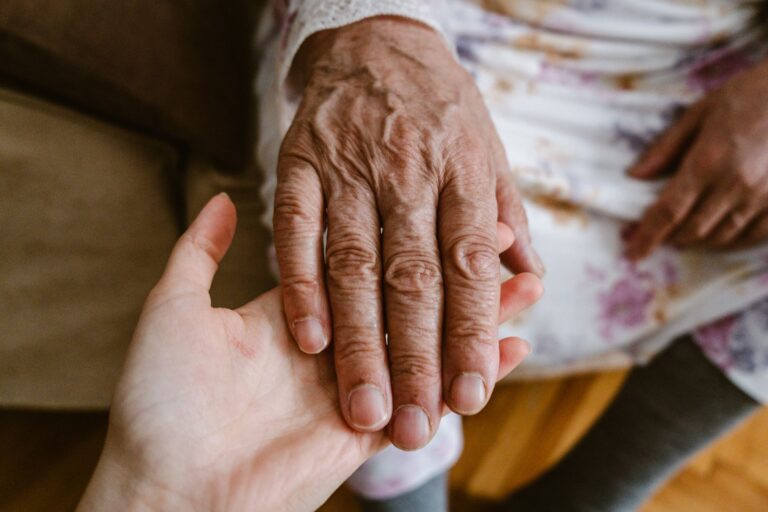
Schools should teach students about dementia because early education fundamentally changes how young people understand, recognize, and respond to cognitive decline—both in their own families and their future roles as healthcare workers, caregivers, and citizens. When a teenager learns that memory loss isn’t normal aging but a symptom worth investigating, they’re more likely to notice changes in a grandparent and suggest medical evaluation rather than assume “that’s just how she’s getting.” A 2023 study from the Alzheimer’s Society found that secondary school students who received dementia education reported significantly higher confidence in supporting someone with the condition and reduced anxiety about age-related cognitive changes. The practical argument is equally strong.
The average family goes undiagnosed with dementia for 2–3 years after symptoms begin, largely because family members either normalize the changes or don’t know what they’re seeing. Students who understand early warning signs—like repeated questions, getting lost in familiar places, or difficulty managing finances—can raise concerns that prompt a doctor’s visit. Beyond recognition, dementia education builds the pipeline for a healthcare workforce that actually understands the lived experience of patients and their families, not just the clinical picture.
Table of Contents
- What Difference Does Learning About Dementia Actually Make for Young People?
- Breaking Down Stigma and Fear Around Dementia in Schools
- Building Empathy Through Real Stories and Connection
- What Schools Actually Need to Teach About Dementia
- The Challenge of Fitting Dementia Into Already-Crowded Curricula
- The Caregiver Pipeline and Future Workforce Development
- Dementia Education as Part of Broader Age-Inclusive Learning
- Frequently Asked Questions
What Difference Does Learning About Dementia Actually Make for Young People?
Students who receive dementia education show measurable shifts in behavior and attitude. In a Manchester dementia training program delivered to Year 9 students (ages 13–14), researchers tracked participants a year later and found they were more likely to engage in conversations about aging and had discussed dementia with family members compared to peers without the training. This isn’t abstract knowledge retention—it’s actionable awareness that students carry into their homes, conversations, and future decisions. The limitation is that one classroom unit doesn’t create lasting expertise.
A single lesson on dementia won’t make a teenager a caregiver or a diagnostician. What it does is inoculate young people against misunderstanding and fear. When students learn that dementia is a disease, not a personality flaw or inevitable consequence of getting old, they stop treating it like a punchline (which many do by high school) and start asking informed questions. For students whose parents or grandparents already have dementia, education can dramatically reduce isolation and shame—many teenagers hide a grandparent’s diagnosis from friends out of embarrassment.
Breaking Down Stigma and Fear Around Dementia in Schools
Dementia still carries profound stigma among adolescents. Surveys of UK schoolchildren show that many associate dementia with “losing your mind,” becoming a burden, or losing your identity entirely—fears that often exceed the actual lived experience of many people with mild to moderate dementia. When schools normalize cognitive decline as a medical condition, not a moral or personal failing, they’re directly countering the narrative that has historically kept dementia in the shadows and made families reluctant to seek diagnosis or care.
However, teaching about dementia requires careful curriculum design to avoid creating anxiety rather than understanding. If a lesson focuses too heavily on fear—”you could have dementia,” “you might not recognize loved ones”—teenagers can develop unnecessary health anxiety, particularly those with family history. Effective programs balance realistic information about risk factors and disease progression with emphasis on what can be done: early diagnosis, treatment options, lifestyle modifications, and how to support someone living with dementia. A poorly designed curriculum can backfire and entrench stigma; a well-designed one opens the conversation.
Building Empathy Through Real Stories and Connection
Dementia education works best when it moves beyond facts and includes human connection. Schools that invite people living with dementia or their caregivers to speak directly to students create an empathy shift that textbook information alone cannot achieve. A woman in her early 70s diagnosed with younger-onset dementia can describe what it’s actually like—the frustration of losing words, yes, but also the joy of still recognizing her grandchild, the pride in completing a familiar task, the value of a patient conversation.
Students who hear directly from someone with lived experience remember the lesson differently than those who learn dementia as “progressive neurological decline.” This approach also challenges stereotypes head-on. Many students expect all people with dementia to be elderly, withdrawn, or in institutional care. When a person with dementia speaks clearly, tells jokes, and maintains agency in their own story, it disrupts the catastrophic narrative and makes space for nuance. Student questions shift from “Don’t they forget everything?” to “What helps you remember?” or “How can we make things easier for you?” The pedagogical power lies in specificity and presence.
What Schools Actually Need to Teach About Dementia
Effective dementia education in schools covers several concrete areas: recognition of early symptoms (memory loss that interferes with daily function, difficulty finding words, getting lost in familiar places), understanding that dementia is a disease and not a normal part of aging, knowledge of different types of dementia and what distinguishes them (Alzheimer’s presents differently than vascular dementia or Lewy body dementia), and practical skills for communicating with someone experiencing cognitive decline (speaking clearly, reducing distractions, allowing extra processing time). Schools also need to equip students with the awareness that early diagnosis matters.
Young people should know that some forms of dementia are reversible if caught early (normal pressure hydrocephalus, certain vitamin deficiencies), and that others respond better to treatment when diagnosed sooner. This shifts the narrative from “dementia = waiting to die” to “dementia = a medical condition requiring prompt evaluation and management.” Additionally, curriculum should address the role of primary caregivers—often spouses or adult children—and the stress they experience, so students understand that supporting someone with dementia means also supporting their caregivers.
The Challenge of Fitting Dementia Into Already-Crowded Curricula
Most schools already struggle with packed timetables and competing priorities. Adding dementia education means either creating dedicated space in the health education curriculum (which not all schools have) or folding it into existing units on aging, neurology, or health. Some schools integrate it into PSHE (Personal, Social, Health, and Economic education), but the depth and quality varies widely depending on teacher confidence and training. A significant limitation is teacher preparation.
Many educators feel poorly equipped to teach about dementia because their own training didn’t include it. Without proper professional development, teachers might present outdated stereotypes or miss opportunities to engage students meaningfully. Additionally, the emotional weight of dementia topics—many students will have personal family experience—means educators need skills to handle difficult conversations sensitively. If a student’s grandparent has just been diagnosed, a classroom discussion about dementia symptoms can trigger grief or fear that the teacher isn’t trained to navigate.
The Caregiver Pipeline and Future Workforce Development
One underrecognized reason schools should teach about dementia is workforce development. Care work—both professional and familial—is chronically understaffed and undersupported, and many healthcare workers report minimal training on dementia care despite it being central to their work. Young people who learn about dementia in school and develop confidence in supporting people with cognitive decline are more likely to pursue care roles or to bring informed, patient-centered approaches to whatever healthcare field they enter.
Even for students who never enter healthcare, early dementia literacy reduces the shock and overwhelm of becoming a family caregiver later in life. A 25-year-old who learned dementia basics in secondary school faces the eventual diagnosis of a parent with far less panic and stigma than one encountering the disease for the first time as an adult, completely unprepared. They already know what to expect, what questions to ask, and how to communicate with their loved one—knowledge that dramatically improves both care quality and caregiver mental health.
Dementia Education as Part of Broader Age-Inclusive Learning
Schools that teach about dementia typically situate it within the larger framework of understanding aging and older adults—a generational shift in how young people view elders. When curriculum positions older people as active participants in society rather than burdens or cautionary tales, and when it acknowledges that many older people live fully engaged, cognitively intact lives, dementia education becomes part of a more accurate and humane picture of human aging.
Students learn to distinguish between normal aging changes (like slower processing speed) and pathological decline (like losing the ability to follow directions). This broader age-inclusive approach also addresses the current reality that many teenagers have minimal regular contact with older adults outside of family. Structured, curriculum-based exposure to perspectives and experiences of older people—including those living with dementia—can fill that gap and create a generation more likely to advocate for dementia research, support policy changes around elder care, and approach their own aging with realistic preparation rather than dread.
- —
Frequently Asked Questions
At what age should students learn about dementia?
Most dementia education programs target secondary school students (ages 13–16), when they can grasp complex disease biology and engage with topics around aging and mortality. Some primary school programs introduce basic concepts about brain health and memory, but in-depth dementia education is most effective in secondary settings.
How does learning about dementia at school help if a student’s family isn’t affected?
All students eventually encounter aging and dementia—through extended family, friends’ grandparents, or their own future roles in healthcare or caregiving. Early education normalizes these conversations and builds confidence in responding to cognitive decline, whether as a concerned family member, an informed citizen supporting health policy, or a healthcare worker.
Won’t discussing dementia make teenagers anxious about their own memory?
This risk exists if curriculum emphasizes catastrophe or if teaching ignores normal forgetting. Well-designed programs distinguish between normal age-appropriate memory lapses (forgetting where you left your keys) and concerning changes (repeating the same story multiple times in one conversation). The focus is on disease awareness, not health anxiety.
What if a student in the class has a parent or grandparent with dementia?
This is actually an advantage of classroom-based dementia education. Students with lived experience often find validation and relief in formal acknowledgment of what they’re experiencing at home. Teachers should be prepared to offer support and should not single out the student for special attention unless they ask for it. Afterward, a brief private check-in can be helpful.
Are there specific teaching methods that work better for dementia education?
Research supports a combination of factual information, first-person narratives (from people with dementia or caregivers), interactive activities like perspective-taking exercises, and practical skills training (how to communicate with someone who has memory loss). Teacher training significantly improves outcomes, so schools should invest in educator development, not just curriculum.
How do schools measure whether dementia education is working?
Schools can track changes in student knowledge (pre/post assessments), shifts in attitudes toward aging and cognitive decline (surveys about stereotypes and comfort), and behavior changes (whether students report conversations about dementia with family, or increased engagement with older people). Some schools follow up a year later to see whether students retained and applied what they learned. —