Alzheimer’s disease impairs the body’s natural ability to regulate temperature, making heat waves particularly dangerous for patients with cognitive decline. When the brain deteriorates, the hypothalamus—the region controlling body temperature—becomes less responsive to environmental changes, leaving these patients unable to recognize overheating or adjust clothing and behavior accordingly. A caregiver might find their loved one wearing a heavy sweater on a 95-degree day, or sitting in direct sunlight for hours without complaint, because the patient simply lacks the awareness to feel discomfort or understand the danger.
This vulnerability creates a crisis during summer months. Alzheimer’s patients experiencing heat stress are at elevated risk for heat exhaustion, heat stroke, dehydration, and acute confusion—conditions that can escalate rapidly and require emergency intervention. Caregivers must become vigilant watchers during warm weather, since the person in their care cannot self-protect and may actively resist help, believing nothing is wrong.
Table of Contents
- Why Alzheimer’s Patients Struggle in High Heat
- How Heat Illness Manifests Differently in Dementia Patients
- Recognizing Early Signs of Heat Stress in Your Loved One
- Core Caregiver Strategies for Heat Protection
- Medication Interactions and Hidden Heat Risks
- Preparing for Heat Emergencies Before Summer Arrives
- Heat-Related Medication Adjustments and Medical Communication
- Frequently Asked Questions
Why Alzheimer’s Patients Struggle in High Heat
The brain damage underlying Alzheimer’s disease disrupts multiple systems involved in heat regulation. Beyond impaired temperature sensing, the disease affects the cognitive processes that normally drive us to drink water, seek shade, or remove layers. A person with moderate to advanced Alzheimer’s may not remember that they’re thirsty, or may refuse water because they don’t understand why they need it. They might wander away from air-conditioned spaces without any sense of direction or danger. Medications commonly prescribed for Alzheimer’s patients—including some antipsychotics and anticholinergics—further compromise heat tolerance by interfering with sweating or increasing body temperature.
A patient on multiple medications may have compounded risk that caregivers cannot always predict. Additionally, conditions frequently seen alongside Alzheimer’s, such as diabetes or heart disease, can amplify heat-related complications, making a moderately warm day dangerous for someone whose multiple conditions interact badly in high temperatures. Behavioral and psychological symptoms of dementia add another layer of complexity. As cognition declines, some patients become agitated, combative, or repetitive in hot weather, making it harder for caregivers to keep them safe. A patient who refuses to leave the porch or won’t drink fluids becomes a safety challenge that requires patience, creativity, and knowledge of the individual’s history and preferences.
How Heat Illness Manifests Differently in Dementia Patients
Heat-related illness in Alzheimer’s patients often looks different than it does in cognitively intact older adults. A typical person experiencing heat exhaustion might say “I feel dizzy” or “I’m overheating.” An Alzheimer’s patient may not have words for what they feel, or may express distress only through agitation, refusal to cooperate, or unusual silence. The classic signs—profuse sweating, flushed skin, rapid pulse—might be present, but the patient cannot report them, leaving caregivers dependent on close observation. One important limitation: some patients actually stop sweating effectively in advanced stages, so the absence of sweat does not mean they are not overheating. This masks the severity of the condition and delays recognition of heat stroke.
A caregiver might assume a patient is “doing fine” because they’re not visibly sweating, when in fact body temperature is rising dangerously. Heat stroke—the most severe form—can progress from normal-seeming behavior to confusion, seizure, loss of consciousness, or death within hours. Dehydration compounds the danger. Alzheimer’s patients often forget to drink or actively refuse fluids they don’t recognize. Unlike cognitively intact individuals who might self-monitor for thirst, dementia patients show up in emergency rooms severely dehydrated with no memory of declining fluid intake. Severe dehydration combined with heat exposure can trigger acute kidney injury, blood clots, or dangerous swings in sodium and electrolyte levels.
Recognizing Early Signs of Heat Stress in Your Loved One
Caregivers must learn the specific behavioral changes that signal heat illness in their care recipient. These may include restlessness or unusual pacing, sudden increased confusion beyond baseline dementia, decreased appetite or refusal to eat, dizziness or loss of balance, and changes in skin appearance—not just flushing, but sometimes unusual paleness or cool clammy skin. Some patients become irritable or withdrawn; others may seem more withdrawn than usual. A concrete example: an Alzheimer’s patient who typically enjoys sitting outdoors suddenly becomes uncharacteristically quiet and slow to respond. Within the next hour, they’re confused about where they are and no longer recognize family members—a level of confusion worse than their baseline.
These sudden, acute changes warrant a check of core body temperature and immediate cooling measures, even if the person seems fine otherwise. Monitoring behavioral baselines matters tremendously. A caregiver who knows that their loved one typically repeats the same three questions every hour will notice immediately when that changes to aggressive refusal to engage. Conversely, a caregiver unfamiliar with the patient’s daily presentation might miss the subtle shift. Family members who spend time with the patient should communicate consistently about what “normal confusion” looks like for that person, so that concerning changes trigger action.
Core Caregiver Strategies for Heat Protection
The most effective heat protection strategy combines multiple approaches: environmental control, hydration monitoring, medication awareness, and regular temperature checks. Air conditioning or fans create the foundation—a cooler home environment prevents crisis before it begins. For caregivers without access to reliable air conditioning, community cooling centers, air-conditioned libraries or malls, and regular visits to the homes of family or friends with AC provide alternatives. Some patients can tolerate transitional periods in vehicles with AC; others respond well to scheduled daily outings to a cool location. Hydration requires active intervention. Rather than waiting for the patient to ask for water, caregivers must offer fluids regularly—every 30 to 60 minutes during hot weather—in forms the patient will accept.
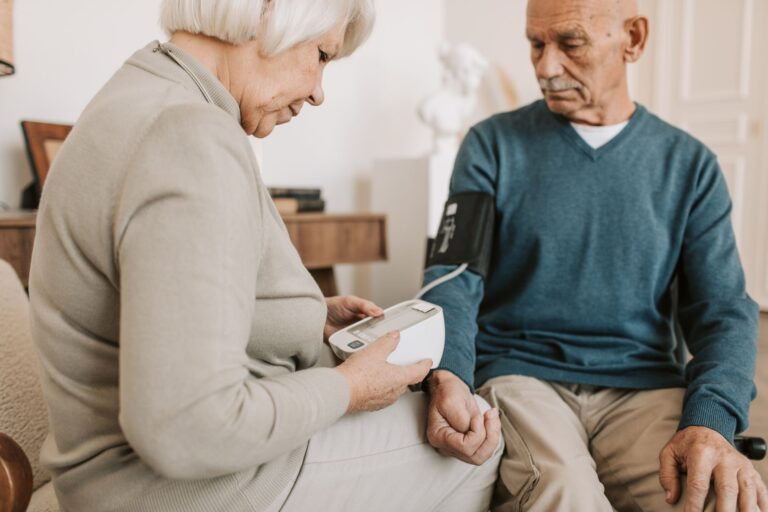
Cold water, popsicles, gelatin, soup, or fruit with high water content all count. A tradeoff here is that more frequent fluid intake means more bathroom trips, which can frustrate caregivers managing incontinence or mobility issues; however, the hydration benefit outweighs the inconvenience during dangerous heat. Light, loose clothing helps, though this can create conflict if the patient insists on wearing inappropriate items. Some caregivers redirect by offering a light alternative they present as “special summer clothes.” Lightweight hats, sunscreen, and limiting outdoor time during peak heat hours (10 a.m. to 4 p.m.) provide additional protection. Keeping a thermometer readily accessible—and knowing how to take the patient’s temperature reliably—enables early detection of fever or overheating before emergencies develop.
Medication Interactions and Hidden Heat Risks
Certain common medications increase heat vulnerability. Anticholinergic medications—used for various symptoms in older adults—reduce sweating and can dramatically increase heat sensitivity. Diuretics used for heart or blood pressure conditions increase dehydration risk. Antipsychotics, sometimes given to manage Alzheimer’s-related agitation, affect the body’s temperature regulation directly. A patient on multiple medications from different specialists may have no single doctor reviewing the combined heat-related risk. This is a significant limitation of fragmented medical care.
Caregivers should ask their loved one’s neurologist, primary care doctor, and any specialists prescribing medications whether those drugs increase heat sensitivity. Sometimes this information is not volunteered; asking directly is necessary. During extreme heat events, some patients may benefit from medication adjustments or temporary schedule changes—something to discuss with their physician before summer arrives, not after a crisis. A physician might suggest taking certain medications at night instead of daytime to avoid peak heat exposure, or recommend additional monitoring during hot weather. Warning: stopping or adjusting medications without medical guidance is dangerous and should never happen. However, having a pre-arranged conversation with the doctor about heat management plans ensures the caregiver knows what to do if the patient shows signs of medication-related heat illness.
Preparing for Heat Emergencies Before Summer Arrives
A prepared caregiver has a heat emergency plan in place before temperatures spike. This includes knowing the location of the nearest emergency room, having a list of the patient’s medications and medical conditions to bring if emergency transport is needed, and identifying signs that warrant a 911 call—such as core body temperature above 103°F, loss of consciousness, seizures, or severe confusion beyond baseline combined with heat exposure. Consider practicing your response to heat illness so you’re not learning in a crisis.
Know where your thermometer is and how to take your patient’s temperature accurately. Have cold water, ice packs, and cooling towels easily accessible. Identify backup cooling options (friend’s house with AC, public cooling center) and share these with family members who might help. Some regions offer formal heat emergency programs or registries for vulnerable older adults; checking whether your area has such resources can provide additional support during dangerous weather.
Heat-Related Medication Adjustments and Medical Communication
Before summer, schedule a conversation with your loved one’s physician specifically about heat risk. Bring a list of all current medications, including over-the-counter products and supplements. Ask whether any increase heat sensitivity and request a heat management plan. Some physicians will provide written guidance on increased monitoring, signs of heat illness specific to that patient, and when to seek emergency care.
In some cases, physicians recommend keeping certain medications on hand or adjusting timing to reduce daytime exposure during extreme heat events. This requires advance coordination and is not something to improvise during a heatwave. Document any guidance in writing and share it with other caregivers or family members who might provide backup support. Having this conversation early—in spring, before summer heat arrives—ensures the patient’s medical team is thinking proactively rather than reactively.
Frequently Asked Questions
How do I know if my loved one is experiencing heat stroke versus regular Alzheimer’s confusion?
Heat stroke involves sudden worsening of confusion beyond baseline, often with high core body temperature (above 103°F), lack of sweating or unusual skin appearance, rapid pulse, and possible loss of consciousness. Take your loved one’s temperature immediately if behavior changes acutely during hot weather. Call 911 if temperature is dangerously elevated or confusion is severe.
What if my loved one refuses to drink fluids or stay indoors during heat?
Refusing fluids is common in advanced Alzheimer’s. Try offering it in forms they enjoy—popsicles, cold soup, gelatin. For staying indoors, redirect to a cool location they find appealing rather than arguing about heat danger, since explaining the concept may not register. Family presence and activity redirection often work better than logical persuasion.
Can I stop giving my loved one their medications during heat waves?
No. Do not stop or adjust medications without explicit physician guidance. Instead, discuss heat risks with the doctor before summer and ask whether any medication timing changes are advisable. Some physicians recommend temporary adjustments, but these must be planned in advance.
What signs mean I should call 911 for heat-related illness?
Call immediately if you observe core body temperature above 103°F, confusion or behavioral changes worse than baseline combined with heat exposure, loss of consciousness, seizures, lack of sweating in hot conditions, rapid and weak pulse, or severe weakness. Do not wait for multiple signs to appear.
How often should I check on my loved one during hot weather?
During dangerous heat, check at least every 1–2 hours. Offer fluids at each check, assess skin temperature and appearance, and take core body temperature if any concern arises. More frequent checks are appropriate during extreme heat alerts.
Can air conditioning or fans alone keep my loved one safe?
Air conditioning is the strongest protection available, but it’s only one part of a complete heat safety plan. Even with AC, your loved one still needs regular fluids, monitoring for behavioral changes, appropriate clothing, and medical attention if signs of heat illness appear.