The caregiver shortage across America’s healthcare system is fundamentally destabilizing the ability to provide consistent, safe care to millions of patients—particularly those with dementia and other chronic conditions requiring close monitoring. Nursing homes, assisted living facilities, and home health agencies are operating with skeleton crews, often assigning one caregiver to care for significantly more patients than recommended standards allow. When a memory care unit is staffed below safe ratios, residents with dementia are at heightened risk: missed medications, falls go unattended, behavioral crises escalate without intervention, and the early warning signs of serious medical problems get overlooked because no one is there to notice.
This crisis didn’t emerge overnight. The shortage stems from a combination of persistently low wages, grueling shift work, high burnout rates, and insufficient training pipelines. Facilities that once competed for workers through modest wage increases can no longer retain staff—the jobs simply don’t offer career security or earning potential that matches other accessible professions. A caregiver in many regions earns $28,000 to $35,000 annually for work that is physically demanding and emotionally taxing, making it difficult to attract and keep people in roles that fundamentally keep the healthcare system functioning.
Table of Contents
- Why Is America Facing a Caregiver Crisis Now?
- How Understaffing Directly Threatens Patient Safety in Dementia Care
- Geographic Disparities and Rural Healthcare Collapse
- The Training and Certification Bottleneck
- Burnout and the Exit Pipeline
- The Economic Consequences of Inadequate Staffing
- What Families Face When Facilities Are Understaffed
- Frequently Asked Questions
Why Is America Facing a Caregiver Crisis Now?
The timing of this crisis is not accidental; it’s the collision of demographic demand and workforce supply. The aging baby boomer population is driving unprecedented demand for long-term care services at the exact moment when traditional caregiver recruitment pipelines have dried up. In 2023, the United States had roughly 4.9 million caregiving jobs, and demand is projected to exceed available workers by the millions in the next decade. Meanwhile, immigration patterns that historically supplied many caregiving roles have shifted, and younger generations have broader career options than their parents did.
The pandemic intensified these dynamics catastrophically. Many caregivers left the profession during lockdowns and illness surges, citing burnout, inadequate protective equipment, and wage stagnation. Some shifted to retail or food service jobs that offered better hours without the same responsibility or infection risk. Those who remained saw workloads triple as facilities consolidated staff to cut costs, and many never returned even after restrictions eased. Nursing homes and assisted living facilities that lost their experienced workers have struggled to rebuild stable teams.
How Understaffing Directly Threatens Patient Safety in Dementia Care
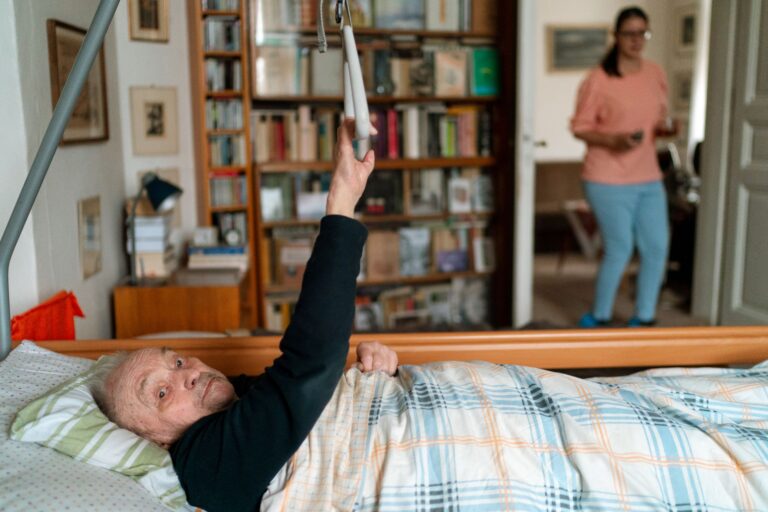
When a facility operates below recommended caregiver-to-patient ratios, the consequences for people with dementia are acute and measurable. A single caregiver assigned to monitor eight to ten dementia residents instead of the recommended four cannot provide the hands-on assistance and frequent observation these patients need. Bathing, toileting, medication administration, and fall prevention become rushed or skipped. Residents become depressed and withdrawn from lack of attention, or they develop behavioral problems that go unaddressed because no staff member has time for de-escalation or one-on-one engagement.
Pressure injuries (bedsores) increase, urinary tract infections spread undetected, and medication errors compound. For dementia residents especially, a missed medication or a delayed response to a sign of distress can trigger serious complications. One nursing home in a Midwestern state documented a surge in preventable infections and falls after cutting its night-shift staff by 20 percent to reduce labor costs—a decision that resulted in citations from state regulators and families withdrawing their relatives. The caregiver shortage creates a false economy: short-term cost savings produce long-term liability and regulatory penalties, plus the human cost to residents who suffer preventable harm.
Geographic Disparities and Rural Healthcare Collapse
Rural and low-income urban areas face especially acute shortages. Small towns often have only one or two assisted living facilities or nursing homes, and when those facilities cannot attract workers, entire communities lose access to local long-term care. Rural caregivers earn wages that are even lower than urban counterparts, yet their cost of living may not be proportionally lower, making rural caregiving jobs untenable.
Families in rural areas then face the choice of moving their loved ones long distances to access care or becoming informal round-the-clock caregivers themselves—a burden that often forces one family member to leave employment entirely. Urban facilities in high-cost-of-living areas face a different squeeze: wages are higher than in rural areas, but they still lag behind other healthcare professions and consumer-service roles in the same market. A caregiver in San Francisco or New York cannot afford to live near their workplace on a caregiver’s salary, creating commute burdens that drive people toward shorter-tenure positions or burnout. The result is geographic fragmentation in which caregiving services are increasingly concentrated in wealthy suburbs and sparse in the communities most dependent on affordable long-term care.
The Training and Certification Bottleneck
Becoming a certified nursing assistant or home health aide does not require a four-year degree, yet many healthcare facilities have begun demanding higher credentials or experience even for entry-level roles—a mismatch that narrows the recruitment funnel. Community colleges offer CNA programs, but many are at capacity or have limited schedules; waiting lists for certification courses can stretch months. For someone in economic need, a six-month wait to enter a training program while working another job is often impossible to manage. Once a person becomes certified, facilities frequently fail to offer advancement pathways or tuition support for further credentials, so caregivers who remain in the field have few options to increase earning potential without leaving for entirely different professions.
The certification process also varies by state, creating barriers for caregiver mobility. A CNA licensed in one state may need to re-certify or re-test if they move, which discourages migration toward areas of highest demand and supply. Facilities attempting to recruit nationally find themselves navigating a patchwork of different licensing requirements, making it difficult to build distributed teams. Investment in robust, accessible training infrastructure could ease this bottleneck, yet public funding for community college programs remains stagnant while demand accelerates.
Burnout and the Exit Pipeline
Caregiver burnout is not a morale problem—it is a documented physiological and psychological condition that drives high turnover and has serious consequences for staff wellbeing. Studies of nursing home staff have found rates of depression and anxiety above the general population, with night-shift workers particularly affected. The work is physically repetitive (lifting, bending, repetitive motions), emotionally demanding (caring for dying patients, witnessing suffering), and interpersonally challenging (managing difficult behaviors from dementia residents, or navigating family conflict). A caregiver who works three 12-hour shifts per week often has unpredictable schedules, limited benefits, and little control over assignments or breaks.
The turnover consequences are severe: as experienced caregivers leave, knowledge and continuity of care leave with them. New hires must be trained on the job, which requires time from already-stretched managers and senior staff. High turnover also means residents with dementia experience constant face changes in their immediate caregivers—a particular hardship for individuals whose memory impairment makes each new face a stranger, increasing anxiety and behavioral problems. Some facilities experience annual turnover rates exceeding 50 percent, which guarantees that residents will rarely develop trusting relationships with their care team and that safety hazards will be repeatedly overlooked as institutional knowledge walks out the door.
The Economic Consequences of Inadequate Staffing
Facilities operating with chronic understaffing experience cascading economic costs that offset any short-term wage savings. Regulatory citations from inspectors result in fines and mandatory remediation spending. Higher insurance premiums follow adverse incidents and litigation. Recruitment costs for constant replacement hiring drain administrative budgets. Equipment and infrastructure deteriorate faster when maintenance is deprioritized.
Emergency room transfers increase when subtle medical problems go undetected, and hospital readmissions follow discharge into an unstable facility environment. Paradoxically, raising wages for caregivers is often one of the most cost-effective interventions a facility can make, because it reduces turnover, improves continuity of care, prevents adverse events, and lowers regulatory risk. Facilities that have invested in higher pay, better scheduling, and professional development report lower turnover, higher inspection scores, and higher family satisfaction. The problem is that most facilities operate on thin margins, with insurance reimbursement rates or government Medicare and Medicaid payment rates not covering the true cost of adequate staffing. The caregiver shortage is ultimately a reimbursement crisis disguised as a staffing crisis.
What Families Face When Facilities Are Understaffed
When a family moves a loved one with dementia into a facility that is chronically understaffed, they discover this reality through subtle and not-subtle signs: their relative’s appearance declines (hair uncombed, clothes mismatched or soiled), behavioral problems emerge or worsen (agitation, aggression), medical appointments are frequently missed or rescheduled, and communication from staff becomes sporadic or vague. Families who advocate for their relatives learn to visit at varied times to observe actual conditions rather than relying on scheduled tour information. They often find their relatives alone for long periods, or grouped passively in front of televisions, because staff lacks time for engagement.
Some families respond by hiring private companion caregivers to supplement facility care, a luxury only some can afford. Others reduce their loved one’s placement to the minimum necessary care and accept significant compromise in quality of life. Many withdraw from facilities and become intensive informal caregivers themselves, a decision that frequently leads to caregiver burnout within the family and sometimes precipitates a crisis (hospitalization of the family caregiver, or unsafe care that lands the dementia patient in an emergency situation). The caregiver shortage does not simply create a staffing problem at the facility level—it redistributes care burden to families, with consequences that ripple through household finances, employment, and health.
Frequently Asked Questions
What is considered safe caregiver-to-patient ratio in dementia care facilities?
Recommended ratios vary by regulation and care level, but best-practice guidelines generally suggest one caregiver for every four to six residents in memory care units during day shift, with lower ratios at night. Many facilities currently operate at one caregiver per eight to twelve residents or higher, exceeding safe thresholds.
How does understaffing specifically affect dementia patients?
Dementia residents require frequent assistance with activities of daily living and close monitoring for behavioral changes, medication adherence, and signs of illness. Understaffing leads to missed medications, delayed response to emergencies, increased behavioral problems, pressure injuries, infections, and falls—often preventable complications.
What wages do caregivers typically earn?
Certified Nursing Assistants and home health aides typically earn between $28,000 and $38,000 annually in most U.S. regions, depending on location and facility type. This is significantly below other healthcare roles and does not reflect the physical and emotional demands of the work.
Are there regional differences in the caregiver shortage?
Yes. Rural areas and low-income urban communities face more acute shortages, while high-cost-of-living urban areas struggle with affordability for workers. Geographic disparities mean care quality and access vary significantly depending on where a person lives.
What can families do if their loved one is in an understaffed facility?
Families can visit at varied times to observe conditions, document concerns, request specific care plans, file complaints with state regulators, consult ombudsman services, and consider transitions if care is unsafe. Some hire supplemental private caregivers if financially feasible.
Is the caregiver shortage expected to improve?
Current projections suggest the shortage will worsen as the aging population grows and retirement continues to outpace entry into the caregiving profession. Significant improvements require sustained wage increases, better training infrastructure, and changes to reimbursement models.