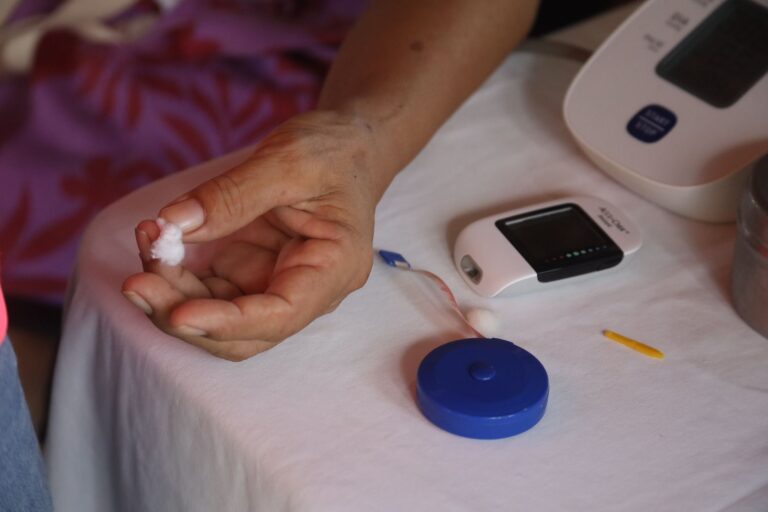
Home-based dementia trials are moving cognitive testing, data collection, and clinical monitoring directly into participants’ residences using smartphones, wearable devices, and telehealth platforms rather than requiring trips to research centers. Instead of scheduling appointments every few weeks at a clinic, volunteers might complete a 15-minute cognitive assessment on their tablet each morning, wear a smartwatch that tracks sleep and activity patterns, and have a brief check-in call with a researcher from their living room. The University of California conducted such a trial during the COVID-19 pandemic, sending iPad-based cognitive tests to participants’ homes and collecting daily data on memory and processing speed without a single in-person visit.
This shift addresses a fundamental problem in dementia research: most clinical trials recruit from urban medical centers, excluding rural participants, those with mobility limitations, and people in early cognitive decline who might not actively seek out research appointments. Home-based trials lower barriers to enrollment, enable continuous monitoring over months or years, and create opportunities to study how cognitive function changes in real daily environments rather than sterile lab conditions. The tradeoff is significant—researchers lose direct control over test conditions, face challenges verifying who actually completed assessments, and depend on participants’ technology literacy and home internet quality.
Table of Contents
- How Remote Monitoring Expands Research Enrollment
- The Variability Problem in Home Testing Conditions
- Wearable Sensors and Continuous Data Collection
- Participant Screening and Engagement Strategies
- Data Integrity and Proof-of-Participation
- Integration of Telehealth and Cognitive Assessment
- Missing Data and Real-World Attrition Patterns
- Frequently Asked Questions
How Remote Monitoring Expands Research Enrollment
Home-based trials can potentially reach populations excluded from traditional research. A study published in *Alzheimer’s & Dementia* found that when cognitive tests moved to participants’ homes via video call with a researcher, enrollment among rural adults increased by 47% compared to center-based recruitment. Older adults living alone, those with limited transportation, and caregivers managing multiple responsibilities at home can now participate without the logistical burden of traveling to medical centers during daytime business hours.
The expansion isn’t automatic. Participants with limited internet access, those unfamiliar with smartphones, or individuals with severe hearing loss may struggle with video-based assessments. A home-based trial at the Mayo Clinic required technical support staff to help 23% of enrolled participants set up their equipment, and 8% ultimately dropped out due to persistent connectivity issues. Geography becomes less important, but digital infrastructure becomes critical.
The Variability Problem in Home Testing Conditions
The biggest limitation of home-based trials is that researchers cannot standardize the environment. One participant might complete a cognitive test at 7 a.m. in a quiet bedroom while another completes the same test at noon with a television playing and grandchildren visiting. Lighting varies, background noise differs, interruptions occur unpredictably, and some participants might take medication minutes before testing while others haven’t eaten.
These variables directly affect cognitive performance scores and make it harder to distinguish real cognitive decline from day-to-day fluctuations caused by testing conditions. Research from Johns Hopkins University quantified this problem by having participants complete identical cognitive tasks in a lab and then at home. The same person’s results varied by an average of 12 percentage points depending on location and time of day. For early-stage dementia detection, where subtle cognitive changes matter clinically, this variability can obscure the signal researchers are trying to measure. Participants also receive no standardized instructions in person; they read written prompts on a screen or listen to recorded guidance, which eliminates the researcher’s ability to clarify misunderstood instructions in real time.
Wearable Sensors and Continuous Data Collection
The advantage of home-based trials is the ability to collect data continuously rather than at discrete clinic visits. Smartwatches and activity trackers worn throughout the day record sleep patterns, physical activity, heart rate variability, and walking speed—all metrics associated with cognitive decline. A wearable device might detect that a participant’s sleep has become more fragmented or that their daily step count has declined gradually over weeks, patterns that would only be visible through continuous monitoring and that a single clinic visit would miss.
Akili Interactive developed a home-based trial using a tablet game designed to train attention; the tablet captured detailed reaction time and accuracy data every time the participant played. Over three months, Akili researchers collected millions of data points on cognitive performance per participant—far more than any in-person testing schedule could achieve. The limitation is practical and economic: wearable devices often need to be returned at the trial’s end, their batteries require charging, participants forget to wear them consistently, and many devices are uncomfortable during sleep. About 20% of wearable data in home trials gets excluded due to non-wear time or equipment malfunction, creating gaps in otherwise continuous monitoring.
Participant Screening and Engagement Strategies
Home-based trials must solve the enrollment problem differently than center-based studies. Recruitment happens through digital advertising, social media, and community health networks rather than referrals from neurology clinics. However, without an in-person screening visit, researchers struggle to confirm that a participant actually has cognitive impairment, that they live alone or with a reliable caregiver, and that they’re capable of using the required technology independently. One solution is staged enrollment: initial screening happens by phone or video call, and participants complete a brief digital cognitive test as a gate.
If they pass basic criteria, they receive equipment and onboarding support. The National Institute on Aging’s BRAIN Initiative trials implemented this approach and found it reduced early dropout (within the first two weeks) from 18% to 7%. However, this still requires participant motivation and regular check-ins from research staff. A trial at the University of Washington offered $50 monthly stipends plus $20 bonus payments for perfect adherence to assessment schedules; even with financial incentive, adherence averaged 68% compared to 91% in center-based trials where participants attend scheduled appointments with direct staff reminders.
Data Integrity and Proof-of-Participation
A critical vulnerability in home-based trials is verification. When a participant completes a cognitive test in their living room, the researcher cannot confirm that the participant actually took the test themselves, that they weren’t assisted by a family member, or that they didn’t look up answers using their phone’s search function. A center-based trial has a researcher watching; a home-based trial is entirely unobserved. Some protocols address this through video recording: participants enable their webcam during testing, and researchers review clips afterward to confirm they saw the person complete the assessment. This raises privacy concerns and requires participant consent specifically for video surveillance.
Other trials use keystroke analysis and eye-tracking software embedded in the assessment app; if someone’s typing pattern suddenly changes or their eyes leave the screen unusually often, the system flags the test as potentially invalid. Yet these technological safeguards often fail for older adults. Eye-tracking requires the participant to position their face at the correct distance from the camera—difficult for someone with arthritis or vision problems. A trial at the Cleveland Clinic found that eye-tracking data became unreliable in 34% of older participants because they naturally moved around while thinking. Trials often fall back on trust: researchers assume participants are honest and exclude any data that seems obviously suspicious, but this introduces researcher bias and potentially excludes participants with tremors, mobility issues, or other physical variations that create suspicious-looking data patterns.
Integration of Telehealth and Cognitive Assessment
Home-based trials frequently combine remote cognitive testing with telehealth visits from neurologists or geriatricians. A participant might spend 20 minutes on a tablet-based cognitive battery, then immediately schedule a video call with a clinician who reviews the results and discusses symptoms. This integration works efficiently when the technology functions reliably but creates disconnects when internet bandwidth fluctuates or the appointment platform crashes.
The ADAPTIVE trial at Vanderbilt University embedded structured video assessments into their home-based protocol: participants answered specific memory questions on camera, which a neurologist reviewed asynchronously and rated for accuracy. The advantage was detailed clinical judgment applied to actual observed performance; the disadvantage was that interpretation became subjective and potentially variable across different clinicians rating the same video. Vanderbilt addressed this by having two clinicians independently rate 20% of videos and requiring consensus, which reduced rating disagreement to 7% but dramatically increased staff workload and study costs.
Missing Data and Real-World Attrition Patterns
Home-based trials accumulate missing data in ways center-based trials don’t. Participants travel, become ill, forget to charge their devices, or experience internet outages. Over a six-month home-based trial, the typical data completion rate is 70-75%, compared to 93-95% in center-based trials. A trial at UC San Diego tracking 200 participants found that 8 participants disappeared completely after week 8 (likely moved or lost motivation), another 24 completed assessments erratically (skipping weeks), and 18 experienced repeated technical failures that prevented them from completing assigned tasks. The researchers had to decide: exclude incomplete participants from analysis (biasing results toward the most engaged and tech-capable), or include partial data and explain the gaps in their statistical models.
Either choice has consequences—excluding participants creates selection bias, while including incomplete data introduces noise and reduces statistical power. Dropout in home-based trials follows different patterns than center-based attrition. In a clinic, you miss an appointment and the staff member calls to reschedule. At home, you can silently stop engaging; researchers don’t know whether missing data means the participant is busy, has given up, is hospitalized, or simply stopped opening the app. Follow-up requires proactive outreach, which increases staff burden and costs. Studies that invested in weekly check-in calls maintained 85% retention; those with passive monitoring (only collecting data when participants engaged) saw retention fall to 62%.
Frequently Asked Questions
Do I need high-speed internet for a home-based dementia trial?
Most home-based trials work on standard broadband and can function on cellular data, though frequent interruptions may cause failed assessments. Trials typically provide a test call 24 hours before enrollment to check connection quality.
Can I participate in a home-based dementia trial if I’m not tech-savvy?
Some trials provide tablets or smartphones pre-loaded with the study app, technical support phone lines, and in-home setup help. Others require basic smartphone proficiency. Ask the research team about their support level before enrolling.
How do researchers verify I’m not cheating on home-based cognitive tests?
Most trials use a combination of: video recording during the test, keystroke/eye-tracking analysis, repeat questions phrased differently to catch inconsistent answers, and regular check-in calls where researchers re-ask screening questions to spot anomalies.
What happens to my data if I drop out of a home-based trial?
This varies by study. Some trials use only data from participants who complete the full protocol; others analyze partial data separately. Ask the consent form or research coordinator about their data retention policy.
Can I take a vacation during a home-based dementia trial?
Most trials allow 1-2 week breaks if you notify the research team. Extended absences (3+ weeks) typically result in suspension or withdrawal, since missing assessments create data gaps that complicate analysis.
Are home-based trials right for someone with moderate dementia?
Home-based trials work best for people with mild cognitive impairment or early dementia who can independently operate technology. Moderate dementia typically requires more supervision; center-based trials or trials with a caregiver co-participant are often better options.