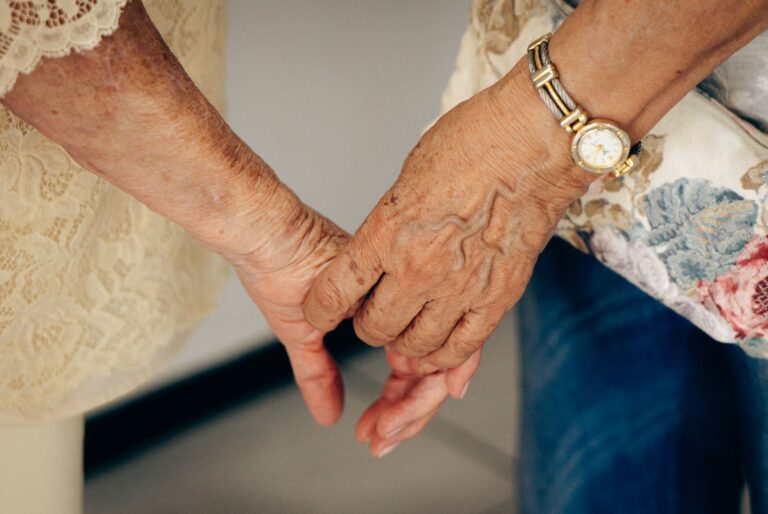
Weight loss in dementia patients demands medical attention because it signals that something has gone seriously wrong—and that something may be treatable if caught and addressed promptly. When a person with dementia loses weight, especially unintentionally or rapidly, it’s not simply a cosmetic concern or an inevitable part of the disease. Weight loss can indicate hidden infections, dental problems, swallowing difficulties, medication side effects, depression, or progression of the underlying dementia itself. A caregiver might notice that Eleanor, a 78-year-old with moderate Alzheimer’s, has become thinner over three months—her clothes hang looser, her face looks drawn—and assume it’s just how the disease progresses. In reality, her weight loss could be caused by a urinary tract infection that also worsens her confusion, or by poorly fitting dentures that make eating painful, or by a medication interaction that suppresses appetite.
These are medical problems that a doctor can identify and often address. Ignoring weight loss in dementia can set off a cascade of decline. Unintentional weight loss leads to muscle loss, weakness, increased fall risk, compromised immune function, slower wound healing, and worsening cognitive symptoms. A person who loses significant weight becomes more vulnerable to infection, more likely to suffer injuries from falls, and less able to participate in activities that keep them mentally engaged. The loss of muscle mass also makes caregiving physically harder—a lighter person is easier to transfer, but that person is also more fragile and at higher risk of serious injury from even minor falls. Medical evaluation can often identify the root cause and prevent this downward spiral.
Table of Contents
- What Causes Unintentional Weight Loss in Dementia Patients?
- What Are the Health Risks of Unintentional Weight Loss?
- How Does Weight Loss Affect Dementia Progression and Cognitive Function?
- How Should Weight Loss Be Monitored and When Should Medical Attention Be Sought?
- Common Complications That Result from Unaddressed Weight Loss
- Nutritional Management and Dietary Approaches
- Working With Your Doctor to Address Weight Loss
What Causes Unintentional Weight Loss in Dementia Patients?
Dementia disrupts the mechanisms that regulate appetite, eating, and nutrition in multiple ways. Early in the disease, people may forget they’ve eaten and skip meals or eat the same meal multiple times. As dementia progresses, eating becomes more difficult—the person may forget how to use utensils, have trouble chewing or swallowing, or experience confusion about what food is or how to eat it. A person with moderate-to-advanced dementia may sit in front of a plate of food and have no idea what to do with it, or may put non-food items in their mouth while ignoring actual food.
Beyond these cognitive changes, medical conditions cause weight loss too: infections (especially urinary tract infections and pneumonia) trigger fever and loss of appetite; dental disease makes chewing painful; difficulty swallowing (dysphagia) makes eating uncomfortable or unsafe; medications cause nausea or dry mouth; depression and anxiety suppress appetite; constipation makes the person feel too full to eat; and thyroid disease or cancer increases metabolism. The challenge is that a person with dementia often cannot tell you what’s wrong. If someone has a urinary tract infection, they can’t say “I don’t feel like eating because I have pelvic pain.” They may just eat less, become more confused, or develop behavioral changes that get mistakenly attributed to dementia progression rather than a treatable infection. A caregiver might not realize that weight loss coincided with the start of a new blood pressure medication, or that the person stopped eating after a dental appointment suggested they needed extractions. Medical evaluation untangles these causes and creates a plan based on what’s actually happening, not assumptions about what “should” happen in dementia.
What Are the Health Risks of Unintentional Weight Loss?
Unintentional weight loss in dementia patients triggers a complex set of medical risks that compound over time. When a person loses weight rapidly or loses more than 5% of their body weight over 6 months without trying, their body is breaking down muscle for energy. This loss of muscle mass leads to weakness, reduced ability to walk independently, increased fall risk, and reduced ability to perform activities of daily living—bathing, dressing, toileting become harder. The person may no longer be able to stand from a chair without assistance, or may lose the balance needed to walk safely. Falls in elderly people with dementia often result in serious injury: hip fractures, head trauma, subdural hematomas. A person who breaks a hip faces surgery, hospitalization, and often permanent loss of function. Significant weight loss also damages immune function.
The immune system requires protein, vitamins, and calories to produce antibodies and white blood cells. A malnourished person becomes more susceptible to infections—respiratory infections, urinary tract infections, skin infections—and these infections are harder to fight. Infections in elderly people with dementia can become severe quickly and may not show typical symptoms (an older person with a serious infection may not run a fever; they may just become confused). The person also heals more slowly from wounds or injuries and has reduced skin integrity, making pressure ulcers more likely. Beyond infection risk, malnutrition reduces bone density, increases risk of fracture, worsens anemia, impairs wound healing, and exacerbates cognitive decline. One often-overlooked risk is that weight loss can trigger or worsen depression in both the patient and the caregiver. A caregiver watching a loved one become thinner may feel frightened and powerless. The person with dementia may experience the physical discomfort of weight loss—clothes feeling loose, cold sensitivity, weakness—without understanding why, which can increase anxiety and agitation.
How Does Weight Loss Affect Dementia Progression and Cognitive Function?
Research suggests that weight loss and malnutrition accelerate cognitive decline in people with dementia. The brain requires consistent nutrition—glucose for energy, protein for neurotransmitter production, omega-3 fatty acids for cell membrane integrity, B vitamins for nerve function. When the body becomes malnourished, the brain is starved of these resources. some studies indicate that people with dementia who experience significant weight loss show faster progression of cognitive symptoms, greater confusion, and steeper declines in memory and functioning compared to people with dementia who maintain stable weight. This isn’t just correlation; malnutrition directly damages cognitive function in people without dementia too (think of how difficult it is to concentrate when you’re hungry), so the effect is likely direct.
Additionally, weight loss and the causes behind it interact with dementia in ways that make both worse. A person with dementia who develops a urinary tract infection may experience a temporary spike in confusion and behavioral changes (this is called delirium superimposed on dementia). If the infection goes untreated, the person becomes more malnourished (because illness suppresses appetite), loses more weight, becomes weaker, and is at higher risk for another infection. The cycle feeds itself. Conversely, medical treatment of the underlying cause—antibiotics for the infection, dental work for tooth pain, adjusted medications—can sometimes lead to improved appetite and weight stabilization, which then improves strength and can even improve some cognitive symptoms in the short term.
How Should Weight Loss Be Monitored and When Should Medical Attention Be Sought?
Weight should be monitored regularly in anyone with dementia—ideally monthly if possible, or at minimum during regular medical appointments. The goal is to catch changes early, before they become severe. A good baseline is the person’s weight at their most recent medical visit or the weight they maintained when they were well. Any unintentional weight loss of more than 5% of body weight over 6 months, or 10% over 12 months, warrants medical evaluation. In practical terms, if someone weighed 150 pounds at their baseline, a loss of more than 7-8 pounds in 6 months is significant and should prompt a doctor visit.
Weight loss that occurs over weeks rather than months is an even stronger red flag. Medical attention should be sought immediately (same day or ER) if weight loss is accompanied by fever, severe confusion, inability or refusal to eat, signs of dehydration, severe weakness, or falls. Urgent attention (within 1-2 days) is appropriate if the person has lost weight and has new or worsening constipation, urinary symptoms, cough, or behavioral changes. An appointment can be scheduled routinely (within 1-2 weeks) if weight loss is gradual, there are no acute symptoms, but the trend is clear. During the appointment, the doctor should take a thorough history: When did the weight loss start? Has appetite changed? Are there new medications? Is the person having trouble chewing or swallowing? Any recent infections? Pain? Any changes in bowel or bladder habits? Any falls? Changes in mood or behavior? The doctor should examine the person’s mouth and teeth, listen to their heart and lungs, check for signs of infection, and likely order basic blood work to look for infection, anemia, thyroid disease, kidney or liver problems, and nutritional deficiencies.
Common Complications That Result from Unaddressed Weight Loss
Pressure ulcers (bedsores) develop with higher frequency in malnourished elderly people and, once developed, heal very slowly. A pressure ulcer can become infected and lead to sepsis, a life-threatening condition. Urinary tract infections become more common, more severe, and harder to treat in malnourished individuals. Aspiration pneumonia—where food or liquid is accidentally inhaled into the lungs instead of going down the esophagus—becomes more likely in someone who has lost significant weight and muscle tone in the throat and chest. Aspiration pneumonia can develop suddenly, cause severe respiratory distress, and be difficult to treat.
Bone fractures from falls are a serious risk, as noted earlier. Hip fractures in particular often mark a point of irreversible decline—many people who suffer a hip fracture never walk independently again, and recovery is prolonged and painful. Another complication is what doctors call “failure to thrive”—a state where the person loses weight and strength, becomes more withdrawn and less engaged, and gradually declines without a clear acute illness. This is partially a medical state (malnutrition, weakness, reduced cognitive stimulation) but has a significant psychological component too. A warning sign that complications are developing includes: skin that tears easily, wounds that are slow to heal, frequent infections, persistent low-grade fever, increasing confusion, falling, or loss of ability to perform previously manageable self-care tasks.
Nutritional Management and Dietary Approaches
When weight loss is identified, the approach depends on the underlying cause. If the problem is mechanical—difficulty chewing or swallowing—solutions might include softer foods, mashed or pureed foods, high-calorie smoothies, or working with a speech-language pathologist to assess swallowing safety. If the problem is appetite loss from illness, treating the underlying illness (antibiotic for infection, adjusted medication, pain management) often restores appetite. If eating is chaotic because the person forgets meals or gets confused by multiple food options, structure helps—set regular meal and snack times, use simple visual cues (a colorful plate, a familiar bowl), limit food choices at each meal to reduce decision paralysis. High-calorie, nutrient-dense foods become important in dementia.
Instead of low-fat diet recommendations that apply to the general population, a person with dementia who is losing weight needs calorie-dense foods: whole milk, nut butters, olive oil, avocado, full-fat yogurt, eggs, cheese, smoothies made with protein powder and cream. A single serving of high-calorie food provides more nutrition than larger servings of low-calorie food and may be easier to actually consume. Small, frequent meals may work better than three large meals. Some people do better with finger foods they can self-feed—cheese cubes, nuts, fruit—rather than meals that require utensils. A registered dietitian can provide specific recommendations based on the person’s swallowing ability, food preferences, and medical conditions.
Working With Your Doctor to Address Weight Loss
Effective management of weight loss in dementia requires clear communication between caregivers and healthcare providers. When you call the doctor, be specific: “My mother has lost 12 pounds over four months. Her clothes don’t fit, and she seems weaker. She’s been complaining that chewing hurts.
She had a urinary tract infection last month, and I’m wondering if that’s related.” Specific details help the doctor narrow down causes faster than vague statements like “she’s losing weight” or “she’s not eating well.” Bring a written timeline if possible: When did you first notice weight loss? What was her weight then? What is it now? Any other changes around the same time? Ask the doctor directly what the plan is to address the weight loss. Is it the medication? An infection? Dental problems? What will be done about it? Will the person need blood tests? A dietitian consult? A dentist visit? Follow-up weight check in one month? Who will do that follow-up? If the doctor says “it’s just dementia” or “people lose weight as dementia progresses” without further investigation, that’s a red flag—weight loss isn’t a normal, inevitable part of dementia and deserves investigation. If the initial workup is inconclusive, consider asking for a referral to geriatric medicine or a geriatric psychiatrist, who specializes in complex medical issues in older adults. Maintain a weight log: weigh the person at the same time each week (same clothes, same scale, same time of day for consistency) and bring this log to each appointment. The doctor can see the rate of loss and whether interventions are working.