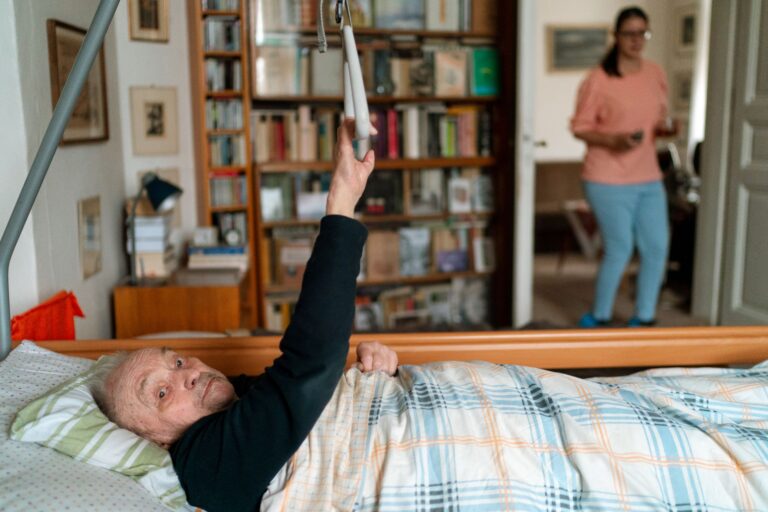
Anesthesia concerns come up in Alzheimer’s care because the disease fundamentally changes how the brain and body process sedative and pain-relief medications. People with Alzheimer’s are more sensitive to anesthesia, face higher risks of serious complications like delirium and cognitive decline, and often take medications that interact unpredictably with anesthetic agents. A patient with mild-to-moderate Alzheimer’s undergoing cataract surgery, for example, might experience prolonged confusion and disorientation after general anesthesia that lasts days or weeks—far longer than in people without cognitive decline—or might never fully return to their baseline thinking ability.
Medical teams raise these concerns because even routine surgical procedures carry amplified risk in people with Alzheimer’s. The cognitive damage can be permanent. Some studies suggest that anesthesia exposure may accelerate cognitive decline in people already diagnosed with dementia, though the exact mechanism remains debated. This is why anesthesia decisions in Alzheimer’s care require careful planning, honest conversations about necessity, and close coordination between the patient’s family, surgeon, and geriatric specialists.
Table of Contents
- What Makes Anesthesia Riskier in Alzheimer’s Disease
- Postoperative Delirium and Cognitive Decline in Alzheimer’s
- Drug Interactions and Medication Complications
- How to Prepare: Planning Ahead with Your Medical Team
- Recovery Complications and What Cannot Always Be Prevented
- Local Anesthesia and Regional Nerve Blocks as Alternatives
- Emergency Surgery and When Waiting Is Not an Option
What Makes Anesthesia Riskier in Alzheimer’s Disease
Alzheimer’s disease causes extensive damage to the brain’s structure and chemistry. Nerve cells die, connections between neurons deteriorate, and the production of acetylcholine—a chemical critical for memory and attention—drops significantly. This means the brain is already in a compromised state when anesthesia is introduced. Anesthetic drugs work by suppressing brain activity and consciousness, but in an Alzheimer’s brain, they can overshoot and cause prolonged or atypical effects.
The aging brain combined with Alzheimer’s damage creates what geriatric anesthesiologists call heightened sensitivity. Doses that would be appropriate for a 75-year-old without dementia may be too much for a 75-year-old with moderate Alzheimer’s. Additionally, the body’s ability to clear anesthetic drugs from the bloodstream is often slowed in older adults with dementia, meaning sedation can linger. A patient given propofol for a routine endoscopy might remain drowsy and confused for 24 to 48 hours afterward, increasing fall risk and the chance of other accidents during recovery.
Postoperative Delirium and Cognitive Decline in Alzheimer’s
Delirium—acute confusion, agitation, and fluctuating consciousness—is one of the most common and serious complications after anesthesia in people with Alzheimer’s. Unlike normal post-anesthesia grogginess, delirium in this population can be severe and persistent. A patient might not recognize family members, become combative, experience hallucinations, or cycle between alertness and deep confusion. This delirium can last for days or even weeks, dramatically reducing quality of life during recovery. The second major concern is postoperative cognitive decline—permanent or long-lasting worsening of memory, attention, and thinking ability after surgery.
Research indicates that people with pre-existing dementia are at higher risk than others for this complication. While younger, cognitively intact patients typically bounce back to their baseline mental state within days or weeks after anesthesia, older adults with Alzheimer’s may experience noticeable, measurable cognitive decline that never fully reverses. A person who was managing mild memory problems before surgery might lose the ability to live independently afterward. The exact relationship between anesthesia and cognitive decline in Alzheimer’s remains scientifically uncertain, which is itself a limitation: doctors cannot always predict who will experience severe decline and who will recover well. This unpredictability makes decision-making harder for families facing necessary surgery.
Drug Interactions and Medication Complications
People with Alzheimer’s typically take medications to slow cognitive decline—drugs like donepezil, rivastigmine, or memantine. These drugs affect brain chemistry in ways that can conflict with anesthetic agents. Memantine, for instance, works as an NMDA receptor antagonist; some anesthetics also act on NMDA receptors, creating potential for unexpected interactions. Additionally, many Alzheimer’s patients take medications for other conditions—blood pressure drugs, anti-seizure medications, sleeping aids, antidepressants—that can interact with induction agents, muscle relaxants, and pain medications used during surgery.
The problem is compounded by polypharmacy—the reality that older adults with Alzheimer’s often take five or more medications daily. Each added drug increases the chance of an unexpected interaction during and after anesthesia. A patient on both a beta-blocker for high blood pressure and receiving an anesthetic like propofol might experience dangerous drops in heart rate or blood pressure. Another patient on an anti-seizure medication might have reduced effectiveness of the anesthetic, requiring higher doses. Anesthesiologists must review medication lists carefully, sometimes stopping certain drugs days before surgery and restarting others days after—a complex choreography that requires excellent communication between all care providers.
How to Prepare: Planning Ahead with Your Medical Team
Before any elective surgery, families should initiate a conversation with both the surgeon and an anesthesiologist specifically about Alzheimer’s disease and anesthesia risk. This early planning is crucial. The anesthesiologist needs to review all current medications, hear a detailed history of the patient’s cognitive status and baseline abilities, and discuss which anesthetic approach poses the least risk. Sometimes local anesthesia with mild sedation is safer than general anesthesia, even if it requires a longer procedure.
Consider the tradeoff between surgical necessity and anesthetic risk carefully. If the surgery is truly necessary—a hip fracture repair, a cancer removal, a life-threatening condition—the benefits may outweigh the risks despite the anesthesia concerns. However, if the procedure is elective or low-urgency—cosmetic surgery, routine dental work—postponing until the patient’s condition changes, or exploring non-surgical alternatives, may be the better choice. Families should ask directly: “Is this surgery necessary? Are there alternatives? If we proceed, what is the lowest-risk way to do this?” Request that the anesthesia team minimize the depth and duration of sedation, use medications with shorter half-lives that clear the body faster, and plan for intensive monitoring during recovery. Having family present during recovery, maintaining familiar surroundings, and ensuring adequate sleep and nutrition afterward all help reduce delirium risk.
Recovery Complications and What Cannot Always Be Prevented
The recovery period after anesthesia in Alzheimer’s patients is unpredictable. Beyond delirium, complications can include blood clots, aspiration pneumonia, urinary tract infections, and falls. People with Alzheimer’s often cannot report pain or discomfort clearly, making it harder for nursing staff to recognize problems early. A patient with severe dementia cannot say “I have chest pain” or “my leg feels swollen”—signs of serious complications may be missed. Falls during and after recovery are a major risk.
Disorientation from delirium, combined with the weakness and grogginess that follow anesthesia, makes falls in the hospital or at home far more likely in Alzheimer’s patients than in younger or cognitively intact peers. One fall can trigger a cascade: a broken bone, immobility, loss of independence, and infection. The limitation here is that even excellent hospital care cannot prevent all falls and complications—the disease itself creates inherent vulnerability. Infection risk is also elevated. Anesthesia suppresses immune function temporarily, and Alzheimer’s patients often have weakened immunity due to age and general health decline. Surgical site infections, pneumonia, and other infections occur more frequently and are often more severe.
Local Anesthesia and Regional Nerve Blocks as Alternatives
For many surgical procedures, local anesthesia combined with minimal sedation offers a lower-risk option than general anesthesia. A patient undergoing cataract surgery, hernia repair, or joint injection can often be kept awake or barely sedated with only the surgical area numbed. This approach avoids the brain-wide suppression that general anesthesia causes and dramatically reduces the risk of delirium and cognitive decline.
Regional anesthesia—blocking pain in a specific area using nerve blocks—is another option for procedures on the limbs or lower body. A patient having knee surgery, for example, might receive a femoral nerve block instead of general anesthesia. They remain awake and alert, their cognitive function is not impaired, and recovery is often faster and smoother. However, not all surgeries can be done this way; abdominal or chest procedures, for instance, typically require general anesthesia or deep sedation.
Emergency Surgery and When Waiting Is Not an Option
When emergency surgery cannot be postponed—acute appendicitis, sudden stroke, ruptured blood vessel—the anesthesia risks must be accepted as part of treatment, not as a reason to refuse necessary care. In these situations, families should focus on ensuring the anesthesia team has complete medical information and can proceed as safely as possible under urgent circumstances.
After emergency surgery, expect a longer and potentially more difficult recovery. The patient may experience significant delirium, may need extended hospitalization, and may not return to their pre-surgery baseline. Some families make the difficult decision not to pursue emergency surgery in patients with very advanced dementia, focusing instead on comfort care; this is a legitimate choice that should be discussed with palliative care specialists and the surgical team.
- —