Sensory experiences matter in memory care because they activate neural pathways that bypass the cognitive damage caused by dementia, allowing people to access and express memories that standard conversation cannot reach. When someone with advanced Alzheimer’s no longer responds to verbal prompts, the smell of their mother’s perfume or the texture of a familiar blanket can trigger sudden recognition, emotional response, and even temporary clarity. The brain’s sensory systems remain relatively intact longer than the memory and language centers, which makes sight, sound, smell, taste, and touch powerful tools for connection and care.
This isn’t theoretical. A person with mid-stage dementia who no longer recognizes family members may become visibly calmer and more engaged when their favorite music plays, or may sit quietly for hours holding a weighted blanket. These aren’t random improvements—they’re the result of sensory input traveling through preserved neural networks directly to emotional and procedural memory centers. For families and caregivers, understanding sensory memory means the difference between frustration and functional, compassionate daily care.
Table of Contents
- How Do Sensory Experiences Access Memory When Verbal Pathways Fail?
- The Neurological Basis of Sensory Memory and Its Limits
- Sensory Experiences and Emotional Well-Being in Dementia
- Designing Sensory Environments for Memory Care Facilities
- Sensory Overstimulation and Negative Outcomes
- Staff Training and Sensory Best Practices
- Individual Sensory Preferences and Personalization in Daily Care
How Do Sensory Experiences Access Memory When Verbal Pathways Fail?
The human brain processes memory through multiple channels: semantic memory (facts and language), episodic memory (personal experiences and context), emotional memory, and procedural memory (how to do things). In dementia, semantic and episodic memory networks degrade significantly, but sensory processing—the ability to perceive and respond to stimuli—remains active much longer. This means a person may not remember their daughter’s name but will brighten at the sound of her voice, or not recognize their home but feel comforted by its familiar smell. Research in neurology shows that olfactory (smell) memories are processed in the limbic system, which is connected directly to emotion and long-term memory storage. This is why a particular scent can trigger vivid memories and feelings even in people with severe cognitive decline.
For example, a woman with advanced dementia who had worked as a pastry chef for 40 years became animated and responsive when exposed to vanilla extract during a sensory activity session—her procedural memory of baking, stored in a different part of the brain than her facts and recent events, remained accessible through scent and touch. This kind of response isn’t just emotional comfort; it’s evidence of preserved neural function that care can leverage. Comparison matters here: a caregiver asking “Do you remember when we went to Hawaii?” generates silence or confusion because it requires the person to retrieve semantic and episodic information that has been lost. But playing ukulele music, showing a photo of warm ocean water, or applying sunscreen with a coconut scent can trigger the embodied sensory memory of that trip—producing a smile, a nod, even a hummed melody—without requiring the person to recall facts. The memory is accessed differently, through the senses rather than language.
The Neurological Basis of Sensory Memory and Its Limits
The preservation of sensory processing in dementia is rooted in neurology. The primary sensory cortices—the regions that process raw sight, sound, smell, taste, and touch—are supplied by blood vessels and neural architecture that degrade more slowly than the prefrontal cortex (which handles language and reasoning) and the hippocampus (central to encoding new memories). Additionally, procedural memory, stored in the cerebellum and basal ganglia, tends to remain functional even in advanced dementia, which explains why someone may forget how to have a conversation but still remember how to dance or hold a spoon. However, there are important limitations. Not all sensory pathways remain equally intact in all people. Someone with dementia caused by Lewy body disease, for example, may have hallucinations triggered by visual stimuli. A person with frontotemporal dementia may lose their sense of smell early or experience emotional blunting that prevents sensory experiences from generating the emotional connection we’d expect.
Additionally, sensory memories are not fixed; they can be reframed or associated with different emotions over time. A person with dementia might have learned to fear a particular caregiver, and that negative association can override the comfort of a familiar sensory stimulus. caregivers sometimes assume that, say, lavender will always calm someone down, but if that person’s brain has paired lavender with a difficult or medical experience, the scent may instead trigger distress. Another limitation: sensory experiences are not a substitute for pain management or medical care. Someone who seems content while listening to music but is actually in significant pain from an infection or fracture has not been successfully treated by the sensory experience alone. Sensory engagement can improve quality of life and ease agitation, but it does not address underlying medical needs. Facilities and families must be careful not to rely on sensory activities to mask signs of illness or discomfort.
Sensory Experiences and Emotional Well-Being in Dementia
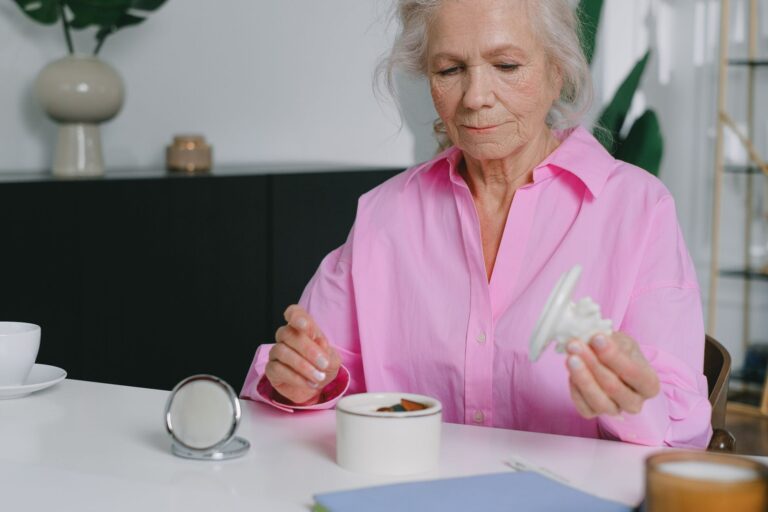
Emotional memory—the ability to feel the mood or emotional tone associated with past events—often persists when other memory types have largely faded. A person with dementia may not recall specific conversations with their spouse but will retain the emotional sense of being loved or secure in that relationship. Sensory experiences directly engage emotional memory, which means they can profoundly shift someone’s state of mind and engagement with their environment and caregivers. Consider a concrete example: a care facility introduced a “sensory cart” stocked with textured items (soft fabrics, wooden beads, a smooth river stone), scented items (essential oils, fresh herbs, spices), and sound makers (a rain stick, a small bell, a harmonica). A man with advanced Parkinson’s disease and dementia, who had been withdrawn and rarely interactive, spent hours running his fingers over velvet fabric and satin ribbon. His body visibly relaxed; his facial expression shifted from blank to something closer to peace.
He did not speak, and there’s no way to know if he was accessing a specific memory—but his emotional state improved significantly. His wife reported that she could engage with him more easily on those days, and his caregiver noted fewer instances of aggressive behavior. The sensory input didn’t “cure” his dementia or restore his memories, but it made his daily life feel less chaotic and his emotional world more accessible to those caring for him. Sensory experiences also reduce the sense of fear and disorientation that often accompany dementia. Someone in an unfamiliar place, uncertain who the people around them are, can be grounded and calmed by familiar sensory input—a particular song, a favorite fabric, a food that smells like home. This doesn’t erase the confusion, but it can interrupt the anxiety and fear response long enough for caregiving to happen more smoothly.
Designing Sensory Environments for Memory Care Facilities
Creating an effective sensory environment requires intentionality and knowledge of individual preferences. Generic “sensory rooms” that rely on bright lights, loud music, and random textures can actually be overstimulating and counterproductive. The goal is not sensory novelty but sensory meaning—stimuli that connect to the person’s past, preferences, and emotional responses. Effective sensory design includes soft, non-glare lighting (since harsh fluorescent light can increase agitation and disorientation), controlled soundscapes (music and ambient sound that the person has chosen or indicated they enjoy), scent options that can be adjusted based on individual response, and textured items that are safe and accessible. A well-designed space might have a small herb garden residents can touch and smell, a record player with music from their era, and a variety of tactile objects stored in an accessible basket.
The tradeoff is staffing: designing personalized sensory environments requires staff time to learn individual preferences, document what works and what doesn’t, and adjust activities accordingly. Facilities that implement sensory care effectively often report that it pays dividends in reduced agitation and behavior challenges—but it requires more staff attention, not less, in the short term. One practical difference between high-quality and mediocre sensory care is documentation. Facilities that track which sensory inputs produced which responses—which songs calmed someone, which scents seemed to distress them, which textures held their attention longest—can refine their approach and hand off that knowledge to new staff. Facilities without this practice often resort to trial-and-error and miss opportunities to consistently improve someone’s quality of life.
Sensory Overstimulation and Negative Outcomes
While sensory experiences can be powerful tools for connection and comfort, they can also cause harm if poorly chosen or poorly timed. Overstimulation—exposure to too many sensory inputs at once, or inputs that are too intense—can increase agitation, anxiety, and aggressive behavior in people with dementia. Someone with sensory sensitivities or previous trauma might find certain sensory experiences distressing rather than soothing. A specific warning: activities that combine multiple sensory channels without regard for the individual—such as playing loud music while strong scents are diffused in a crowded room—can push someone into sensory overload. This is particularly true for people with Lewy body dementia, who often have heightened visual and auditory sensitivities. A person can go from calm to highly agitated within minutes if sensory input exceeds their capacity to process it.
Staff need training to recognize the signs: flinching, increasing rigidity, withdrawal, increased vocalizations, or escalating attempts to escape the space. Additionally, sensory experiences can trigger unwanted memories or associations. Certain music, scents, or tactile sensations may be paired in someone’s brain with traumatic or painful experiences. Without knowing someone’s history, caregivers can inadvertently activate distressing memories. A facility should conduct careful intake interviews about sensory preferences and negative associations before implementing sensory activities. If a person becomes distressed during sensory engagement, the activity should stop immediately; the goal is never to force sensory input on someone whose nervous system is already dysregulated.
Staff Training and Sensory Best Practices
Effective sensory memory care requires more than a cart of objects—it requires staff training in observation, individual preference assessment, and responsive adjustment. A caregiver who can read the subtle signs that someone is becoming overstimulated or distressed, and who understands that a sensory activity that worked beautifully yesterday might not work today, is far more valuable than the most sophisticated sensory program.
Best practices include: documenting individual sensory preferences during intake; starting sensory activities in calm, one-on-one settings before introducing them in group settings; offering single sensory inputs rather than combining multiple at once; respecting a person’s right to decline or withdraw from a sensory activity; and training staff to recognize and respond to signs of overstimulation. A trained caregiver will notice that a particular resident becomes focused and calm when a certain type of music plays, and will ensure that this music is available during difficult care transitions like bathing or dressing. Without training, that same caregiver might only perceive sensory activities as optional recreational programming rather than as a legitimate tool for improving care quality.
Individual Sensory Preferences and Personalization in Daily Care
The most effective sensory memory care is deeply personalized. Someone with a lifetime of gardening might find profound comfort in handling soil, touching leaves, and smelling fresh earth—far more than someone for whom gardening holds no particular significance. A person who worked in a factory and is accustomed to mechanical sounds might find a “soothing nature sounds” recording irritating, while a person who spent their life in quiet rural settings might find the same sounds restorative. Personalization also means recognizing that sensory preferences can shift with time and disease progression.
Someone who enjoyed being held early in their dementia journey might develop tactile sensitivity as the disease advances and prefer to observe activities from a distance rather than participate physically. A caregiver must remain observant and willing to adjust. One specific example: a woman with moderate dementia had always disliked strong perfumes, but as her dementia progressed and her sense of smell dulled, her family discovered that light floral scents—which she would previously have found cloying—now seemed to orient her and calm her on difficult days. The scent hadn’t changed, but her processing of it had. Without ongoing attention to individual response and preference, this insight would have been missed, and the woman would have continued to receive sensory input that no longer served her needs.
- —