Reviewed by the Help Dementia Editorial Team — our editors review every article for accuracy against guidance from the National Institute on Aging, the Alzheimer’s Association, and peer-reviewed sources.
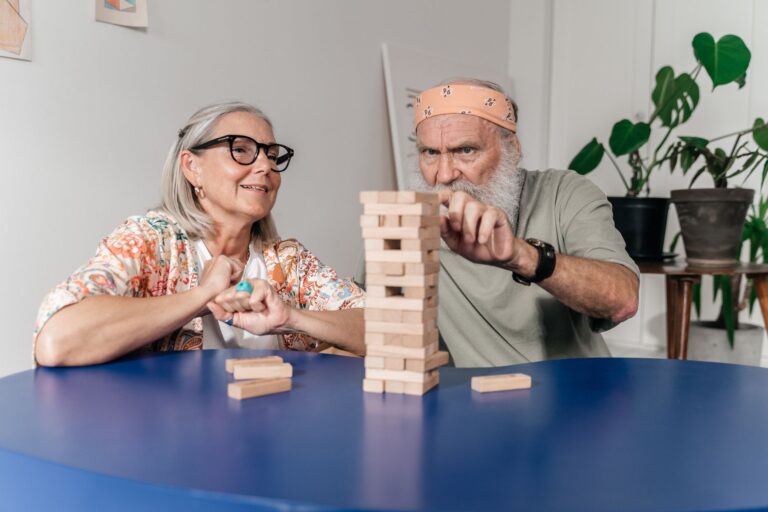
Yes, humor can genuinely help dementia care—but not as a cure or miracle solution. Laughter and lightheartedness, when used thoughtfully, reduce stress for both people with dementia and their caregivers, improve mood, and can create moments of connection that transcend memory loss. Research shows that humor activates different neural pathways than language-dependent thinking, meaning people who struggle to recall facts or follow conversations can still laugh at visual gags, silly wordplay, or familiar comedic routines. A family might notice their mother with Alzheimer’s, who hasn’t spoken in weeks, suddenly giggle at her grandchild’s exaggerated facial expressions—a reminder that joy exists beyond cognition.
The key is understanding what humor actually does and what it doesn’t. It won’t reverse cognitive decline or replace medical treatment. It won’t work for everyone, every time, or in every setting. But integrated thoughtfully into daily care routines, humor can ease the emotional weight of dementia for everyone involved, reduce anxiety during transitions, and give the person with dementia moments of genuine pleasure and feeling understood. This article explores how humor fits into dementia care, what science tells us about why it works, and practical ways to use it without forcing it.
Table of Contents
- How Does Humor Actually Help People with Dementia?
- When Humor Works—And When It Backfires
- The Caregiver Side of Humor in Dementia
- Practical Ways to Use Humor in Daily Dementia Care
- Dementia Stages and Humor—What Changes
- Humor in Group Settings and Dementia Programs
- The Future of Humor-Informed Dementia Care
- Conclusion
- Frequently Asked Questions
How Does Humor Actually Help People with Dementia?
Humor engages emotional and social brain systems that often remain intact even as memory and executive function decline. The brain’s limbic system—responsible for emotional responses—can still process humor long after the prefrontal cortex, which governs logic and language, begins to falter. This is why someone with advanced dementia might not remember your name but will laugh at the same silly joke repeatedly, each laugh feeling fresh and genuine. The humor works because it bypasses the cognitive processing that dementia damages, hitting directly at the emotional response. Laughter also triggers a cascade of physical benefits.
It increases endorphins, the body’s natural pain-relievers and mood elevators. It temporarily lowers cortisol, the stress hormone that runs high in both people with dementia and their caregivers. For someone experiencing anxiety, agitation, or sundowning—the late-afternoon confusion and behavioral changes common in dementia—a moment of genuine laughter can shift the entire mood. Caregivers report that shared laughter creates a brief pocket of normalcy and connection, a respite from the constant awareness of cognitive decline. For the person with dementia, humor offers relief from the frustration of not remembering, not understanding, or not being understood.

When Humor Works—And When It Backfires
Not all humor lands the same way for someone with dementia. Jokes that rely on timing, wordplay, or understanding abstract concepts often fail or confuse. Self-deprecating humor about memory loss might make a caregiver feel better but can deepen shame or reinforce negative self-image for the person with dementia. Physical comedy, familiar routines, and sensory humor—like silly sounds, exaggerated expressions, or funny songs—tend to work better. What matters more than clever wordplay is the intent and tone: humor that comes from genuine affection lands; humor that feels mocking or dismissive, even unintentionally, can backfire into withdrawal or anger. There’s also a real risk of using humor to avoid necessary conversations or to minimize serious concerns.
A caregiver might deflect a person’s repeated question about a deceased spouse with a joke instead of offering honest comfort. Or a family might laugh off concerning behaviors that actually signal pain, infection, or a medication side effect. Humor works best as part of care, not as a substitute for it. Additionally, some people with dementia have less capacity for humor as the disease progresses, or their sense of humor changes. What was funny to them before dementia might feel foreign or irritating. Paying attention to what actually makes this specific person smile or laugh—not what you think should make them laugh—is essential.
The Caregiver Side of Humor in Dementia
Caregiving for someone with dementia is exhausting, often thankless work that can stretch on for years. Humor offers caregivers a critical pressure valve. A shared laugh with the person you’re caring for, or among fellow caregivers, provides momentary psychological relief and reinforces the human connection beneath the disease. Some care facilities and support groups have found that incorporating lighthearted moments—a silly activity, a funny movie, or just permission to find the absurdity in small moments—significantly improves caregiver burnout and retention.
However, there’s a difference between healthy humor that sustains caregivers and dark gallows humor that masks unprocessed grief and frustration. Joking about the person’s decline, their forgetfulness, or their bodily functions can become a way caregivers distance themselves emotionally from the person they’re caring for. It’s worth examining whether humor is connecting you or separating you from the person with dementia. A daughter might laugh with her father at his own confused comment, which feels warm and inclusive; the same comment might become a joke told to friends, which feels like mockery. The context and direction of the humor matter enormously.

Practical Ways to Use Humor in Daily Dementia Care
Humor works best when it’s woven into routines rather than forced or performed. Watching a comedy show together, even one the person has seen before, can anchor the day. Silly songs, funny videos made by family members, or simple physical comedy during transitions—like exaggerating movements while getting ready for lunch—can ease resistance and create moments of levity. Some families develop inside jokes or funny routines specific to their relationship; a particular phrase, expression, or action becomes shorthand for shared laughter that acknowledges the oddness of a situation without cruelty. The tradeoff is effort versus authenticity.
Pre-planned entertainment or forced jokes can feel hollow and backfire, making everyone feel more uncomfortable. A spontaneous moment of silliness—you accidentally trip slightly, or you both notice a funny-looking cloud—often lands better because it’s real. The person with dementia can sense when you’re trying, sometimes too hard. Permission to let things be a little ridiculous, to find the absurd moments that naturally occur in any day, often serves better than carefully curated humor. The goal isn’t to be a comedian but to be present in a way that allows both of you to access lightness when it appears.
Dementia Stages and Humor—What Changes
In early dementia, people can understand and even generate humor, though they might repeat jokes or miss nuance. Humor can help them process and cope with their own diagnosis. In middle-stage dementia, humor often needs to become simpler—less reliant on language, more rooted in sensory experience or familiar routines. Late-stage dementia presents real challenges: the person may no longer be able to show they’re laughing, may not respond visibly, or may react negatively to anything that feels startling or confusing. Here’s the warning: continuing to attempt humor without visible response can feel like you’re laughing at the person rather than with them, even if that’s not your intention.
Some families find that their presence and calm tone matter more than any specific attempt at humor. A familiar song, even hummed without expectations, might bring a subtle smile. But it’s equally important to recognize when humor isn’t working for that person in that stage and to shift to other forms of connection—touch, music, simply being present. Dementia is not a linear progression, and the same person might respond to humor some days and reject it others. Flexibility and attention to the individual are more important than consistency with any one approach.

Humor in Group Settings and Dementia Programs
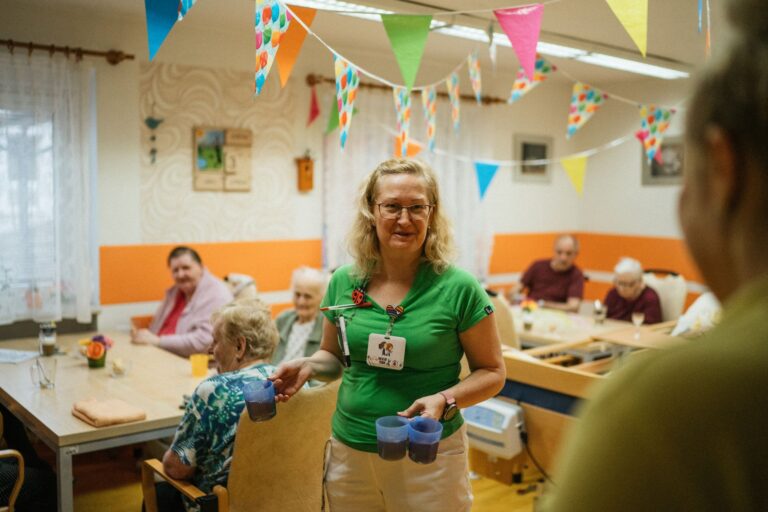
Many dementia day programs and care facilities have incorporated humor and laughter as part of activities. Laughter yoga, comedy films, funny animal videos, and silly group activities have shown promise in improving mood and reducing agitation across the group. These activities work partly because laughter is contagious; one person’s genuine laugh can spark others, creating a moment of shared joy that temporarily lifts the weight of the room. A specific example: a care facility introduced a weekly “silly movie” hour featuring old comedy films and animated shorts.
Staff noticed not only that residents seemed more relaxed and cheerful during and after, but that some who rarely engaged with activities would sit and watch, occasionally laughing aloud. The cost was minimal—free or inexpensive content—and the benefit was measurable in mood and social engagement. But not every resident enjoyed it, and forcing someone to attend made the situation worse. The lesson: humor works as a resource available in the environment, not as a mandate.
The Future of Humor-Informed Dementia Care
As dementia care becomes more person-centered and focused on quality of life, not just medical management, humor is being recognized as a legitimate therapeutic tool. Training programs for dementia care workers are increasingly including modules on communication, connection, and yes, appropriate humor. Researchers continue to study the neural and psychological mechanisms of why humor works in dementia, and the evidence increasingly points to its value not as treatment but as a fundamental part of maintaining dignity and emotional well-being.
The forward-looking insight is that humor is not frivolous in serious illness. It’s part of being human. Supporting the capacity for joy, laughter, and lightness as cognitive abilities decline is not distraction or denial—it’s acknowledging that the person with dementia is still a whole person deserving of pleasure and connection, even when other capacities are fading.
Conclusion
Humor can help dementia care by reducing stress, creating connection, and offering moments of genuine joy to both the person with dementia and their caregivers. It works because it bypasses some of the cognitive pathways that dementia damages, engaging emotional and social circuits that often remain intact. But humor is not a treatment, not a substitute for medical care, and not a one-size-fits-all solution. It works best when it’s authentic, responsive to the individual’s preferences and stage of dementia, and integrated into care rather than performed at the person.
If you’re caring for someone with dementia, notice what genuinely makes them smile or laugh, and give yourself permission to find moments of lightness in the day. Pay attention to the difference between humor that connects and humor that distances. And remember that sometimes presence and silence are enough—not every moment needs laughter, and forcing it can backfire. The goal is simply to sustain the human capacity for joy, in small measures, for as long as possible.
Frequently Asked Questions
Will humor help my parent remember things they’ve forgotten?
No. Humor doesn’t restore memory or slow cognitive decline. But it can ease the emotional distress of memory loss and create moments of connection that feel meaningful in the moment.
What if my parent doesn’t seem to find anything funny anymore?
As dementia progresses, some people lose interest in humor or their sense of humor changes. Watch for subtle signs—a slight smile, a quieter moment of calm—that might indicate enjoyment even without obvious laughter. If nothing seems to land, shift to other forms of connection. Not everything needs to be funny.
Is it wrong to laugh at things my parent does or says while they have dementia?
It depends on intent and impact. Laughing together at something silly your parent said or did—in a way they can feel is warm and inclusive—can be connecting. Laughing at them as a way to mock or process your own frustration is different. Pay attention to the direction and tone of the humor.
Can humor replace other therapies or treatments for dementia?
No. Humor is supportive, not curative. Continue all prescribed medications, doctor visits, and evidence-based care. Humor is an addition to care, addressing quality of life and emotional well-being, not the disease itself.
Where should I find good content or activities that use humor?
Look for classic comedy films, silly animal videos, family-friendly funny content from different eras, and simple physical comedy. Ask your parent what made them laugh before dementia. Many dementia care facilities now offer humor-based activities; ask your doctor or local Alzheimer’s Association chapter for recommendations.
Should I feel guilty for finding some aspects of dementia darkly funny?
No. Caregivers often use dark humor to process stress and absurdity. That’s human and normal. The key is being thoughtful about when and with whom you share that humor—not with the person with dementia, and not as a substitute for processing the real grief and difficulty of caregiving.
You Might Also Like
- Can Geriatricians Manage Dementia Care?
- Can Physical Therapy Help Dementia Patients Stay Mobile?
- Can Memory Clinics Help Families Navigate Care?
For more, see NIH MedlinePlus — dementia.