Reviewed by the Help Dementia Editorial Team — our editors review every article for accuracy against guidance from the National Institute on Aging, the Alzheimer’s Association, and peer-reviewed sources.
Doctors say sits at the center of this dementia and brain health question.
Reducing air pollution exposure may be one of the simplest and most accessible steps you can take to lower your dementia risk. Recent medical research suggests that cleaner air directly translates to better brain health, with doctors increasingly recommending air quality improvements as a primary prevention strategy. Unlike complex medical interventions or expensive treatments, many air pollution reduction tactics require only awareness and behavioral changes—making this one of the most straightforward ways to protect cognitive function as you age. The evidence is compelling: a major National Institutes of Health study tracking over 27,000 adults aged 50 and older found that 15% developed dementia during follow-up, with researchers estimating that fine particulate matter (PM2.5) exposure alone accounts for approximately 188,000 dementia cases annually in the United States.
For every 10 micrograms per cubic meter increase in PM2.5—a measurement of tiny particles in the air—a person’s dementia risk rises by 17%. This means someone living near a busy highway faces significantly higher risk than someone in a cleaner area, yet the solution doesn’t require moving or major life disruption. What makes this approach so promising is its simplicity. You cannot easily change your genetics or family history of dementia, but you can modify your exposure to air pollution. This article explores how air quality affects your brain, what the latest research reveals about the specific dangers, and what practical steps you can implement today.
Table of Contents
- How Does Air Pollution Increase Dementia Risk?
- Understanding Fine Particulate Matter and Brain Health
- Real-World Exposure: Where Does Air Pollution Affect You Most?
- Practical Steps to Reduce Your Personal Air Pollution Exposure
- Know Your Local Air Quality and Set Realistic Expectations
- What the Latest 2024 Research Adds to Our Understanding
- The Future of Air Pollution and Dementia Prevention
- Conclusion
How Does Air Pollution Increase Dementia Risk?
Air pollution damages the brain through multiple mechanisms that scientists are still uncovering. Fine particulate matter—particles smaller than 2.5 micrometers—can bypass the lungs and enter the bloodstream, traveling directly to the brain. Once there, these particles trigger inflammation, damage blood vessels that supply oxygen and nutrients to brain cells, and accumulate in neural tissue. A single microgram per cubic meter increase in PM2.5 exposure corresponds to a 16% greater hazard of all-cause dementia, suggesting that even modest improvements in air quality can meaningfully reduce risk.
The Ontario study involving 6.6 million people provides a real-world example of this danger: individuals living within 50 meters of a major road were 7% more likely to develop dementia than those living 300 meters away. That relatively short distance—roughly the length of two-and-a-half football fields—was enough to meaningfully change dementia outcomes. The closer you live to highways, busy intersections, or industrial areas with heavy vehicle traffic, the greater your exposure to concentrated pollution plumes. One particularly encouraging finding offers hope: when researchers examined periods when PM2.5 concentrations actually decreased—specifically between 1990 and 2000 when air quality improved across many regions—dementia risk fell by 15% and Alzheimer’s disease risk fell by 17% per microgram reduction. This proves the relationship works both directions: cleaner air genuinely reduces dementia cases, not just statistically but in real populations that benefited from environmental improvements.
Understanding Fine Particulate Matter and Brain Health
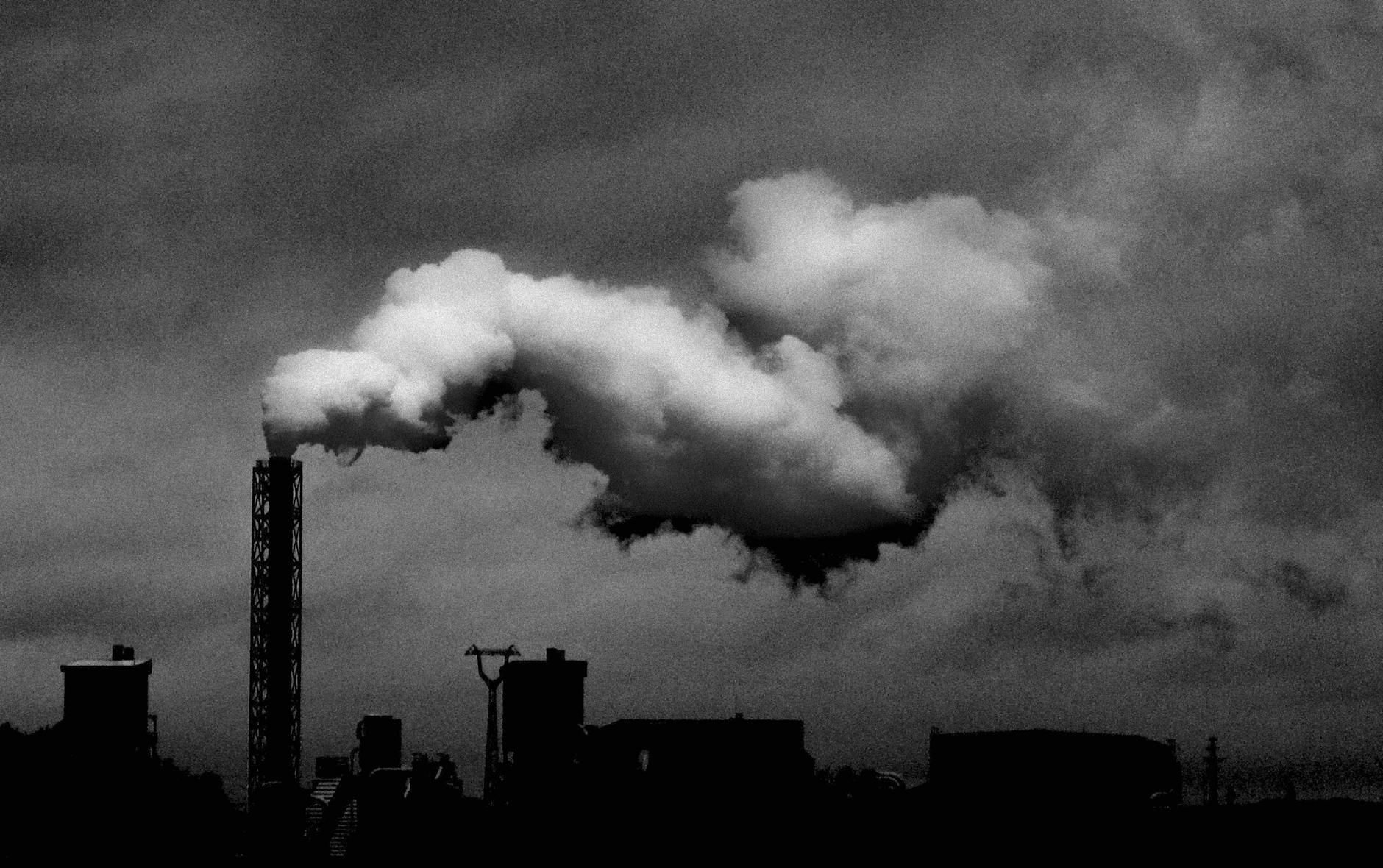
Fine particulate matter deserves special attention because it’s the primary pollutant linked to dementia in recent research. Unlike larger dust particles you can see, PM2.5 particles are invisible and remain suspended in air for hours or even days. They come from vehicle exhaust, industrial emissions, power plants, wildfires, and even cooking indoors. Because they’re so small, these particles evade your body’s natural filtering mechanisms and penetrate deep into the lungs and beyond. The 2024 Lancet Commission on dementia prevention identified air pollution as one of only 14 modifiable risk factors for dementia—placing it in the same category as cardiovascular health, cognitive activity, and social engagement. This distinction matters because it means doctors now view air quality not as a minor environmental concern but as a critical factor in brain health and dementia prevention.
However, there’s an important limitation to understand: individual actions have limited impact on overall air quality. You can reduce your personal exposure, but you cannot single-handedly clean up a polluted city. Air pollution is fundamentally a public health problem requiring policy changes and community-level solutions. The World Health Organization’s 2025 roadmap targets a 50% reduction in air pollution mortality by 2040 (measured from 2015 baseline levels), driven largely by reductions in fine particulate matter. This reflects growing global recognition that air quality is not a luxury concern but a health imperative. Yet many regions remain far from these targets, meaning millions continue breathing unhealthy air daily.
Real-World Exposure: Where Does Air Pollution Affect You Most?
Your daily environment significantly determines your air pollution exposure. Urban residents typically face higher concentrations of particulate matter than rural populations, especially those living near major roads, highways, or industrial zones. The Ontario findings about road proximity apply across the globe: living within a few hundred meters of consistent traffic or pollution sources meaningfully changes your health trajectory. A teacher working in a school five blocks from a highway faces different risks than one at a school in a quieter neighborhood. Indoor air pollution presents another exposure avenue often overlooked. Poor indoor air quality from heating systems, cooking without ventilation, household chemicals, and mold can contribute to cognitive decline.
For older adults who spend substantial time indoors, ensuring good ventilation and using air purifiers can reduce overall particulate exposure. A person who spends 22 hours daily indoors benefits significantly from controlling that indoor environment, even if outdoor air quality remains poor. Wildfire smoke provides a dramatic example of temporary but intense air quality degradation. During wildfire season, PM2.5 levels can spike 10 to 50 times above normal levels within hours. Residents in affected regions face brief periods of extreme exposure, which the research suggests still contributes to cumulative cognitive risk over years and decades. Those who experience repeated wildfire smoke seasons are essentially receiving higher-than-average pollution exposure over their lifetimes.

Practical Steps to Reduce Your Personal Air Pollution Exposure
reducing your air pollution exposure involves practical strategies that range from simple to moderately involved. The most straightforward approach is checking daily air quality indexes before spending extended time outdoors. Most cities now publish real-time air quality data through government websites or smartphone apps. On high-pollution days, limiting outdoor exercise and staying indoors with windows closed can meaningfully reduce your exposure. This requires no financial investment—just awareness and small daily adjustments. For those willing to invest, air purifiers with HEPA filters effectively remove fine particulate matter from indoor spaces. Running a purifier in your bedroom during sleep, when you spend 7-8 hours breathing, can reduce overnight exposure significantly.
However, this approach has limitations: air purifiers only work within a contained space and don’t reduce the pollution you encounter during commutes, shopping, or outdoor activities. A comprehensive approach combines air purifiers at home, outdoor exposure reduction on high-pollution days, and longer-term choices about where you spend time daily. Commute choices offer another lever. If feasible, avoiding driving during peak traffic hours or considering routes that avoid major highways can reduce your personal exposure. Some people find that cycling or walking at times with lower traffic provides psychological and cardiovascular benefits while actually reducing pollution exposure compared to driving. Carpooling concentrates exposure among fewer vehicles. These choices compare favorably to accepting baseline highway commute pollution over decades of working life—the cumulative difference is substantial.
Know Your Local Air Quality and Set Realistic Expectations
Most people have no baseline understanding of their local air quality. Before implementing changes, check your city’s Air Quality Index (AQI) for the past year. Some cities consistently maintain moderate or good air quality, while others regularly exceed safe levels. Understanding whether you live in a relatively clean area or a pollution hotspot informs which interventions matter most. Someone in a city with frequent “unhealthy” AQI days faces greater urgency than someone in an area with mostly “good” ratings. One important warning: there’s a psychological risk of over-personalizing air quality concerns. While individual choices matter, they’re far smaller in impact than systemic environmental factors.
You cannot breathe cleaner air by willpower alone if your city’s ambient air quality is poor. This reality sometimes discourages people from taking meaningful personal actions. The evidence suggests the opposite conclusion is appropriate: because you cannot control everything, the actions you can control—choosing where you spend time, using air purifiers indoors, exercising at times with lower pollution—become more valuable, not less. Regional variation in pollution levels is extreme. A person relocating from Los Angeles to rural New England experiences a dramatic air quality improvement that likely reduces dementia risk over decades. Yet relocation isn’t practical for most people, highlighting why both personal exposure reduction and policy-level air quality improvements matter. The most realistic approach combines accepting your local baseline air quality while implementing available personal mitigation strategies.

What the Latest 2024 Research Adds to Our Understanding
The 2024 Lancet Commission’s comprehensive review synthesized decades of dementia research and identified air pollution as one of only 14 modifiable factors that actually reduce dementia risk when changed. This was not speculative—it was based on multiple large studies following populations over many years. Alongside air quality improvements, the commission recommended maintaining cardiovascular health, engaging in cognitive activity, managing hearing loss, and limiting alcohol use. Air quality ranked alongside these established interventions, suggesting doctors should now discuss air pollution with patients the way they discuss exercise and diet. Recent neuroimaging studies show that prolonged PM2.5 exposure correlates with structural brain changes—reduced brain volume and altered white matter integrity—even in people not yet showing cognitive symptoms.
This means air pollution damage accumulates silently for years before dementia becomes apparent. Someone breathing polluted air today might not develop noticeable cognitive decline for 10 or 20 years, but the damage is progressing. This underscores the importance of prevention starting now, not waiting for symptoms to appear. The research gap that remains: most dementia studies focus on outdoor air pollution, with less data on indoor air quality’s cognitive effects. For older adults spending most time indoors, this represents an underexplored area where personal interventions might matter even more than outdoor exposure changes.
The Future of Air Pollution and Dementia Prevention
As air quality emerges as a recognized dementia risk factor, expect increasing medical attention to this modifiable exposure. Forward-looking health systems are beginning to ask patients about their proximity to major pollution sources during cognitive assessment, similar to how they ask about smoking history. Some researchers propose that dementia prevention programs should include air quality counseling alongside cardiovascular risk reduction and cognitive engagement recommendations.
The WHO’s 2025 roadmap signals global recognition that air pollution reduction is a health priority, not just an environmental preference. As cities implement stricter emissions standards and shift transportation toward electric vehicles, ambient air quality should gradually improve. This creates a dual opportunity: those living through air quality improvements today may experience cumulative cognitive benefits, while simultaneously helping build the cleaner-air infrastructure that protects future generations from dementia risk. The evidence clearly suggests this investment in cleaner air pays dividends in brain health.
Conclusion
Doctors increasingly agree that reducing air pollution exposure represents one of the simplest and most accessible dementia prevention strategies available. The evidence is substantial: PM2.5 exposure increases dementia risk by 17% per 10 micrograms per cubic meter, while living near major roads elevates risk measurably. More encouragingly, when communities successfully reduced air pollution levels, dementia cases declined by 15-17%, proving this is a modifiable factor that genuinely changes health outcomes.
Starting today, check your local air quality data, implement practical exposure-reduction strategies that fit your lifestyle, and advocate for cleaner air in your community. Whether through air purifiers, strategic outdoor timing, informed commute choices, or supporting local environmental policies, these steps give you concrete tools to protect your cognitive health. Air quality prevention works not because it requires dramatic sacrifice but because it’s integrated into ordinary daily life—making it perhaps the most straightforward way doctors recommend to lower your dementia risk.
You Might Also Like
- Doctors Say reducing loneliness is the Easiest Way to Lower Dementia Risk
- Doctors Say reducing loneliness is the Easiest Way to Lower Dementia Risk
- Doctors Say wearing hearing aids is the Easiest Way to Lower Dementia Risk
For more, see Alzheimer’s Association.