Reviewed by the Help Dementia Editorial Team — our editors review every article for accuracy against guidance from the National Institute on Aging, the Alzheimer’s Association, and peer-reviewed sources.
Simple change sits at the center of this dementia and brain health question.
Swimming can reduce your dementia risk by up to 28 to 31 percent, according to recent research on aquatic exercise and brain health. When you swim regularly—specifically 20 minutes or more, five times a week—your brain receives protective benefits that may prevent or delay the onset of dementia and cognitive decline. A 72-year-old woman in Boston who started lap swimming three years ago after her mother was diagnosed with Alzheimer’s found not only that her cognitive tests improved, but that her overall memory and mental sharpness stabilized over time, giving her confidence that she was taking meaningful action for her brain’s future. The protection comes from multiple mechanisms.
Regular aerobic exercise like swimming reduces dementia risk by 30 to 40 percent overall, with some studies showing up to 45 percent risk reduction when exercise begins in mid-life or continues into late life. Swimming offers particular advantages because it combines cardiovascular exercise, low-impact movement, and—if done in cool or cold water—exposure to protective proteins like RBM3that your body produces as a stress response, which appears to shield nerve cells from damage. This is not a miracle cure, but a practical intervention backed by epidemiological research. Your brain responds to consistent physical activity, and swimming is one of the most accessible and sustainable forms that people can maintain throughout their lives.
Table of Contents
- How Does Swimming Protect Against Dementia?
- What Frequency and Duration of Swimming Actually Prevents Dementia?
- Does Cold Water Swimming Offer More Protection Than Warm Water Swimming?
- How Should You Start a Swimming Program for Brain Health?
- What If You Cannot Swim or Have Joint Problems?
- Can Swimming Help People Who Already Have Dementia?
- What Does the Future of Swimming and Dementia Prevention Look Like?
- Conclusion
How Does Swimming Protect Against Dementia?
The dementia-prevention effect of swimming works through several biological pathways. When you exercise aerobically, your brain receives increased blood flow, which delivers more oxygen and nutrients to the neurons most vulnerable to age-related decline. Swimming specifically activates the hippocampus—the region responsible for memory formation—more intensely than land-based exercise, because the water’s resistance and buoyancy force your muscles to work while your nervous system manages balance and spatial awareness simultaneously. This dual demand strengthens neural networks.
Research from Boston University’s School of Public Health in 2025 found that people who exercised regularly in mid-life (ages 45 to 64) reduced their dementia risk by 41 percent, while those who maintained or started exercise in late life (ages 65 to 88) saw risk reduction of up to 45 percent. This means you can begin swimming at any age and still reap cognitive protection. A secondary protective factor emerges from cold-water swimming specifically: the RBM3 protein, or “cold-shock” protein, activates in regular winter swimmers. Laboratory studies show RBM3 has neuroprotective properties—it appears to prevent cell death in neurons and may help maintain cognitive function under stress. The comparison to other exercises is worth noting: while running and cycling also reduce dementia risk significantly, swimming offers the advantage of being gentler on joints while providing superior cardiovascular benefit and water-based resistance training simultaneously.

What Frequency and Duration of Swimming Actually Prevents Dementia?
The specific threshold for protection is 20 minutes of sustained swimming, five times per week. This is not an arbitrary number—it comes from epidemiological studies tracking swimmers’ health outcomes over decades. At this level, the 28 percent risk reduction becomes statistically significant. Less frequent swimming provides some benefit, but the cognitive protection plateaus if you swim irregularly or for shorter durations. However, there is an important limitation: most published research on swimming and dementia prevention comes from observational studies, not randomized controlled trials.
This means researchers tracked people who chose to swim, not people assigned to swim in a clinical experiment. People who swim regularly may also exercise in other ways, eat better diets, or have higher baseline cognitive function—factors that independently reduce dementia risk. The 28 to 31 percent figure likely includes some contribution from these unmeasured lifestyle factors, so your individual risk reduction may be somewhat different depending on your overall health. Additionally, swimming at a leisurely pace or in a hot-water pool (common in therapeutic settings) may not produce the same cardiovascular intensity needed for maximum brain benefit. One practical limitation is accessibility: not everyone lives near a pool, can afford membership fees, or has the physical ability to swim. If you have joint problems or have never learned to swim, water aerobics or shallow-water walking provides similar cardiovascular benefits, though the evidence base is smaller.
Does Cold Water Swimming Offer More Protection Than Warm Water Swimming?
Cold-water swimming appears to offer an additional protective layer beyond regular aerobic exercise. When you swim in water below 15°C (59°F)—which occurs in outdoor pools, lakes, or unheated facilities—your body produces RBM3, a cold-shock protein. In laboratory models of neurodegeneration, RBM3 activates heat-shock responses that protect neurons from the protein misfolding and cell death associated with Alzheimer’s disease. Some preliminary evidence suggests regular winter swimmers may have elevated baseline RBM3 levels that offer ongoing neuroprotection. This does not mean you must swim in ice-cold water to gain dementia prevention benefits.
The 28 percent risk reduction cited in major studies includes swimmers in temperate and warm pools. However, if you have access to cooler water and can tolerate it safely, the additional RBM3 response may enhance your protection. A 64-year-old outdoor swimmer in Maine who swims year-round in water ranging from 35°F in winter to 70°F in summer reported both the physical challenge and sense of purpose kept her mentally sharp—she had her cognitive testing done and scored well above average for her age. The trade-off is real: cold-water swimming carries a small risk of sudden immersion shock or cold-water heart stress in people with underlying cardiac conditions. If you have high blood pressure, heart disease, or are over 70, swimming in progressively cooler water (starting with warm, then gradually cooling) is safer than plunging into ice water without acclimation.
How Should You Start a Swimming Program for Brain Health?
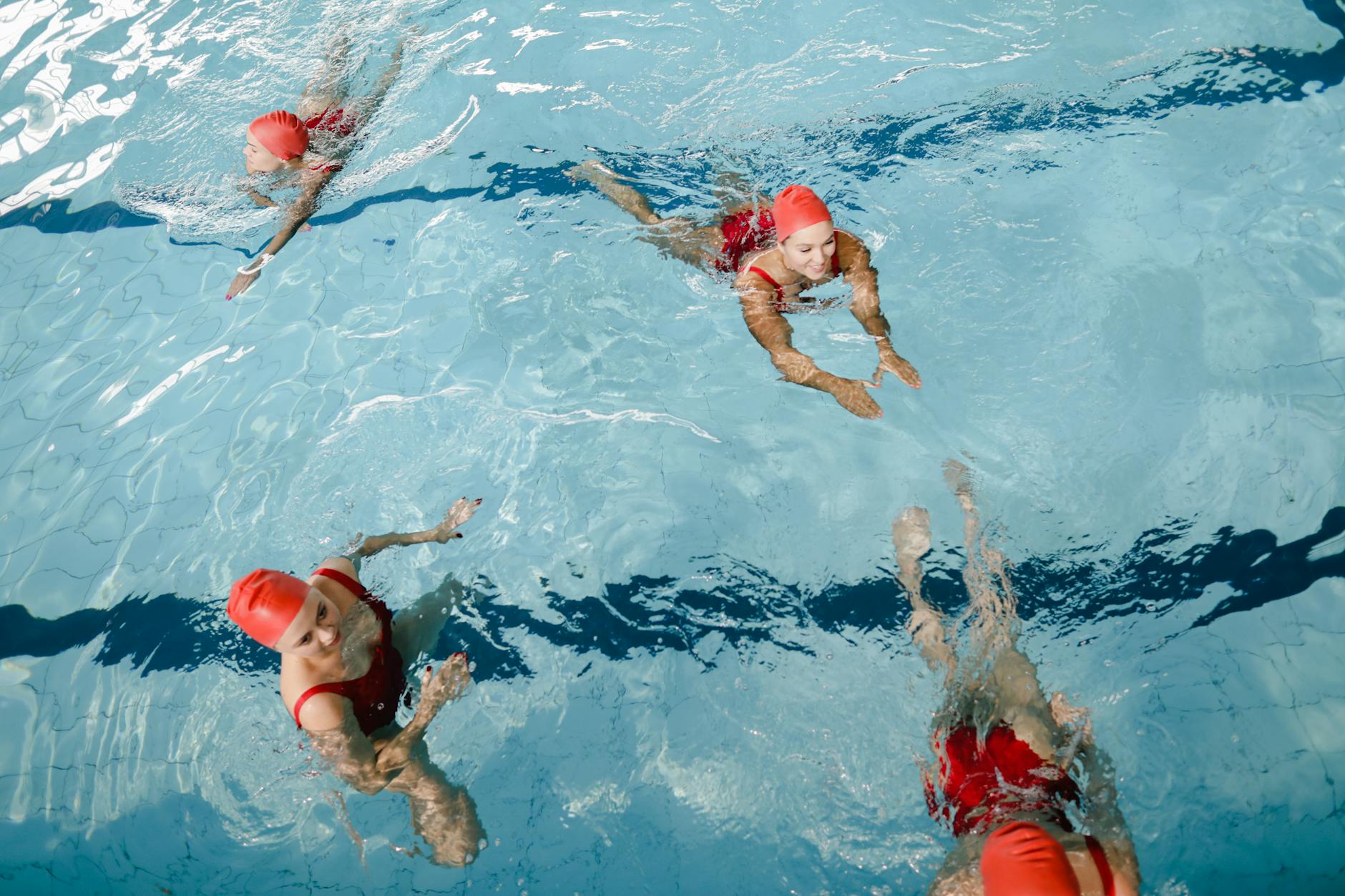
Begin with a realistic frequency target: three to four times per week for 20 to 30 minutes is an achievable entry point, and you can increase to five times weekly once the habit is established. The style of swimming matters less than consistency; whether you do laps, water aerobics, or continuous swimming back and forth, the cardiovascular demand is what protects your brain. Many people find that morning swimming before work builds a routine that sticks, while others prefer lunch-hour or evening sessions. Compare this to starting a running program, which can be harder on your knees and ankles after age 60, or to home-based aerobic exercise, which requires discipline and lacks the social component.
Swimming offers a practical advantage: the pool provides a bounded environment, you cannot get lost, and many pools have group classes or lap-swimming times when other swimmers are present, which adds a social element that itself protects cognitive health. A 78-year-old man in Arizona who joined a lap-swimming group reported that the combination of exercise, social interaction with other swimmers, and the mental focus required to maintain rhythm actually improved his mood and sleep quality alongside his cognitive function. The practical starting point is to find a pool within 15 minutes of your home or workplace, decide on a time slot, and commit to attendance the same way you would a standing appointment. Cost is one trade-off: pool memberships typically range from $40 to $150 per month, which is an ongoing expense that not everyone can sustain. Some communities offer subsidized or free pool access through senior centers or public facilities.
What If You Cannot Swim or Have Joint Problems?
Not everyone can swim, and this is an important limitation of swimming-based dementia prevention. If you have arthritis, previous joint injuries, or late-stage mobility loss, swimming may be uncomfortable or impossible. Additionally, about 68 percent of American adults cannot swim at a proficient level, so fear of water or lack of swimming skills is a real barrier. The alternative is water aerobics or shallow-water walking, which provides similar cardiovascular benefit at lower intensity.
These options activate the same muscle groups and elevate heart rate sufficiently to improve brain blood flow, though the evidence base for water aerobics and dementia prevention is smaller than for lap swimming. If water exercise is not accessible, land-based aerobic exercise—walking, cycling, dancing, or running—reduces dementia risk by the same 30 to 40 percent magnitude. The key is sustained aerobic activity at a level where you can talk but not sing comfortably, maintained at least five times per week. One warning: if you have cardiac arrhythmias, uncontrolled blood pressure, or recent heart surgery, consult your cardiologist before beginning any new exercise program, including swimming. The sudden change in body temperature and water pressure can stress the heart, and swimming alone (without a lifeguard or companion) is not safe for people with seizure disorders or severe cardiac conditions.

Can Swimming Help People Who Already Have Dementia?
For people who already have a dementia diagnosis, swimming and water-based activities offer a different but real benefit: reduction in behavioral and psychological symptoms. People with moderate to severe dementia often experience agitation, aggression, anxiety, and depression as the disease progresses. Research published in geriatric medicine journals shows that aquatic therapy—structured water-based exercise in a warm pool with trained supervision—reduces these distressing symptoms more effectively than land-based activities.
The mechanism is partly physiological (exercise increases endorphins and reduces cortisol) and partly environmental (warm water is soothing, weightlessness reduces pain, and the sensory experience of water can calm anxiety). A residential care facility in Massachusetts introduced aquatic therapy sessions twice weekly for residents with dementia and reported significant reductions in agitation and improvements in sleep quality. These findings suggest that while swimming may not reverse cognitive decline, it offers meaningful quality-of-life improvement for people living with dementia and their caregivers.
What Does the Future of Swimming and Dementia Prevention Look Like?
Emerging research is moving beyond observational studies toward understanding exactly which components of swimming confer the most protection. Are the benefits purely from cardiovascular fitness, or do the balance demands, spatial navigation, and rhythmic movement contribute independently? Are there genetic variations that determine who benefits most from cold-water swimming? Are there optimal ages to start swimming to maximize dementia prevention over a lifetime? These questions are now the focus of prospective research studies.
As the population ages and dementia prevalence climbs, simple, sustainable interventions like swimming become increasingly valuable. Unlike medications that may have side effects or cognitive training games that have not proven durable benefits in clinical trials, swimming delivers multiple benefits—cardiovascular health, joint mobility, social connection, and psychological well-being—alongside dementia prevention. The evidence does not suggest swimming is a substitute for treating high blood pressure, diabetes, or high cholesterol, but it is a complementary practice that is accessible and enjoyable enough to sustain over decades.
Conclusion
Swimming 20 minutes, five times per week can reduce your dementia risk by 28 to 31 percent, with the protection attributable to improved blood flow to the brain, activation of memory-related neural networks, and—in cold-water swimming—production of neuroprotective proteins like RBM3. This finding emerges from epidemiological research tracking thousands of swimmers over years, and it holds across age groups: mid-life swimmers see 41 percent risk reduction, while late-life swimmers achieve 45 percent reduction. The benefit is real, achievable, and sustained only by consistency.
Your next step is practical: locate a pool within accessible distance, determine a realistic frequency (starting with three times weekly and building to five), and begin. Whether you swim laps, participate in water aerobics, or move continuously in the pool matters less than maintaining the habit. If swimming is not possible for you, land-based aerobic exercise offers similar protection. Dementia prevention is not a matter of single interventions but of sustained choices across decades—and swimming is one of the most evidence-supported, joint-friendly, and maintainable choices available.
You Might Also Like
- Simple Change to yoga May Prevent 52 Percent of Dementia Cases
- Simple Change to yoga May Prevent 52 Percent of Dementia Cases
- Simple Change to tai chi May Prevent 42 Percent of Dementia Cases
For more, see CDC — Alzheimer’s and Dementia.