Reviewed by the Help Dementia Editorial Team — our editors review every article for accuracy against guidance from the National Institute on Aging, the Alzheimer’s Association, and peer-reviewed sources.
Recent internet searches have circulated claims linking the measles vaccine to slower cognitive decline, but this narrative is not supported by credible scientific evidence. In fact, when examining peer-reviewed research from major medical institutions and journals, the actual findings demonstrate the opposite: measles vaccination is associated with improved cognitive outcomes and may help protect against age-related cognitive decline.
For readers of a dementia care website seeking reliable health information, understanding this distinction between misinformation and evidence-based science is crucial—especially when making health decisions for aging loved ones or yourself. The confusion around this claim stems from broader vaccine hesitancy narratives that have been thoroughly investigated and debunked by researchers at institutions like the National Institutes of Health, Stanford Medicine, and the New England Journal of Medicine. A longitudinal cohort study following children in Ethiopia, India, and Vietnam found that measles-vaccinated children scored significantly higher on vocabulary and mathematics tests at ages 7-8 years compared to unvaccinated children—a finding that aligns with mounting evidence that routine vaccination protects brain health, not harms it.
Table of Contents
- What Does Research Actually Show About Measles Vaccination and Cognitive Health?
- Why Has Measles Misinformation Persisted Despite Contradicting Evidence?
- Actual Neurological Risks of Unvaccinated Measles Infection
- Distinguishing Credible Research From Misinformation Online
- Measles Resurgence and Its Real Neurological Implications for Aging Adults
- Recent Research on Vaccines and Neurological Protection
- Moving Forward: Building Resilience Against Health Misinformation
- Conclusion
What Does Research Actually Show About Measles Vaccination and Cognitive Health?
The scientific consensus is clear: measles vaccination does not cause cognitive decline. Instead, recent research published in Nature Reviews Neurology and the new England Journal of Medicine indicates that routine vaccines, including the MMR vaccine (which protects against measles, mumps, and rubella), are associated with reduced risk of Alzheimer’s disease and dementia in older adults. A pivotal longitudinal study examining children across three developing nations found that vaccinated children demonstrated superior cognitive performance in standardized testing, suggesting protective rather than harmful effects on brain development.
The measles virus itself, by contrast, carries genuine neurological risks. Measles infection can cause encephalitis (brain inflammation), subacute sclerosing panencephalitis (SSPE, a progressive neurological disease), and has been linked to measles-associated immune suppression that increases vulnerability to other infections. Unvaccinated individuals who contract measles face measurable cognitive and neurological risks—the opposite of what vaccine-hesitant claims suggest.

Why Has Measles Misinformation Persisted Despite Contradicting Evidence?
The resurgence of measles misinformation cannot be separated from the broader anti-vaccine movement, which has systematically linked vaccines to autism, cognitive disorders, and developmental problems—all claims that have been thoroughly debunked by peer-reviewed research. According to recent data, measles vaccination rates have declined 78% since 2019 in the United States, creating a public health vulnerability that misinformation has actively exploited. As vaccination rates drop, measles cases rise, and the internet fills with unverified health claims that can easily mislead patients and families.
One critical limitation of combating this misinformation is that false claims often spread faster than corrections. A study circulating online that claims to link measles vaccines to cognitive decline may gain traction on social media or alternative health websites before reliable sources can provide context. For dementia patients and their caregivers, this creates a real challenge: how do you evaluate health information when authoritative-sounding claims conflict with mainstream medicine?.
Actual Neurological Risks of Unvaccinated Measles Infection
The evidence regarding measles infection itself presents a stark contrast to vaccine safety. When measles spreads through unvaccinated populations, it causes documented neurological complications. Measles encephalitis occurs in approximately 1 in 1,000 measles cases and can result in permanent brain damage, seizures, or cognitive impairment.
SSPE, a fatal progressive neurological disease, develops in 4 to 11 per 100,000 measles cases, typically emerging years after initial infection in children who were infected before age two. In the context of dementia and cognitive aging, the protective effect of vaccination becomes especially relevant. Older adults who were vaccinated against measles as children benefit from decades of protection against a virus that could theoretically damage brain tissue through inflammation. Conversely, elderly individuals who contracted measles before vaccines were widely available may carry long-term neurological sequelae that current medical science is still investigating.

Distinguishing Credible Research From Misinformation Online
For family members seeking information about brain health and vaccines, learning to evaluate sources is essential. Credible research on this topic comes from peer-reviewed journals (Nature Reviews Neurology, New England Journal of Medicine, journals indexed in PubMed), government health agencies (CDC, NIH), and academic medical centers (Stanford Medicine, Johns Hopkins, Mayo Clinic). Red flags for misinformation include sensational headlines that contradict established medical consensus, websites that monetize health anxiety, sources that cite no peer-reviewed research, and claims that suggest a hidden conspiracy among health institutions.
The tradeoff of relying on mainstream medical sources is that they sometimes communicate slowly—new findings take time to appear in peer-reviewed journals and reach the general public. However, this slower pace reflects the rigor required to verify health claims, not evidence of suppression. Alternative health websites, by contrast, can publish unverified claims instantly, creating an appearance of breaking news that may be entirely false.
Measles Resurgence and Its Real Neurological Implications for Aging Adults
As measles vaccination rates have declined, documented measles cases have increased significantly, with recent outbreaks in communities with low immunization coverage. This resurgence raises genuine public health concerns—not about vaccine safety, but about the vulnerability of unvaccinated and under-vaccinated populations. For older adults with chronic conditions like dementia, a measles infection would present serious health risks, including secondary infections and complications from the high fevers that characterize the disease.
One important limitation of current public health messaging is that older adults may be less aware of the resurgence, as measles had been relatively rare for decades. Adults born before the vaccine era (pre-1963) and those who received only one dose of the MMR vaccine may have incomplete immunity. For families with aging loved ones and multigenerational households, understanding who is protected and who may be vulnerable to measles is a practical health consideration that extends beyond the false claim linking vaccination to cognitive decline.
Recent Research on Vaccines and Neurological Protection
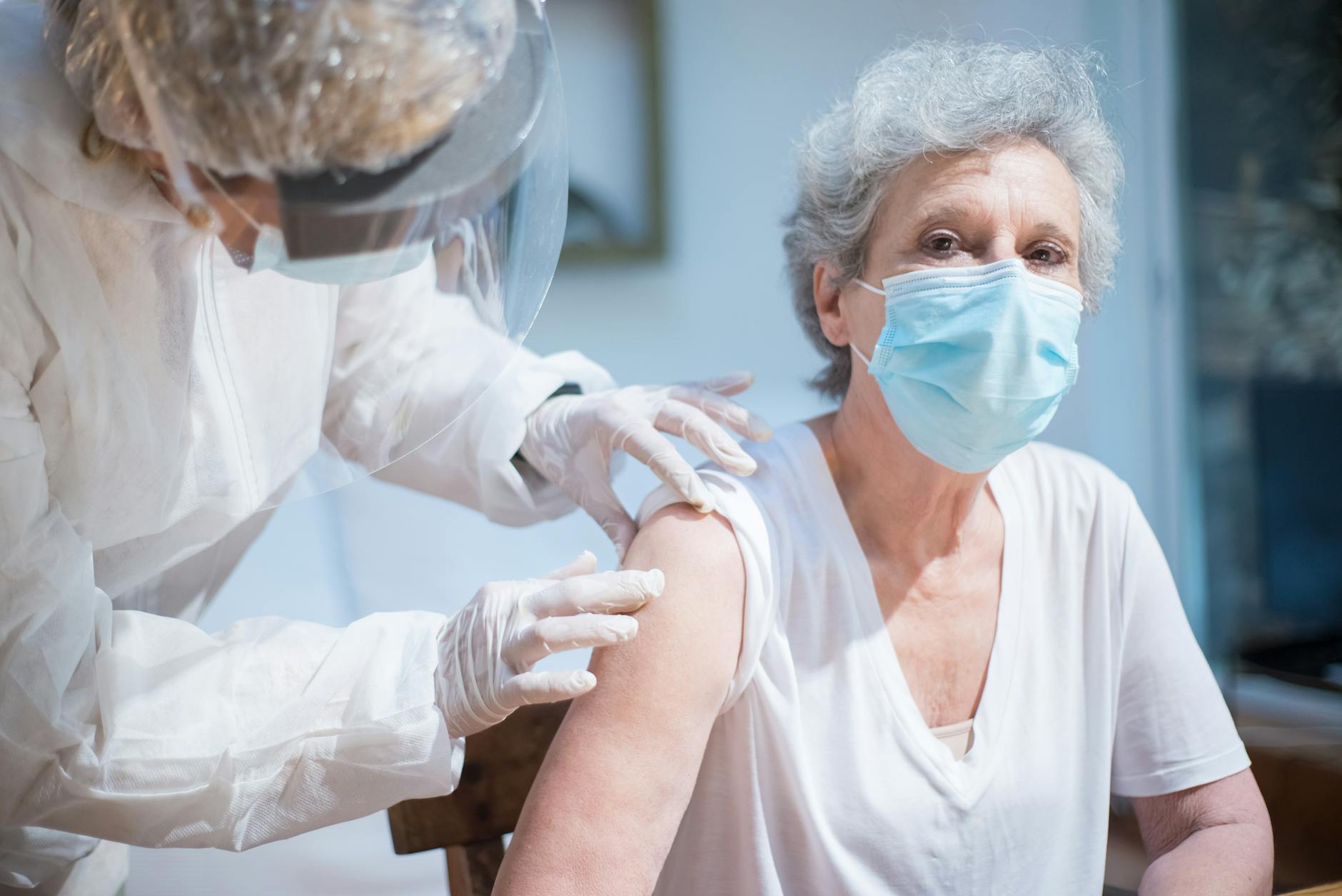
Emerging research suggests that the relationship between vaccines and brain health may be even more protective than previously understood. Studies examining immune system effects of routine vaccination have found associations with reduced inflammatory markers linked to neurodegeneration.
The immune activation triggered by vaccines may actually prime the body’s defenses against neurodegenerative processes—the opposite of the harm suggested by anti-vaccine narratives. An example comes from recent investigations of long-term health outcomes in vaccinated versus unvaccinated cohorts. Researchers following individuals across decades have observed that vaccinated populations show lower rates of certain age-related neurological conditions, suggesting that protecting against infections in youth and adulthood may have protective spillover effects on brain aging.
Moving Forward: Building Resilience Against Health Misinformation
As dementia research advances and the public increasingly seeks ways to protect cognitive health, the ability to distinguish credible information from misinformation becomes more important. The claim linking measles vaccination to slower cognitive decline is not a newly discovered finding worthy of attention—it is a false claim that contradicts established science. For dementia care websites, patients, and families, the best response is to direct attention toward interventions with actual evidence: vaccinating against preventable diseases, managing cardiovascular health, cognitive engagement, and addressing modifiable risk factors like sleep and social connection.
The path forward requires both individual media literacy and systemic support for credible health communication. Readers can protect themselves by checking sources against major medical institutions, seeking peer-reviewed evidence, and being skeptical of health claims that contradict established scientific consensus. Public health agencies, medical centers, and dementia care organizations have a responsibility to proactively address vaccine misinformation, not because the claims are credible, but because misinformation can deter protective health behaviors—potentially contributing to the very health harms the false claims claim to prevent.
Conclusion
The headline claiming a link between measles vaccination and slower cognitive decline does not reflect legitimate scientific research. Multiple peer-reviewed studies from major medical institutions demonstrate that measles vaccination is associated with improved cognitive outcomes in childhood and may provide protective effects against neurological decline in older adults.
The actual neurological risks come not from vaccination, but from measles infection itself, which can cause inflammation, encephalitis, and rare progressive diseases that cause permanent brain damage. For individuals and families navigating dementia care and brain health, the evidence-based approach is clear: ensure appropriate vaccination status, remain cautious about health claims that contradict established medical consensus, and focus on interventions with demonstrated protective effects. As measles resurgence poses a growing public health challenge, distinguishing accurate health information from misinformation is an essential skill for protecting both personal health and community safety.
You Might Also Like
- New Study: tetanus Vaccine Linked to Slower Cognitive Decline
- New Study: shingles Vaccine Linked to Slower Cognitive Decline
- New Study: pneumonia Vaccine Linked to Slower Cognitive Decline
For more, see CDC — Alzheimer’s and Dementia.