Reviewed by the Help Dementia Editorial Team — our editors review every article for accuracy against guidance from the National Institute on Aging, the Alzheimer’s Association, and peer-reviewed sources.
Vaccines may lower your dementia risk significantly—and neurologists are taking this finding seriously. Recent research, including a 2025 Stanford Medicine analysis, shows that older adults who receive the shingles vaccine have a 20% lower risk of developing dementia over seven years. This isn’t a modest correlation; it translates to an average of 164 additional days living without a dementia diagnosis. When your parents or grandparents consider vaccination, they’re not just protecting themselves from infectious disease—they may be protecting their brain.
The evidence goes beyond one vaccine. A comprehensive 2025 meta-analysis reviewed studies through January 2025 and confirmed that multiple adult vaccines—including high-dose influenza, pneumococcal, RSV, and Tdap vaccines—are associated with lower dementia risk. The mechanisms appear to be biological, not coincidental: vaccines activate the immune system in ways that may reduce inflammation in the brain, strengthen immunity against pathogens that trigger neurological decline, and potentially help clear the protein plaques associated with Alzheimer’s disease. This article explores what neurologists now know about vaccines and dementia risk, the strength of the evidence for each vaccine type, and what this means for vaccination decisions in midlife and older age.
Table of Contents
- Why Do Vaccines Lower Dementia Risk According to Recent Neurological Research?
- The Strongest Evidence—What Neurologists Know About Shingles Vaccination and Dementia Prevention
- Influenza and Pneumococcal Vaccines: The Numbers That Matter in Dementia Risk Reduction
- Timing, Dosage, and Individual Factors—Making Vaccination Decisions
- What the Research Doesn’t Tell Us Yet—Important Limitations and Caveats
- New Vaccines and Emerging Research—What’s Coming Next
- Vaccines as Part of Dementia Prevention—What Neurologists Recommend
- Conclusion
Why Do Vaccines Lower Dementia Risk According to Recent Neurological Research?
The connection between vaccines and dementia risk works through several biological pathways that neuroscientists are still untangling. When you receive a vaccine, your immune system mounts a response that strengthens your defenses against a specific pathogen—but it also primes your immune system more broadly. Neurologists now believe that a well-functioning immune system may prevent or delay the neurological changes that lead to dementia, including the accumulation of amyloid-beta plaques and tau tangles in the brain. Chronic, low-grade inflammation in the brain—sometimes called “neuroinflammation”—is a hallmark of Alzheimer’s disease and other dementias.
Vaccines may reduce this inflammation by equipping your immune system to fight off infections before they spread to or damage the brain. Some pathogens, like herpes zoster (shingles), have been directly linked to brain inflammation and cognitive decline. By preventing these infections entirely, vaccines act as a first line of defense. Additionally, emerging research suggests that certain vaccines may help your brain’s immune cells clear pathological proteins, much the way a cleaning crew removes debris from a building. The evidence for these mechanisms is still developing, but the clinical outcomes are clear: vaccinated older adults consistently show lower rates of dementia diagnosis in large population studies.
The Strongest Evidence—What Neurologists Know About Shingles Vaccination and Dementia Prevention
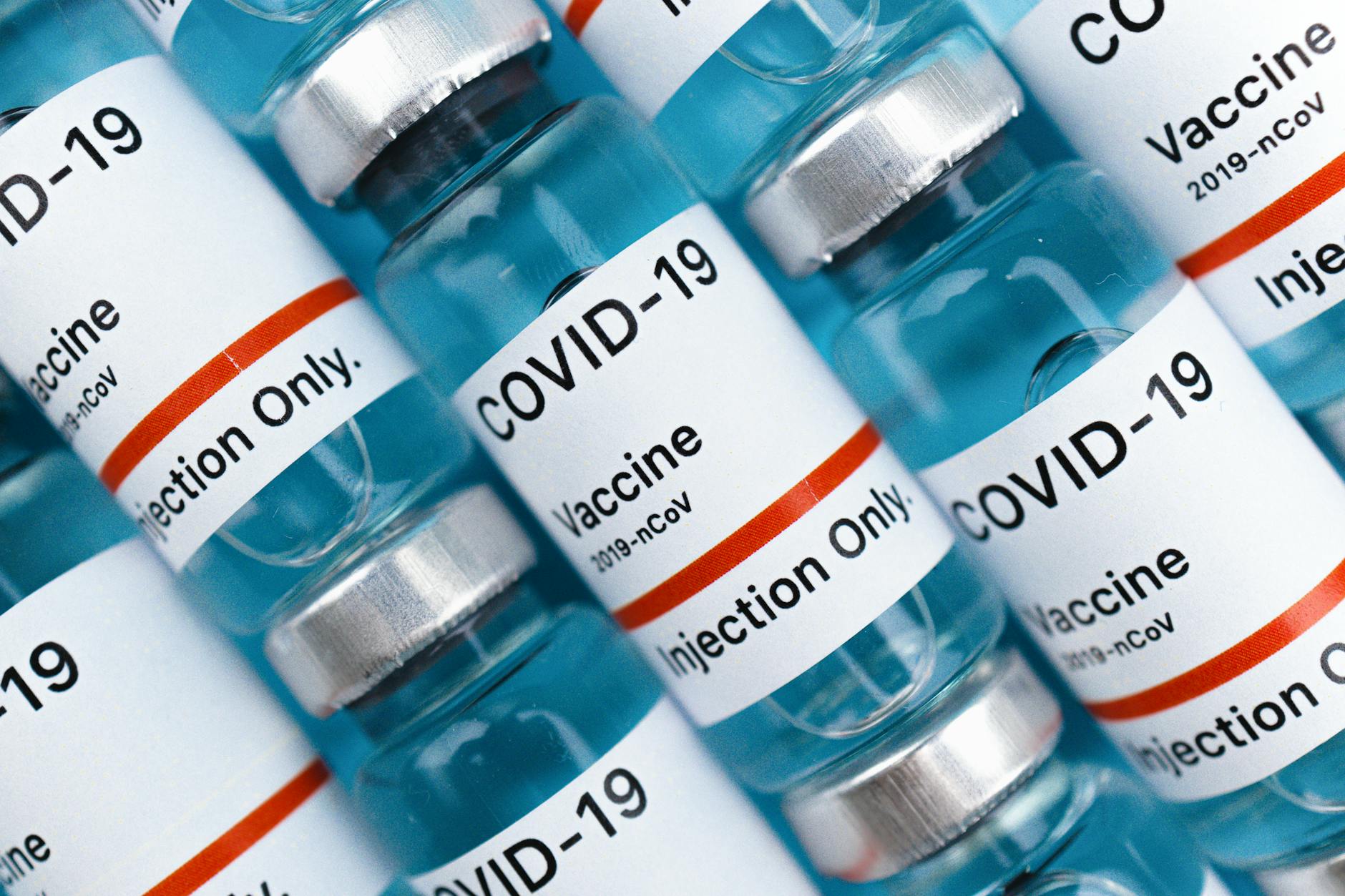
The shingles vaccine has emerged as the frontrunner in vaccine-dementia research, supported by the most robust evidence. A 2024 Nature Medicine study found that people vaccinated against shingles experienced a 17% increase in diagnosis-free time—meaning they lived longer without receiving a dementia diagnosis. Over six years, this translated to 164 additional days of cognitive health. The Stanford Medicine analysis, published in 2025, reinforced this finding with data showing a 20% reduction in dementia risk in older adults seven years after vaccination. A crucial limitation of this research is that correlation doesn’t prove causation.
These studies followed large populations over time, but they cannot definitively prove that the vaccine itself caused the reduced dementia risk—only that vaccinated and unvaccinated groups showed different outcomes. Genetics, lifestyle, education level, and access to healthcare all influence dementia risk, and these factors may differ between vaccinated and unvaccinated groups. Additionally, newer formulations of the shingles vaccine (particularly the AS01-adjuvanted version) show promise in combination studies, but they are newer to the market and have less long-term follow-up data than the older vaccine versions. Despite these limitations, the consistency of the shingles-dementia finding across multiple independent studies has led many neurologists to recommend the vaccine for older adults, particularly those over 65. The vaccine prevents shingles itself, which is painful and can lead to serious complications—so dementia reduction is a potential additional benefit, not the sole reason for vaccination.
Influenza and Pneumococcal Vaccines: The Numbers That Matter in Dementia Risk Reduction
High-dose influenza vaccine shows particularly striking numbers in dementia prevention. A 2024 study published in Neurology found that adults 65 and older who received the high-dose vaccine had a 55% reduced risk of Alzheimer’s disease, compared to a 40% reduction in those who received the standard-dose vaccine. This suggests that the strength of the vaccine’s immune response matters. A meta-analysis of multiple cohort studies found a 35% lower dementia risk overall with influenza vaccination, indicating that protection is real even when aggregating across different populations and study designs. Pneumococcal (pneumonia) vaccine shows even more dramatic numbers in some studies, though the evidence is more variable.
One 2024 study found a 63% reduction in Alzheimer’s risk among US adults 65 and older who had been vaccinated against pneumococcus. A broader analysis across multiple studies found a 27% reduced Alzheimer’s risk. The optimal window for pneumococcal vaccination appears to be between ages 65 and 75; vaccination before age 75 was associated with up to a 40% reduced Alzheimer’s risk in some analyses, though this benefit depends partly on individual genetic factors. A comparison illustrates the potential scope: if high-dose flu vaccine reduces dementia risk by 55%, then among 100 vaccinated people, we would expect five fewer cases of Alzheimer’s disease compared to an unvaccinated group. On a population level, this represents millions of people who might avoid or delay cognitive decline. However, these are observational findings, not results from randomized controlled trials, so they should be interpreted with appropriate caution.
Timing, Dosage, and Individual Factors—Making Vaccination Decisions
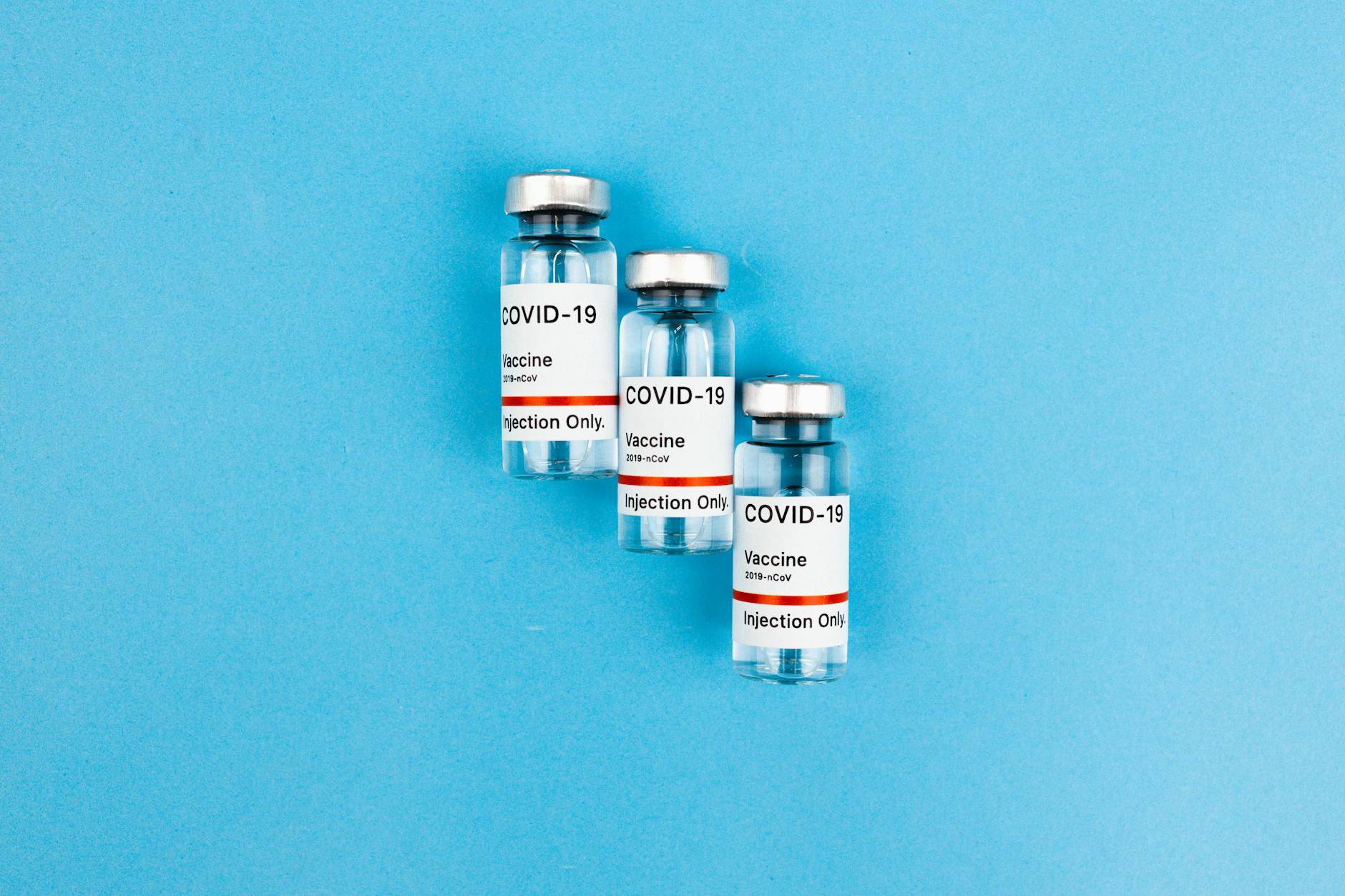
The timing of vaccination matters more than many people realize. Pneumococcal vaccination appears most protective when administered in the 65-to-75 age window, suggesting there may be a critical period for immune system priming. Influenza vaccination, by contrast, is recommended annually and shows cumulative benefits; people who receive multiple years of flu vaccination show better cognitive outcomes than those vaccinated sporadically. High-dose flu vaccines, while slightly more likely to cause temporary arm soreness or mild fever, appear to offer superior dementia protection compared to standard-dose vaccines for older adults.
One major tradeoff is that stronger immune responses can sometimes mean more noticeable side effects. Older adults receiving pneumococcal vaccine might experience arm soreness or temporary fatigue, while high-dose flu vaccine can occasionally cause mild fever or muscle aches for a day or two. These are temporary and far less serious than pneumonia or influenza itself, but they’re worth considering if you have a major event scheduled shortly after vaccination. Individual factors like genetic susceptibility to dementia, family history of Alzheimer’s disease, and overall health status may influence how much someone benefits from vaccination, though this remains an area for future research.
What the Research Doesn’t Tell Us Yet—Important Limitations and Caveats
It’s crucial to understand that all current vaccine-dementia research is observational rather than experimental. Researchers follow large groups of vaccinated and unvaccinated people and compare their dementia outcomes, but they cannot randomly assign people to receive or not receive vaccines to test causation directly. This means unknown confounding factors could explain the differences. For instance, people who stay up-to-date on vaccinations may also be more likely to exercise regularly, maintain cognitive stimulation, manage their blood pressure, and pursue preventive healthcare in general—all factors that independently lower dementia risk. Another limitation is that dementia is diagnosed inconsistently across different healthcare systems and populations. Some people develop cognitive changes but never receive a formal diagnosis, while others are diagnosed at different disease stages.
The studies rely on medical records and diagnoses, so actual dementia rates could differ from reported rates. Additionally, most research on vaccines and dementia has focused on older adults in developed countries with good healthcare access. Whether these findings apply to younger people, people in different geographic regions, or those with less healthcare access remains unknown. The mechanisms by which vaccines might prevent dementia are still largely theoretical. While neurologists propose that immune activation, reduced brain inflammation, and enhanced clearing of pathological proteins are involved, direct evidence for these mechanisms in human brains is limited. Animal studies and laboratory research support these ideas, but they haven’t yet been fully confirmed in people.
New Vaccines and Emerging Research—What’s Coming Next
RSV (respiratory syncytial virus) vaccine is the newest entrant in this field. A 2025 study published in npj Vaccines found that an RSV vaccine combined with an AS01-adjuvanted vaccine reduced 18-month dementia risk. RSV is a respiratory virus that affects millions of older adults annually, sometimes severely. The vaccine was only recently approved for older adults, so long-term dementia follow-up data does not yet exist.
This represents a frontier in vaccine research—as new vaccines are developed and approved for older populations, researchers are now asking dementia-prevention questions alongside the original questions about disease prevention. Tdap (tetanus-diphtheria-acellular pertussis) vaccine, primarily recommended for adults who haven’t been vaccinated since childhood or in the last 10 years, has also shown associations with lower dementia risk in systematic reviews. Like RSV vaccine, the dementia-prevention angle is emerging, and much of the research remains preliminary. The 2025 meta-analysis that confirmed findings across multiple vaccine types included Tdap as one of the vaccines showing protective associations, though the evidence base is smaller than for influenza or shingles vaccines.
Vaccines as Part of Dementia Prevention—What Neurologists Recommend
Neurologists increasingly view vaccination as one component of a comprehensive dementia-prevention strategy, not a standalone cure or guarantee. Vaccination fits alongside other evidence-based approaches like cardiovascular exercise, cognitive engagement, social connection, management of chronic diseases like diabetes and hypertension, adequate sleep, Mediterranean-style diet, and cognitive training. A person who receives all recommended vaccines but lives a sedentary life, isolates socially, and has uncontrolled high blood pressure will still have elevated dementia risk.
Conversely, someone who exercises regularly, stays socially engaged, and maintains good health but skips vaccines may miss one modifiable protection factor. The future of this research likely involves identifying which combinations of vaccines offer the greatest benefit, determining whether vaccination at younger ages might provide even greater long-term protection, and understanding which populations benefit most. As the baby boomer generation ages and more people survive into very old age, the population-level impact of vaccination on dementia rates could be substantial—potentially preventing millions of cases over coming decades if the associations observed in current studies are causal.
Conclusion
Yes, vaccines may lower your dementia risk—significantly. The shingles vaccine, high-dose influenza vaccine, pneumococcal vaccine, and newer vaccines like RSV all show associations with reduced dementia risk in recent research. The evidence is strongest for shingles vaccination, where a 20% reduction in dementia risk has been consistently documented. For influenza and pneumococcal vaccines, the protective effects are substantial, particularly in older adults.
Neurologists increasingly recommend these vaccines not only for their original disease-prevention benefits but also as part of a broader dementia-prevention strategy. If you’re in midlife or older, discuss vaccination with your healthcare provider—not just for infectious disease protection, but for the emerging evidence on brain health and cognitive longevity. Vaccination is one modifiable factor you can control, and the growing research suggests it may be an important one. Combined with exercise, social engagement, cardiovascular health management, and cognitive stimulation, vaccination represents part of the evidence-based toolkit for protecting your brain as you age.