Reviewed by the Help Dementia Editorial Team — our editors review every article for accuracy against guidance from the National Institute on Aging, the Alzheimer’s Association, and peer-reviewed sources.
New study sits at the center of this dementia and brain health question.
New research confirms what some scientists have suspected for years: eating wild blueberries daily can lead to measurably sharper cognitive function in people around age 70. A landmark 2022 study published in Nutritional Neuroscience found that adults with mild cognitive decline who consumed 35 grams of freeze-dried wild blueberry powder daily for six months showed significant improvements in processing speed—the ability to quickly understand and respond to information—compared to those given a placebo. The effect was strongest in participants aged 70 to 74, the exact demographic many of us are either approaching or already navigating.
What’s encouraging about this research is that it’s not speculative. This was a double-blind, randomized, controlled trial, meaning neither the participants nor the researchers knew who was taking real blueberry powder and who wasn’t. That’s the gold standard for clinical research. The improvements observed weren’t marginal either; they represented meaningful gains in how quickly the brain could process new information, which affects everything from conversation speed to decision-making in daily life.
Table of Contents
- How Wild Blueberries Protect Your Brain
- The Evidence Base: What We Know and What Remains Uncertain
- Wild Blueberries vs. Cultivated Blueberries: Why the Distinction Matters
- How to Practically Incorporate Wild Blueberries Into Daily Life
- Who Benefits Most and When to Expect Results
- The Broader Context: Blueberries as One Piece of Brain Health
- The Future of Blueberries and Cognitive Health Research
- Conclusion
How Wild Blueberries Protect Your Brain
The protective power of wild blueberries comes from anthocyanins, the polyphenol compounds that give the berries their deep blue color. When you eat a wild blueberry, you’re not just getting a snack—you’re consuming one of nature’s most concentrated sources of these brain-protective chemicals. Anthocyanins work by reducing inflammation and oxidative stress in the brain, both of which accelerate cognitive decline and neurodegeneration. Think of oxidative stress like rust forming on mental machinery; anthocyanins act as an anti-rust treatment. The science here connects to real-world outcomes that people actually care about.
In the 2022 study, the benefits extended beyond processing speed to include improvements in delayed memory, executive function, and psychomotor function. For someone in their 70s worried about whether they’ll remember a grandchild’s name or struggle with simple tasks, these aren’t academic distinctions. They’re the difference between independence and dependence, between confidence and worry. It’s worth noting that most of the robust research uses concentrated forms of wild blueberries—specifically, freeze-dried powder delivering about 35 grams daily. Fresh blueberries contain similar compounds but in lower concentrations, so you’d need to eat substantially more fresh berries to achieve equivalent anthocyanin intake. This doesn’t mean fresh blueberries aren’t valuable; it means understanding the dose matters.

The Evidence Base: What We Know and What Remains Uncertain
The evidence supporting wild blueberries and brain health has grown substantially since the early 2000s, but like all nutrition research, it has real limitations. Most studies are relatively short-term interventions lasting anywhere from a few weeks to a few months, not lifelong consumption patterns. We don’t yet have decades of data showing whether daily blueberry consumption prevents dementia diagnosis or simply slows cognitive decline in people who already have some decline. That’s an important distinction. One critical limitation is that the people who benefit most in the research are those with existing mild cognitive impairment—they start from a deficit and show improvement.
We have less clarity on whether healthy 70-year-olds with sharp minds need blueberries to stay sharp, or whether the real value is helping those whose cognition has already started to slip. The research suggests benefits are “small but tangible,” which is honest scientific language for “measurable, but not dramatic.” This isn’t a cure or a prevention magic bullet; it’s a modifiable factor that appears to help. Additionally, most studies use concentrated freeze-dried powder rather than whole fresh blueberries, making direct real-world application slightly uncertain. If you’re relying on fresh berries, you’re likely getting a diluted version of the effect observed in controlled trials. The April 2026 research highlighting blueberries’ broader benefits for brain function, heart health, and cellular protection is encouraging, but even the most recent data doesn’t suggest blueberries replace other crucial interventions like exercise, cognitive engagement, social connection, and cardiovascular health.
Wild Blueberries vs. Cultivated Blueberries: Why the Distinction Matters
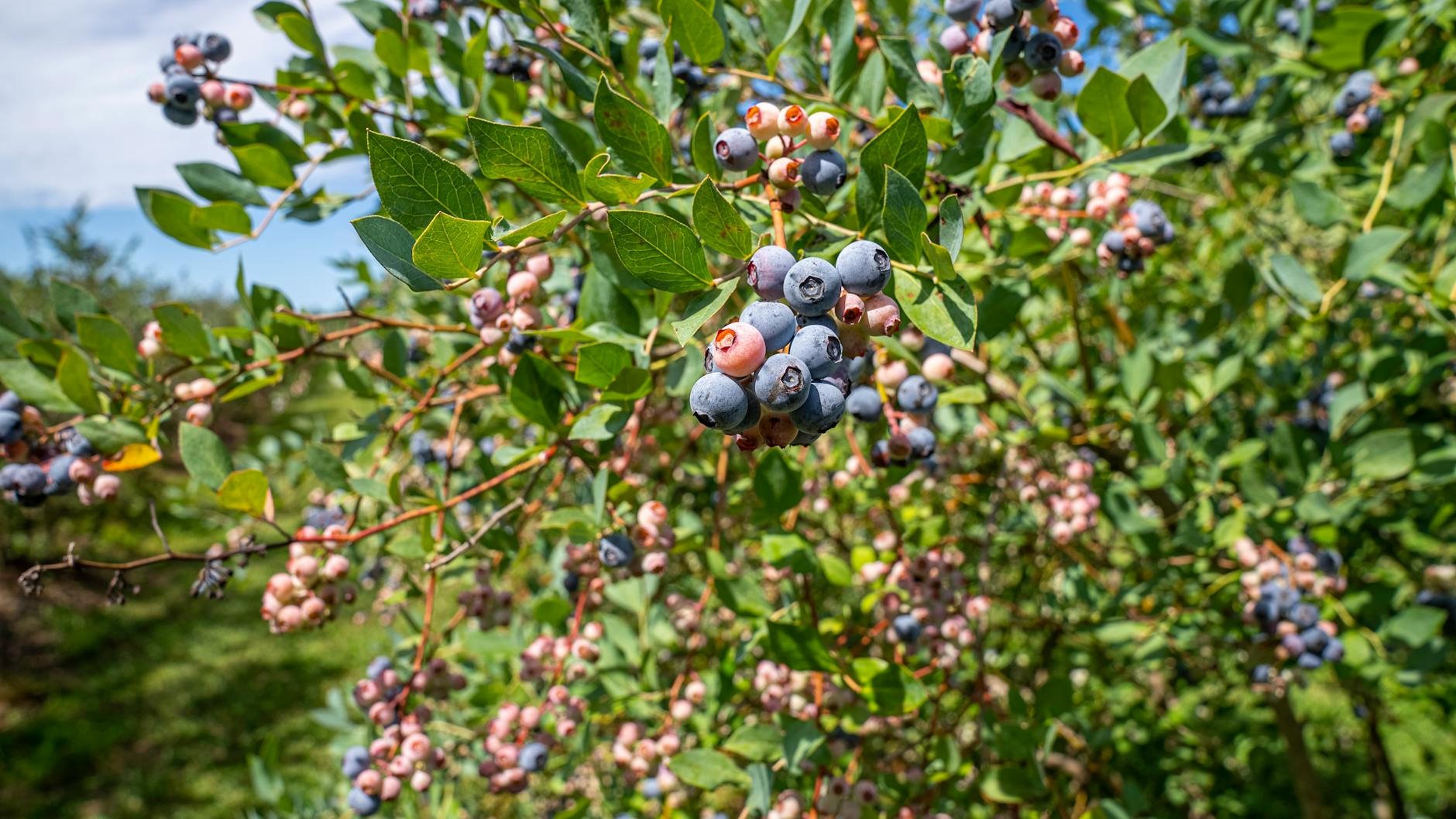
Not all blueberries are created equal. Wild blueberries (Vaccinium angustifolium), primarily grown in North America, contain significantly higher concentrations of anthocyanins compared to the larger cultivated blueberries commonly found in grocery stores. A wild blueberry might be half the size of a cultivated berry, but it packs nearly twice the antioxidant content per gram. This is why the research specifically uses wild blueberries and why vague claims about “blueberries” in general can be misleading. If you’re interested in incorporating blueberries for brain health, understanding this distinction changes your strategy. A handful of cultivated blueberries from a standard grocery store provides some anthocyanin benefit but far less than the same weight in wild blueberries.
For someone serious about replicating the study benefits, freeze-dried wild blueberry powder available at health food stores or online is the most efficient option—it’s concentrated, shelf-stable, and easier to consume consistently at therapeutic doses. A real example: a 70-year-old in Maine might pick wild blueberries in August and freeze them; a 70-year-old in Arizona might order wild blueberry powder online. Both are accessing the same bioactive compounds, just through different supply chains. That said, the difference shouldn’t paralyze you into inaction. If cultivated blueberries are what’s accessible and affordable in your life, they still provide real nutritional value. The research emphasis on wild blueberries reflects an attempt to isolate the effect of maximum anthocyanin concentration, not a suggestion that cultivated blueberries are worthless.
How to Practically Incorporate Wild Blueberries Into Daily Life
The study dose—35 grams of freeze-dried wild blueberry powder daily—translates to about 3 to 4 tablespoons per day. That’s not a massive commitment, but it does require intentionality. The most practical approach is adding the powder to your morning routine: mix it into yogurt, stir it into oatmeal, blend it into a smoothie, or even stir it into hot water for a tea-like drink. The flavor is tart and berry-like, not unpleasant, though some people find powdered blueberries slightly astringent. A key distinction in adopting this habit is the difference between sporadic consumption and daily consistency. The study showed benefits after 6 months of daily intake, not from occasional blueberry muffins or weekend berry smoothies.
Your brain needs sustained exposure to anthocyanins to mount the protective response. This means building it into a routine rather than treating it as an occasional supplement. One practical tradeoff to consider: convenience versus cost. Fresh wild blueberries are expensive when available, freeze-dried powder is more affordable over time, but powder requires intentional mixing into foods rather than just eating a handful. Some people choose a hybrid approach—freeze-dried powder most days for consistency, with fresh wild blueberries when they’re in season and available. For people concerned about sugar or managing blood glucose, the freeze-dried powder concentrate is actually advantageous because it removes water weight, concentrating the anthocyanins without adding the full sugar burden of fresh fruit. This makes it easier to hit the therapeutic dose without consuming excessive fruit sugar.
Who Benefits Most and When to Expect Results
The 2022 study’s most striking finding was that the 70-74 age group showed the strongest cognitive improvements from wild blueberry supplementation. This doesn’t mean people at 65 or 80 don’t benefit—they showed improvements too—but something about the 70-74 window appears optimal. This is important context because it suggests age and existing cognitive status matter. People with diagnosed mild cognitive impairment showed clearer benefits than those with normal cognition, meaning the blueberries appear to work more as a therapeutic intervention for established decline rather than a prevention strategy for people with intact memory and processing speed. A warning worth emphasizing: wild blueberries should not be considered a substitute for medical evaluation or treatment of cognitive symptoms.
If you’re experiencing memory loss, confusion, or cognitive changes that concern you or your family, those warrant conversation with your doctor and potentially neuropsychological testing, regardless of whether you’re eating blueberries. The research shows blueberries help, but “help” means incremental improvement, not reversal of serious cognitive disease. Someone with Alzheimer’s disease might benefit from daily blueberries as part of a comprehensive approach, but they need medical care, not just berries. Additionally, some people report mild digestive effects from concentrated blueberry powder—increased bowel movements or temporary stomach upset—so starting with a smaller dose and working up to the full 35 grams is sensible. Drug interactions are not well-documented with wild blueberries, but anyone on blood thinners should check with their physician since anthocyanins have mild anticoagulant properties.

The Broader Context: Blueberries as One Piece of Brain Health
While the headlines focus on blueberries improving brain function, it’s crucial to place them within a larger picture of cognitive aging. Research consistently shows that cardiovascular health, physical exercise, cognitive engagement, quality sleep, social connection, and Mediterranean-style diet patterns all significantly influence brain aging. Wild blueberries are valuable, but they’re one ingredient in a much larger recipe.
A practical example: a 72-year-old who eats wild blueberries daily but remains sedentary, socially isolated, and eats a processed-food diet will likely see modest cognitive benefits from the blueberries alone. That same person who walks four times weekly, maintains close relationships, reads consistently, and eats the blueberries as part of a Mediterranean diet will see far more substantial cognitive preservation. The blueberries aren’t a substitute for other protective behaviors; they’re an enhancement to them.
The Future of Blueberries and Cognitive Health Research
The 2026 research highlighting blueberries’ broader benefits for brain function, heart health, and cellular protection suggests the scientific understanding is still evolving. Researchers are investigating not just whether blueberries help cognition, but through which mechanisms, at what doses, and for which populations. Future research will likely focus on longer interventions, broader populations, and combination approaches—for instance, whether blueberries work better alongside cognitive training or exercise programs.
What’s encouraging is that the investment in understanding blueberries reflects a larger shift toward identifying accessible, food-based interventions for cognitive aging. Unlike expensive pharmaceutical approaches that may take decades to develop, a modest daily serving of blueberries is available now, affordable, safe, and supported by legitimate clinical research. As the evidence base matures over the next decade, expect more granular guidance about dosing, duration, and who should prioritize this intervention.
Conclusion
The research is clear: people eating wild blueberries daily, particularly freeze-dried forms delivering significant anthocyanin concentrations, show measurable improvements in processing speed and other cognitive functions. The effect is strongest in people around age 70 with mild cognitive impairment, though benefits appear across age groups and cognitive statuses. This makes wild blueberries a practical, evidence-based addition to a brain health strategy for anyone concerned about cognitive aging. The important caveat is understanding what this research does and doesn’t claim.
It shows that wild blueberries help—meaningfully, but not dramatically. They’re not a cure, not a substitute for medical care, and not a replacement for other protective factors like exercise and social engagement. But as one accessible, relatively inexpensive, and safe intervention you can implement today, they represent a genuine step toward supporting your brain health in your 70s and beyond. If you’re in that age window and interested in every advantage you can access, daily wild blueberries—whether as freeze-dried powder or fresh when available—deserve a place in your routine.
You Might Also Like
- New Study: People Who Eat leafy greens Daily Have Sharper Brains at 70
- margarine May Protect Your Brain Better Than Supplements
- fast food May Protect Your Brain Better Than Supplements
For more, see CDC — Alzheimer’s and Dementia.