Reviewed by the Help Dementia Editorial Team — our editors review every article for accuracy against guidance from the National Institute on Aging, the Alzheimer’s Association, and peer-reviewed sources.
Recent research in 2026 reveals encouraging news for older adults concerned about dementia: certain vaccinations are associated with lower, not higher, dementia risk. A groundbreaking meta-analysis published in early 2026 found that influenza vaccination, pneumococcal vaccination, and herpes zoster (shingles) vaccination were all linked to reduced dementia risk. Far from being a risk factor, these common adult vaccines appear to offer protective benefits against Alzheimer’s disease and other forms of dementia.
The most striking findings come from a study published April 1, 2026 in *Neurology*, which found that high-dose influenza vaccines were associated with significantly lower Alzheimer’s disease risk compared to standard-dose vaccines. Another major study examined over 1 million participants and found that herpes zoster vaccination was associated with reduced risk of both memory disorders and Alzheimer’s disease. For those managing aging parents or planning their own healthcare, these findings suggest that staying current with recommended vaccines may be one way to potentially reduce dementia risk.
Table of Contents
- What Does the New Vaccination Research Show About Dementia Risk?
- The Herpes Zoster Vaccination Finding—A Natural Experiment in Brain Protection
- The Broader Picture—Multiple Vaccines, Consistent Protection Pattern
- Which Vaccines Matter Most for Dementia Prevention—A Practical Guide
- What We Still Don’t Know—Important Limitations and Open Questions
- The Immunological Connection—How Might Vaccination Protect the Brain?
- Looking Forward—What the 2026 Vaccination Research Means for Brain Health
- Conclusion
What Does the New Vaccination Research Show About Dementia Risk?
The 2026 research represents a significant shift in our understanding of how vaccines might influence brain health. The meta-analysis examining multiple vaccine types found consistent patterns across the board: people who received flu vaccines, pneumococcal vaccines, or shingles vaccines showed lower dementia risk compared to those who did not receive these vaccines. This wasn’t a small effect—the associations were substantial enough that researchers across multiple institutions identified the same protective pattern. The high-dose flu vaccine study published in *Neurology* offers a particularly specific finding.
Researchers compared participants who received the standard-dose seasonal flu vaccine with those who received a high-dose formulation (designed to provide stronger immune response in older adults). Those who received the high-dose version showed greater reduction in Alzheimer’s disease risk. This distinction matters because it suggests the strength of the immune response itself may influence long-term brain health outcomes. It also provides a practical distinction for older adults: if your doctor recommends a high-dose flu vaccine, that choice may carry additional cognitive benefits.
The Herpes Zoster Vaccination Finding—A Natural Experiment in Brain Protection
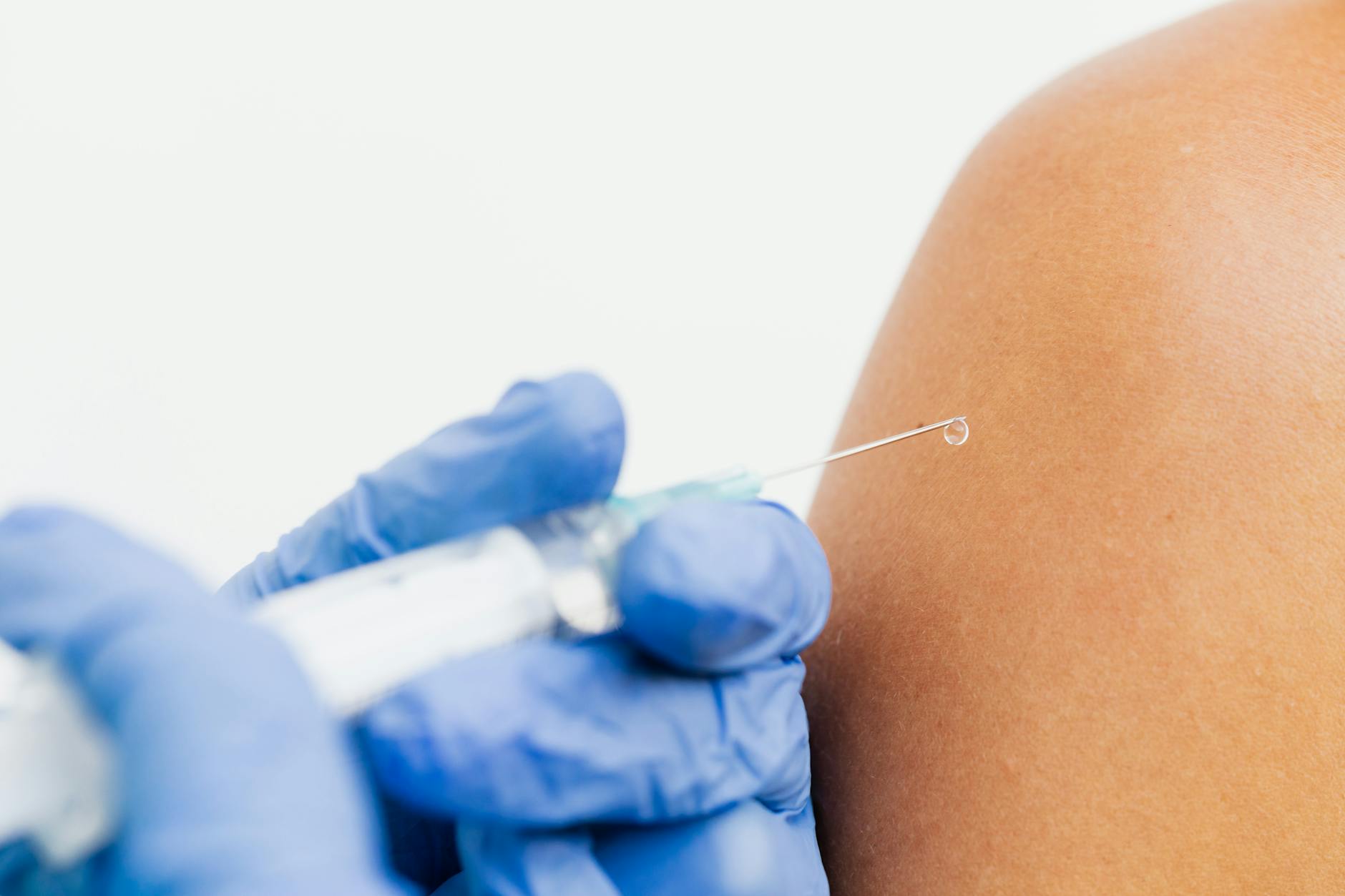
The herpes zoster vaccination research is particularly notable because it involved such a large population. Examining over 1 million participants, researchers found that vaccination against shingles (herpes zoster) was associated with lower risks of memory disorders and Alzheimer’s disease. A complementary study published in *Nature* examined this same vaccine’s effect across different stages of dementia disease, providing a more granular understanding of how vaccination timing and disease progression interact.
One limitation of this research is important to acknowledge: these are associational findings, not proof of causation. People who receive vaccines may differ in other health-related ways from those who don’t—they may exercise more, see doctors regularly, take other preventive measures, or have better overall health literacy. Researchers attempt to account for these differences statistically, but the possibility remains that some of the apparent benefit comes from these other factors rather than the vaccine itself. Additionally, while the shingles vaccine study included over 1 million people, the effects were observed primarily in certain age groups, so the benefits may not be uniform across all older adults.
The Broader Picture—Multiple Vaccines, Consistent Protection Pattern
Rather than pointing to a single vaccine as a dementia preventive, the 2026 research suggests a broader pattern. The systematic review found that influenza vaccination, pneumococcal vaccination, and herpes zoster vaccination were all independently associated with reduced dementia risk. This consistency across multiple vaccine types is scientifically significant because it points toward an underlying mechanism rather than coincidence. When different vaccines, each with different components and immune mechanisms, all show a similar protective association, researchers take note.
The pneumococcal vaccine findings add another layer to this picture. Pneumococcus bacteria have long been understood to cause serious infections in older adults, but the 2026 research suggests the vaccine’s protective effects may extend beyond preventing pneumonia and sepsis—to include potential cognitive protection as well. This broadens the case for staying current with routine adult immunizations. For someone managing dementia risk in a parent or aging relative, this research provides evidence-based support for encouraging them to maintain their vaccination schedule rather than defer it.
Which Vaccines Matter Most for Dementia Prevention—A Practical Guide
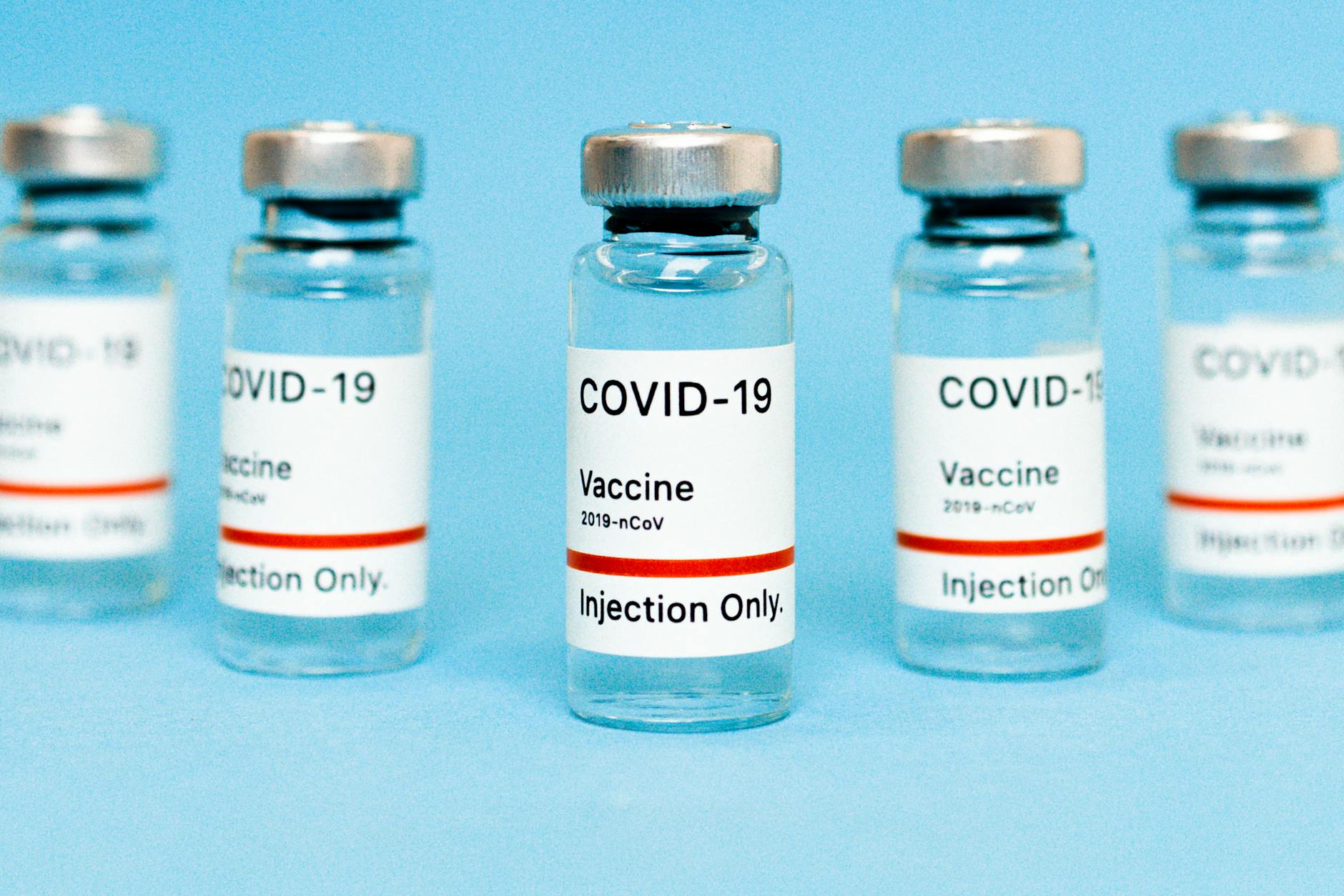
For older adults and caregivers trying to make sense of these findings, the practical takeaway is clear: stay current with the standard vaccines recommended for your age group. The CDC recommends annual flu vaccines for everyone over 6 months old, pneumococcal vaccines for adults over 65, and herpes zoster vaccines for adults 50 and older. The 2026 research suggests these aren’t just protection against infection—they may influence long-term brain health as well.
The comparison between standard-dose and high-dose flu vaccines raises a specific question for adults over 65. Currently, the CDC recommends high-dose flu vaccines for this age group, and the *Neurology* study provides additional rationale for that recommendation. If you’re over 65 and your doctor has recommended a regular-dose flu vaccine instead, the new research gives you stronger grounds to ask about switching to the high-dose formulation. The choice between standard and high-dose pneumococcal vaccines is more complex and depends on individual health history, so this warrants a conversation with your healthcare provider.
What We Still Don’t Know—Important Limitations and Open Questions
While the 2026 research is encouraging, significant questions remain unanswered. First, these studies are observational—they track whether vaccinated people develop dementia at different rates than unvaccinated people, but they cannot prove that the vaccine itself causes the lower risk. Unmeasured differences between the groups (diet, exercise, cognitive engagement, other medications) could explain some or all of the association. The gold standard would be a randomized controlled trial where some older adults receive vaccines and others receive placebo, but such trials are difficult to conduct ethically and practically.
Second, we don’t yet understand the mechanism. The research from *Frontiers in Immunology* in 2026 proposes an immunological model linking infection, vaccination, and dementia risk reduction—suggesting that vaccines prime the immune system to handle brain inflammation more effectively. But this is a proposed mechanism, not yet proven. Without understanding how vaccines protect the brain, we cannot predict whether the protection is durable, whether it extends to all types of dementia, or whether some people might benefit more than others.
The Immunological Connection—How Might Vaccination Protect the Brain?
Recent immunological research proposes that chronic or repeated infections throughout life may trigger low-grade inflammation in the brain that contributes to dementia development. From this perspective, vaccines prevent these infections, thereby reducing the inflammatory trigger. The 2026 research in *Frontiers in Immunology* develops this model further, suggesting that vaccination creates a beneficial retraining of the immune system that reduces dementia-related inflammation even beyond preventing the specific infections the vaccines target.
Consider the biological cascade: untreated herpes zoster doesn’t just cause shingles; the virus can reactivate and contribute to systemic inflammation over years. A vaccine that prevents this infection might therefore prevent years of accumulated inflammatory stress on the brain. Similarly, repeated influenza infections throughout a person’s life involve immune activation and inflammation. The high-dose flu vaccine, by provoking a stronger immune response, might provide longer-lasting protection and less need for repeat infections to maintain immunity.
Looking Forward—What the 2026 Vaccination Research Means for Brain Health
The 2026 research adds vaccination to the growing list of modifiable factors that appear to influence dementia risk. We already know that exercise, cognitive engagement, social connection, and cardiovascular health matter for brain aging. Now, evidence suggests that vaccination status should be added to this list. This is significant because vaccines represent one of the most accessible and cost-effective public health interventions available.
For the broader aging population, these findings may have policy implications. Currently, vaccinations are promoted primarily for preventing infection-related diseases. The 2026 research provides evidence that vaccine recommendations should also be framed around brain health and dementia prevention. As older adults increasingly prioritize cognitive health in their healthcare decision-making, having clear evidence that vaccines provide not just infection protection but also apparent cognitive benefits could increase vaccination rates. Future research will likely explore whether other vaccines (such as updated COVID-19 boosters) offer similar dementia-related benefits, and whether vaccination at different ages in the lifespan influences long-term cognitive outcomes.
Conclusion
Recent 2026 research establishes a protective association between several common adult vaccines and reduced dementia risk. High-dose flu vaccines, pneumococcal vaccines, and herpes zoster vaccines were all linked to lower Alzheimer’s disease and overall dementia risk in large population studies. While these are associational findings rather than proof of causation, the consistency of the pattern across multiple vaccines and multiple research groups suggests a real biological relationship worthy of attention.
For older adults and caregivers, the practical implication is straightforward: maintaining an up-to-date vaccination schedule appears to offer cognitive benefits in addition to preventing serious infections. If you’re over 65 or managing the healthcare of an aging parent, discussing your vaccination status with your healthcare provider—particularly about high-dose flu vaccines and herpes zoster vaccination if you haven’t yet received one—is a concrete step supported by the latest evidence. As research continues to clarify the mechanisms and refine our understanding, vaccination stands as one of the evidence-based interventions available to support brain health in aging.