Reviewed by the Help Dementia Editorial Team — our editors review every article for accuracy against guidance from the National Institute on Aging, the Alzheimer’s Association, and peer-reviewed sources.
Study suggests sits at the center of this dementia and brain health question.
Recent research suggests that the timing and choice of vaccination could significantly influence dementia risk, with studies showing that certain vaccines may reduce dementia diagnosis by up to 20% and provide additional diagnosis-free years for older adults. This emerging body of evidence points to a potentially modifiable risk factor for cognitive decline—one that millions of older adults can address through strategic vaccination decisions made with their healthcare providers. The findings come from multiple recent studies examining how vaccines, particularly the recombinant shingles vaccine and high-dose flu vaccine, may protect against Alzheimer’s disease and other forms of dementia. For a family managing a loved one’s dementia care—or seeking to prevent cognitive decline—understanding what these studies show could help inform healthcare conversations for years to come.
Table of Contents
- Can Shingles Vaccination Reduce Your Risk of Developing Dementia?
- How Might Vaccination Strategies Protect the Brain Against Dementia?
- Which Vaccines Show the Most Promise for Dementia Protection?
- When Is the Right Time to Implement a Vaccination Strategy for Dementia Prevention?
- What Are the Potential Downsides or Limitations of Relying on Vaccination for Dementia Prevention?
- How Do Individual Health Factors Influence Vaccine Effectiveness?
- What Does Future Research Need to Clarify About Vaccination and Brain Health?
- Conclusion
- Frequently Asked Questions
Can Shingles Vaccination Reduce Your Risk of Developing Dementia?
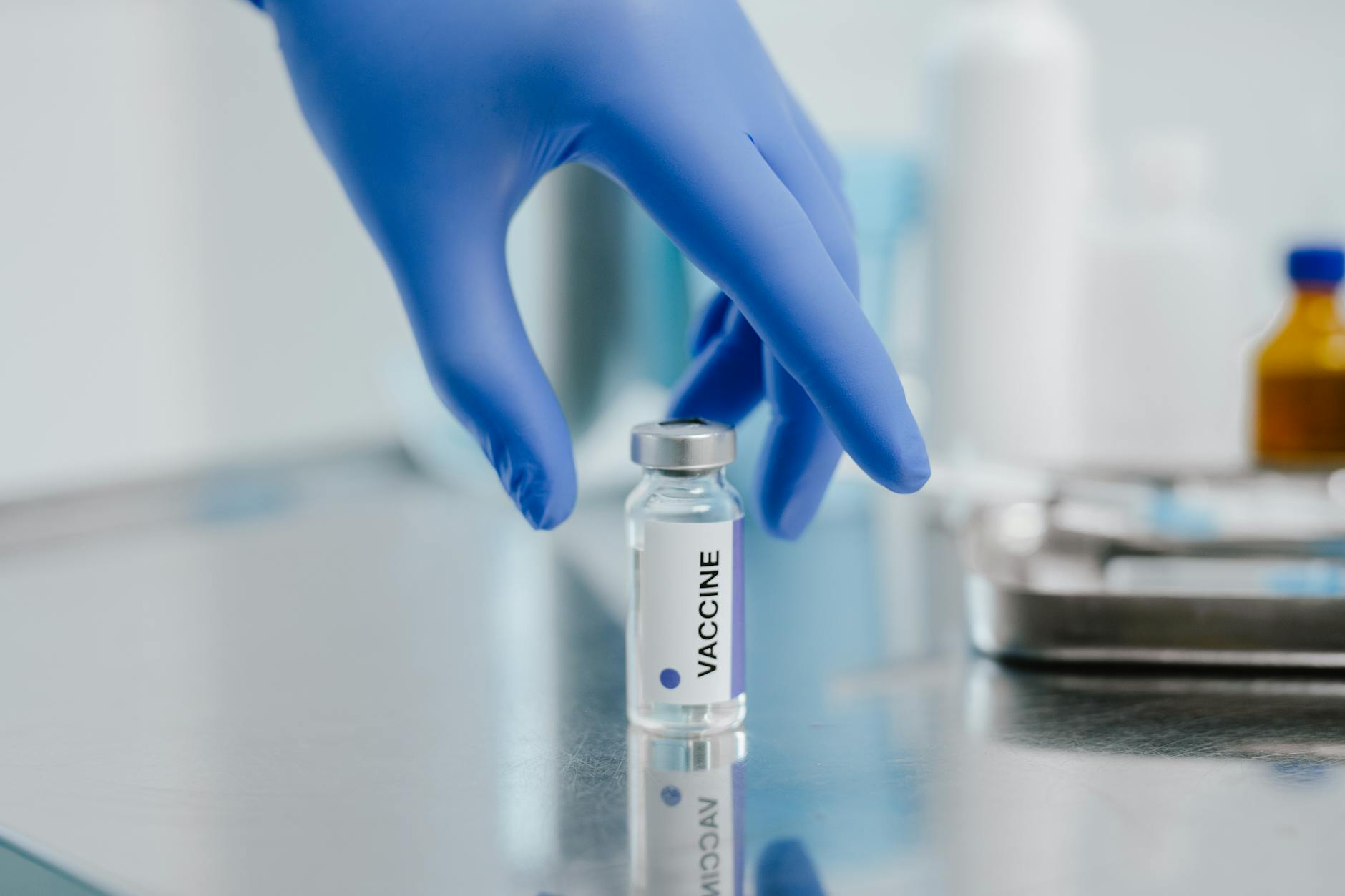
new research demonstrates that the recombinant zoster vaccine, used to prevent shingles, was associated with a 20% relative reduction in dementia risk over a seven-year period. In practical terms, this translated to 3.5 fewer dementia diagnoses per 100 vaccinated people compared to unvaccinated peers—a meaningful difference when considering millions of older adults. The study, published in Nature, examined this relationship through what researchers called a “natural experiment,” using variations in vaccine availability across different time periods and regions. Beyond preventing new diagnoses, the vaccine offered something that caregivers and patients find equally important: additional time lived without a dementia diagnosis.
Vaccinated individuals gained approximately 164 additional days—roughly five and a half months—of diagnosis-free living compared to those who did not receive the vaccine. This represents a 17% increase in the period before dementia becomes clinically apparent, giving families and individuals a longer window during which cognitive function remains unaffected. One important limitation: the study observed associations between vaccination and lower dementia risk, but could not completely rule out other factors that might differ between vaccinated and unvaccinated groups. Additionally, while the vaccine showed protective effects, it is not a guarantee against dementia for any individual; some vaccinated people still develop cognitive decline, just as some unvaccinated people remain cognitively sharp into very advanced age.
How Might Vaccination Strategies Protect the Brain Against Dementia?
The mechanisms behind vaccination’s protective effects likely involve reducing inflammation in the brain and immune system. Herpes zoster (shingles) and influenza infections can trigger systemic inflammation, which research increasingly links to accelerated cognitive decline and neurodegeneration. By preventing or controlling these infections, vaccines may reduce the inflammatory burden that contributes to dementia development. Interestingly, emerging research also suggests that vaccinations could boost certain immune responses that help clear amyloid-beta, a protein implicated in Alzheimer’s disease pathology.
The protective effects appear strongest when vaccination occurs before dementia becomes clinically apparent, but studies also found that even individuals already diagnosed with dementia showed benefits from shingles vaccination—suggesting that vaccination strategies may help slow progression or manage symptoms in those living with cognitive decline. This challenges the assumption that vaccination strategies only matter for dementia prevention; they may also play a role in supporting those already affected. One critical caveat: the research represents correlation and association, not proven causation. Researchers have not yet definitively established the biological pathway by which vaccination reduces dementia risk. Additionally, individuals with certain medical conditions or compromised immune systems may have different responses to vaccines, and the benefits observed in large population studies may not apply uniformly to all individuals.
Which Vaccines Show the Most Promise for Dementia Protection?
The recombinant shingles vaccine emerged as having the strongest association with dementia risk reduction in recent studies, but the high-dose influenza vaccine also demonstrated significant protective effects. Older adults receiving high-dose flu vaccine showed measurably lower risk for incident Alzheimer’s disease, with protective effects documented for up to 28 months following vaccination. A systematic review analyzing 16 different studies found that 15 showed vaccinated adults had lower dementia rates than unvaccinated counterparts, with risk reductions ranging between 4% and 50%. Gender differences in protection have also emerged from the research. Women who received the high-dose flu vaccine showed a significantly lower Alzheimer’s disease risk for up to 13 months post-vaccination.
For shingles vaccination, women overall demonstrated stronger protective effects compared to men, though both groups showed benefit. These gender differences may relate to underlying differences in immune response or hormone-related factors, but researchers are still working to understand why protection varies by sex. A practical consideration: vaccine availability and recommendations have changed over time. The recombinant shingles vaccine (Shingrix), which showed the strongest dementia benefits, only became available in recent years and is now widely recommended for adults 50 and older. Older adults who received the older live-attenuated shingles vaccine (Zostavax) years ago may still derive some benefit from receiving Shingrix, though individuals should discuss timing with their healthcare provider based on their personal health history.
When Is the Right Time to Implement a Vaccination Strategy for Dementia Prevention?
Timing appears to matter significantly in dementia prevention through vaccination. Recent research examined the effects of shingles vaccination at different stages of the dementia disease course, finding that different vaccination strategies appear effective at various points—from healthy aging through early cognitive decline to established dementia diagnosis. This suggests that vaccination strategies may be tailored to a person’s current cognitive status and risk profile, rather than being a one-size-fits-all approach. For individuals with no cognitive symptoms, receiving recommended vaccines like Shingrix (shingles) and high-dose flu vaccine represents a straightforward prevention strategy. For those with early cognitive decline or subjective memory concerns, vaccination may help slow progression.
For individuals already diagnosed with dementia, vaccination might support overall immune function and general health maintenance, even if dementia reversal is unlikely. The key difference: the further along the dementia continuum, the more vaccination functions as part of comprehensive care management rather than disease prevention. However, vaccination alone is not sufficient for dementia prevention. Exercise, cognitive engagement, quality sleep, Mediterranean-style diet, social connection, and management of cardiovascular risk factors remain equally or more important. Vaccination should be viewed as one component of a comprehensive dementia prevention strategy, not as a substitute for other established protective behaviors.
What Are the Potential Downsides or Limitations of Relying on Vaccination for Dementia Prevention?
While the research on vaccination and dementia is promising, several limitations warrant caution. First, most studies represent observational research rather than randomized controlled trials specifically designed to test dementia prevention. Observational studies can identify associations but cannot definitively prove that the vaccine caused the reduction in dementia risk; people who choose to get vaccinated might also differ in other health behaviors or characteristics. Second, vaccines provide protection but not immunity—vaccinated individuals still develop dementia, and protection percentages represent population-level statistics rather than individual guarantees.
Additionally, vaccine availability and recommendations have evolved, meaning that individuals vaccinated years ago may have received different formulations than those available today. The most robust dementia prevention findings involve newer vaccines like recombinant Shingrix, which many older adults have not yet received. Furthermore, individuals with certain medical conditions, allergies, or immune compromises may not be candidates for all vaccines, and their dementia prevention options therefore differ from the general population. A final concern: overemphasis on vaccination as a dementia solution could inadvertently reduce attention to other modifiable risk factors with equally strong or stronger evidence, such as hypertension management, diabetes control, and cognitive engagement. Vaccination works best as part of an integrated approach, not as a replacement for comprehensive health management.
How Do Individual Health Factors Influence Vaccine Effectiveness?
Age, sex, overall health status, and prior infection history all influence how effectively vaccines protect against dementia and other diseases. The studies showing the strongest dementia protection generally included older adults, typically 65 and above, suggesting that age-related benefits may differ from those in younger populations.
As mentioned earlier, women demonstrated stronger protective effects from both shingles and high-dose flu vaccines in several studies, though researchers continue investigating the biological basis for these gender differences. Individuals with well-controlled chronic conditions like diabetes or hypertension may derive different benefits from vaccination compared to those with poorly managed diseases. Additionally, someone who has already had shingles may respond differently to shingles vaccination than someone without prior infection—illustrating why personalized medical conversations with healthcare providers matter more than population-level statistics.
What Does Future Research Need to Clarify About Vaccination and Brain Health?
The next generation of dementia research needs to clarify the biological mechanisms linking vaccination to dementia protection, establish optimal vaccination timing across the lifespan, and determine whether specific vaccine combinations might offer synergistic benefits. Randomized controlled trials specifically designed to measure dementia outcomes would provide stronger evidence than current observational studies, though such trials require years to complete given that dementia develops over time.
Looking forward, a comprehensive approach to dementia prevention through vaccination likely involves coordinated strategies: receiving Shingrix (shingles vaccine) according to current recommendations, annual high-dose flu vaccination for older adults, and potentially other vaccines as research identifies additional connections between infection control and brain health. The research trajectory suggests that vaccination will increasingly be recognized as one component of evidence-based dementia prevention, alongside cardiovascular health, cognitive engagement, and social connection.
Conclusion
The emerging research on vaccination strategy and dementia outcomes offers a concrete, actionable opportunity for older adults and their families to potentially reduce cognitive decline risk. The evidence is most robust for recombinant shingles vaccination, which showed a 20% relative reduction in dementia risk and provided over five months of additional diagnosis-free living, alongside promising findings for high-dose flu vaccination.
These represent meaningful differences at the population level and practical options available through healthcare providers today. For anyone concerned about dementia prevention, the next step is discussing current vaccination status with a primary care provider, ensuring that recommended vaccines are up-to-date, and considering shingles vaccination if not already received. While vaccination is not a dementia cure or absolute guarantee, the combination of established benefits for preventing shingles itself, general immune health, and now emerging associations with reduced dementia risk makes it a reasonable component of a comprehensive brain health strategy.
Frequently Asked Questions
Does getting vaccinated guarantee I won’t develop dementia?
No. Vaccination reduces statistical risk but does not prevent dementia entirely. Some vaccinated individuals still develop cognitive decline, while some unvaccinated people maintain sharp minds into very old age. Vaccination works best as one part of a comprehensive prevention strategy including exercise, cognitive engagement, cardiovascular health, and social connection.
Is the recombinant shingles vaccine better than the older shingles vaccine for dementia prevention?
The recombinant vaccine (Shingrix) shows stronger dementia prevention associations in recent studies compared to the older live-attenuated vaccine (Zostavax). Shingrix is now the recommended shingles vaccine, and individuals previously vaccinated with Zostavax may discuss with their provider whether receiving Shingrix offers additional benefit.
How soon after vaccination should I expect dementia protection?
The studies tracked protection over seven-year periods, suggesting that dementia risk reduction develops over time rather than immediately after vaccination. Protective effects from high-dose flu vaccine were documented for up to 28 months post-vaccination, while shingles vaccine protection appears to extend much longer.
If someone already has dementia, is vaccination still beneficial?
Yes, according to emerging research. Individuals diagnosed with dementia showed protective effects from shingles vaccination, suggesting that vaccination may help with overall health maintenance and potentially supporting general immune function and well-being, though it would not reverse existing cognitive decline.
Are there people who should not receive these vaccines?
Some individuals with certain medical conditions, severe allergies, or compromised immune systems may not be candidates for all vaccines. This is why discussing vaccination strategy with a healthcare provider is essential—they can evaluate individual health circumstances and recommend appropriate vaccines.
What is the difference between prevention and slowing progression in dementia-related vaccination research?
Prevention refers to reducing the risk of developing dementia in cognitively healthy individuals, while slowing progression means reducing the rate of cognitive decline in those already diagnosed. Research suggests vaccination may help with both, though the mechanisms and magnitude of effect may differ.
You Might Also Like
- Scientists Discover Vitamin That Could Lower Dementia Risk Years Later
- Scientists Identify Vitamin That May Lower Dementia Risk Over Time
- New Findings Show One Vitamin Could Help Protect Brain Health Years Later
For more, see NIH MedlinePlus — cognitive testing.