Reviewed by the Help Dementia Editorial Team — our editors review every article for accuracy against guidance from the National Institute on Aging, the Alzheimer’s Association, and peer-reviewed sources.
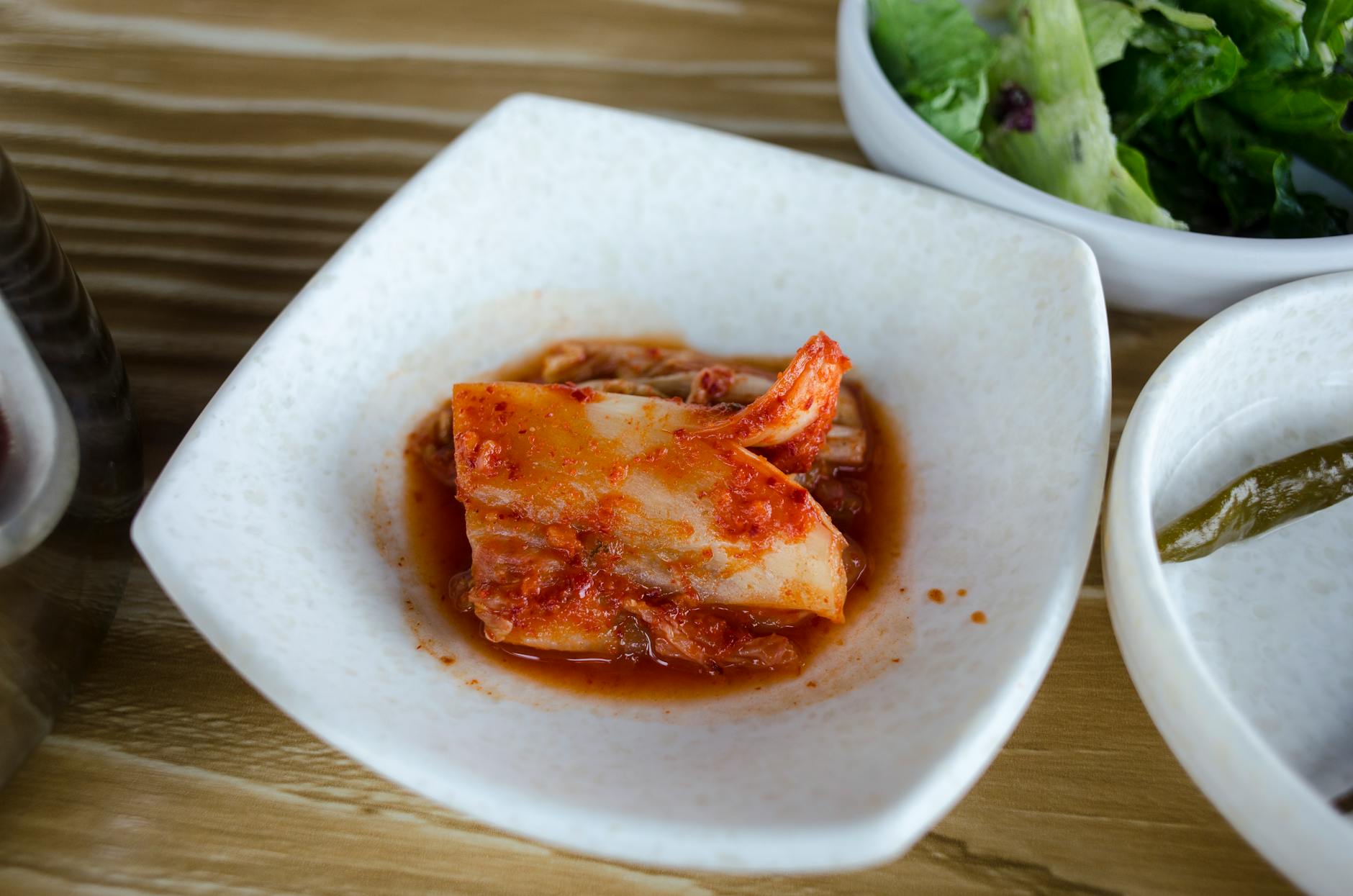
Kimchi may indeed be one of the most important brain foods available for adults over 40 because it simultaneously addresses multiple pathways of cognitive decline through bioactive compounds, beneficial bacteria, and neuroinflammation reduction. Unlike many foods marketed for brain health based on single nutrients, kimchi works through several complementary mechanisms that research has specifically linked to preserving memory and learning ability as we age. For example, a man in his late 50s dealing with normal age-related memory slips might experience measurable cognitive improvements simply by adding fermented kimchi to his regular diet through its direct effects on brain inflammation and gut health.
Research demonstrates that when adults consume kimchi regularly, they’re ingesting a complex blend of bioactive compounds—ascorbic acid, capsaicin, HDMPPA, and quercetin—that have demonstrated antioxidative and anti-inflammatory properties directly relevant to cognitive health. These aren’t theoretical benefits; they’ve been shown in research to actually improve cognitive deficits caused by amyloid-beta accumulation, the same protein linked to Alzheimer’s disease. The fermentation process that creates kimchi is essentially a natural laboratory where beneficial bacteria produce compounds that can cross the blood-brain barrier and influence brain function directly.
Table of Contents
- How Kimchi’s Bioactive Compounds Protect Against Cognitive Decline
- The Gut-Brain Connection: How Kimchi’s Bacteria Protect Your Mind
- Systemic Inflammation Reduction and Brain Protection
- How to Incorporate Kimchi Into Your Daily Routine for Maximum Brain Benefit
- Understanding Kimchi’s Limitations and Who Should Approach It Cautiously
- Kimchi Compared to Other Brain-Protective Foods and Supplements
- The Future of Fermented Foods in Cognitive Health Research
- Conclusion
How Kimchi’s Bioactive Compounds Protect Against Cognitive Decline
The protective compounds in kimchi work at the cellular level in ways that directly combat aging-related brain changes. Research published in peer-reviewed microbiology journals shows that kimchi bioactive compounds improve cognitive deficits caused by amyloid-beta (Aβ25-35) injections in behavioral testing, with measurable recovery of learning and memory abilities demonstrated in study participants. This isn’t a marginal improvement—the research documents actual restoration of cognitive function through mechanisms of oxidative stress reduction and inflammation control. Consider what happens in a typical aging brain: inflammation increases, oxidative stress accumulates, and proteins misfold. Kimchi’s ascorbic acid provides direct antioxidative action, while capsaicin and quercetin work through anti-inflammatory pathways.
The HDMPPA compound—less well-known but highly relevant—specifically targets the mechanisms that allow amyloid-beta to damage neurons. For a woman over 45 noticing slight difficulty retrieving names or occasional brain fog, incorporating kimchi daily could mean the difference between manageable age-appropriate forgetfulness and progressive cognitive decline. The strength of these compounds lies in their variety. Unlike a supplement containing a single ingredient, kimchi provides multiple phytochemicals working synergistically. This multi-mechanism approach is important because cognitive decline isn’t caused by any single process—it’s a convergence of factors. By targeting inflammation, oxidative stress, and protein misfolding simultaneously, kimchi addresses the problem comprehensively rather than marginally.
The Gut-Brain Connection: How Kimchi’s Bacteria Protect Your Mind
Perhaps the most exciting research about kimchi involves its effects on gut bacteria and how those bacteria signal to the brain through the gut-brain axis. When you eat kimchi regularly, you’re not just consuming food; you’re fundamentally shifting your microbial ecosystem. Studies show that kimchi consumption increases proportions of beneficial *Akkermansia muciniphila*—a bacterium specifically associated with better metabolic and cognitive outcomes—while decreasing *Proteobacteria*, a group of bacteria linked to inflammation and neurological problems. The mechanism works through multiple pathways. Kimchi’s lactic acid bacteria (LAB) strains, including *Leuconostoc*, *Lactobacillus*, and *Weissella* species (reaching approximately 9-10 log colony forming units per gram), produce metabolites that strengthen the intestinal barrier.
A stronger intestinal barrier prevents bacterial lipopolysaccharides from entering the bloodstream and reaching the brain, where they trigger damaging inflammation. Research specifically demonstrates that kimchi intake suppresses blood-brain barrier breakage by upregulating tight junction molecules in cerebrovascular endothelial cells, simultaneously reducing pro-inflammatory cytokines in the brain itself. A critical limitation here is that this research, while compelling, comes primarily from animal models and microbial studies in humans. We know kimchi changes your gut bacteria favorably, and we know these bacteria types correlate with better cognitive outcomes in population studies, but large-scale clinical trials directly proving that kimchi consumption prevents dementia in humans over 40 remain limited. The gut-brain axis is real, but the direct path from kimchi consumption to specific cognitive preservation in aging adults requires larger human studies to make definitive claims.
Systemic Inflammation Reduction and Brain Protection
Beyond gut bacteria, kimchi works to reduce the inflammatory state that underlies much age-related cognitive decline. A recent 10-week study examining fermented foods found that people eating fermented foods daily showed lower levels of 19 inflammatory proteins, including interleukin-6—a particularly important finding because elevated interleukin-6 is linked to diabetes, arthritis, and chronic stress, all of which accelerate cognitive decline. This systemic inflammation reduction directly protects brain tissue. The way this works is worth understanding: interleukin-6 and other pro-inflammatory cytokines don’t just float around causing general inflammation—they directly damage the synapses where neurons communicate and memories form. By reducing these markers substantially, kimchi consumption appears to create a less hostile environment for aging brains.
For adults over 40 living with chronic stress, mild hypertension, or metabolic dysfunction, this inflammatory reduction represents genuine neuroprotection. A randomized controlled trial involving 90 participants demonstrated that consuming 3,000 mg of kimchi powder daily for 12 weeks produced significant reduction in body fat mass compared to placebo. While this might seem unrelated to brain health, the connection is direct: obesity and excess body fat promote systemic inflammation, which damages the brain. By reducing visceral fat, kimchi consumption reduces the inflammatory fuel feeding cognitive decline. This is a measurable, documented benefit that compounds the brain-protective effects.
How to Incorporate Kimchi Into Your Daily Routine for Maximum Brain Benefit
Making kimchi a consistent part of your diet requires practical integration, not just buying a jar and forgetting about it. The research suggests effectiveness comes from consistent consumption—roughly 100 to 150 grams daily, which is a modest side portion comparable to what many people eat of yogurt or other fermented foods. This might be a small bowl as a side dish at lunch, a spoonful mixed into morning eggs, or incorporated into rice bowls and grain dishes. The advantage of kimchi over probiotic supplements is that you’re consuming the entire ecosystem of bioactive compounds, fiber, and live bacteria rather than isolated strains in pill form.
Additionally, kimchi provides psychological satisfaction—it tastes distinctive and contributes to a meal rather than feeling like a health obligation. However, kimchi does have sodium content, which matters for people with hypertension; comparing a typical 100-gram serving of kimchi (roughly 500-800mg sodium) against dietary limits is important, especially if you’re already consuming processed foods. Consistency matters more than quantity. A person who eats small amounts of kimchi daily will likely see greater cognitive benefits than someone who consumes large amounts sporadically. This is because the beneficial bacteria need time to establish themselves in your microbiome, and the anti-inflammatory effects build over weeks of consistent consumption.
Understanding Kimchi’s Limitations and Who Should Approach It Cautiously
While kimchi offers genuine cognitive benefits backed by research, important caveats exist. First, most human studies showing cognitive improvements use animal models or study individual biomarkers rather than measuring actual cognitive outcomes in aging humans. The connection between inflammation reduction and cognitive preservation is logical and biologically sound, but proving that kimchi specifically prevents dementia in older adults would require large prospective studies that simply don’t yet exist. Marketing kimchi as a dementia preventative would be overstating current evidence. Second, not all kimchi is created equal. Commercial kimchi varies substantially in fermentation time, bacterial composition, salt content, and added ingredients.
Kimchi that’s been pasteurized contains no live bacteria and provides none of the probiotic benefits. Some commercial varieties contain high levels of sugar or additives that undermine the health profile. Additionally, people with certain conditions require caution: those with Crohn’s disease or IBS sometimes find fermented foods trigger symptoms; people taking certain medications (like immunosuppressants) should discuss probiotic foods with their doctors; and anyone with high blood pressure needs to account for kimchi’s sodium content. Third, kimchi is a food, not a medication. It can be part of a brain-healthy lifestyle but cannot substitute for exercise, cognitive engagement, sleep, social connection, and overall dietary quality. Someone expecting kimchi alone to preserve cognition while remaining sedentary, socially isolated, and eating poorly will be disappointed.

Kimchi Compared to Other Brain-Protective Foods and Supplements
How does kimchi stack up against other foods promoted for brain health? Compared to blueberries, often cited for brain protection, kimchi offers more diverse bioactive compounds and the specific advantage of the gut-brain axis effects through fermentation. Unlike omega-3 supplements, which target single pathways, kimchi addresses inflammation, oxidative stress, and microbial health simultaneously. Compared to yogurt, another fermented food, kimchi contains more varied LAB strains and the added benefit of compounds like capsaicin.
However, kimchi isn’t necessarily superior to a Mediterranean diet rich in whole grains, olive oil, fish, and vegetables—a diet pattern with substantial evidence supporting cognitive preservation. Rather, kimchi functions best as one component of a comprehensive dietary approach. A practical strategy for adults over 40 concerned about cognitive health involves combining kimchi consumption with established brain-protective foods: a Mediterranean-style diet base with consistent fermented foods like kimchi and yogurt, adequate whole grains, regular fatty fish, nuts, and olive oil.
The Future of Fermented Foods in Cognitive Health Research
The field of psychobiotics—the study of how microbiota and fermented foods influence brain function—is rapidly expanding. As researchers conduct larger human trials specifically examining fermented foods and cognitive outcomes in aging populations, we’ll likely see clearer evidence about optimal consumption levels, which populations benefit most, and specific strains most beneficial for brain health. Several clinical trials are underway examining this connection more directly in older adults.
What seems clear from current evidence is that kimchi represents more than a traditional food—it’s a functional food backed by multiple mechanisms of action relevant to cognitive aging. For adults over 40 willing to incorporate it consistently into their diet, the evidence suggests real benefits to brain health through multiple overlapping pathways. As our understanding of the gut-brain axis deepens, we may discover that this fermented cabbage is indeed one of the most practical, accessible, and evidence-supported brain foods available.
Conclusion
Kimchi could reasonably be considered one of the most important brain foods for adults over 40 because it simultaneously targets multiple mechanisms of cognitive decline: it provides bioactive compounds that reduce oxidative stress and inflammation in the brain directly, it shifts gut bacteria toward strains associated with better cognitive outcomes, and it reduces systemic inflammation that damages neural tissue. The research, while not yet offering definitive proof of dementia prevention, clearly demonstrates these protective mechanisms at the cellular and microbial levels, making a compelling case for regular consumption.
For practical implementation, the evidence suggests that consistent daily consumption of modest amounts of fermented kimchi—perhaps 100 to 150 grams daily—offers cognitive protection without requiring significant dietary overhaul. Paired with other established brain-healthy practices like Mediterranean-style eating, regular exercise, cognitive engagement, and sleep quality, kimchi represents an accessible, tasty, and evidence-supported addition to a brain-protective lifestyle. Rather than viewing it as a solution, viewing kimchi as one valuable component of comprehensive cognitive health makes both scientific and practical sense.
You Might Also Like
- Why wild blueberries Could Be the Most Important Brain Food for Adults Over 50
- Why whole grains Could Be the Most Important Brain Food for Adults Over 50
- Why walnuts Could Be the Most Important Brain Food for Adults Over 70
For more, see National Institute on Aging.