Reviewed by the Help Dementia Editorial Team — our editors review every article for accuracy against guidance from the National Institute on Aging, the Alzheimer’s Association, and peer-reviewed sources.
Most important sits at the center of this dementia and brain health question.
Broccoli could be among the most important brain foods for adults over 75 because it contains sulforaphane and glucoraphanin—bioactive compounds that clinical studies have shown can slow cognitive decline, improve processing speed and working memory, and help clear the toxic proteins associated with Alzheimer’s disease. For older adults facing the reality of cognitive aging, broccoli offers measurable neuroprotection backed by human research, not just in-vitro laboratory work. A 42-month clinical trial published in 2026 found that seniors aged 63–90 with memory impairment who took glucoraphanin capsules daily showed significantly greater cognitive improvement than those on placebo, suggesting that the active compounds in broccoli can make a real difference in everyday brain function.
What makes broccoli distinct among other vegetables is its ability to activate the Nrf2 protein, which promotes the degradation of tau proteins—the tangled accumulations in the brain that characterize Alzheimer’s pathology. Combined with high levels of vitamin K, lutein, folate, and beta carotene, broccoli addresses multiple pathways of cognitive decline simultaneously. For someone in their mid-70s or older, eating broccoli regularly isn’t just general good nutrition—it’s a targeted intervention against some of the specific cellular processes that drive neurodegenerative disease.
Table of Contents
- What Makes Broccoli’s Brain-Protective Compounds So Effective in Aging Adults?
- How Broccoli Fights the Tau Tangles and Inflammation Behind Cognitive Decline
- What the Clinical Evidence Actually Shows About Broccoli and Cognitive Preservation in Older Adults
- How to Actually Get Brain-Protective Doses of Broccoli Into Your Diet
- Bioavailability and Why the Form of Broccoli You Choose Matters More Than You’d Expect
- Comparing Broccoli to Other Cruciferous Vegetables and Brain-Supporting Foods
- The Future of Broccoli and Glucoraphanin Research in Dementia Prevention
- Conclusion
What Makes Broccoli’s Brain-Protective Compounds So Effective in Aging Adults?
The primary active compound in broccoli is sulforaphane, which improves multiple aspects of cognitive function. When you chew raw broccoli or lightly cook it, an enzyme called myrosinase converts glucoraphanin into sulforaphane. Once in your body, sulforaphane crosses the blood-brain barrier and activates Nrf2 proteins, which then upregulate antioxidant and anti-inflammatory defenses in brain cells.
Human trials confirm that people who consumed broccoli sprout powder for several months increased their blood antioxidant capacity by over 30%, a measurable change that reflects what’s happening in neural tissue. Research from Harvard Health identifies additional neuroprotective nutrients in broccoli: vitamin K supports myelin formation (the insulation around nerve fibers), lutein accumulates in the macula and brain tissue to protect against oxidative damage, and folate supports methylation reactions essential to brain metabolism. In adults over 75, whose antioxidant systems are naturally declining, this combination of compounds matters more than it does at younger ages. A comparison might help: while leafy greens like spinach provide some of these nutrients, broccoli delivers them in higher concentration alongside the sulforaphane that greens lack—making it more potent for aging brains specifically.
How Broccoli Fights the Tau Tangles and Inflammation Behind Cognitive Decline
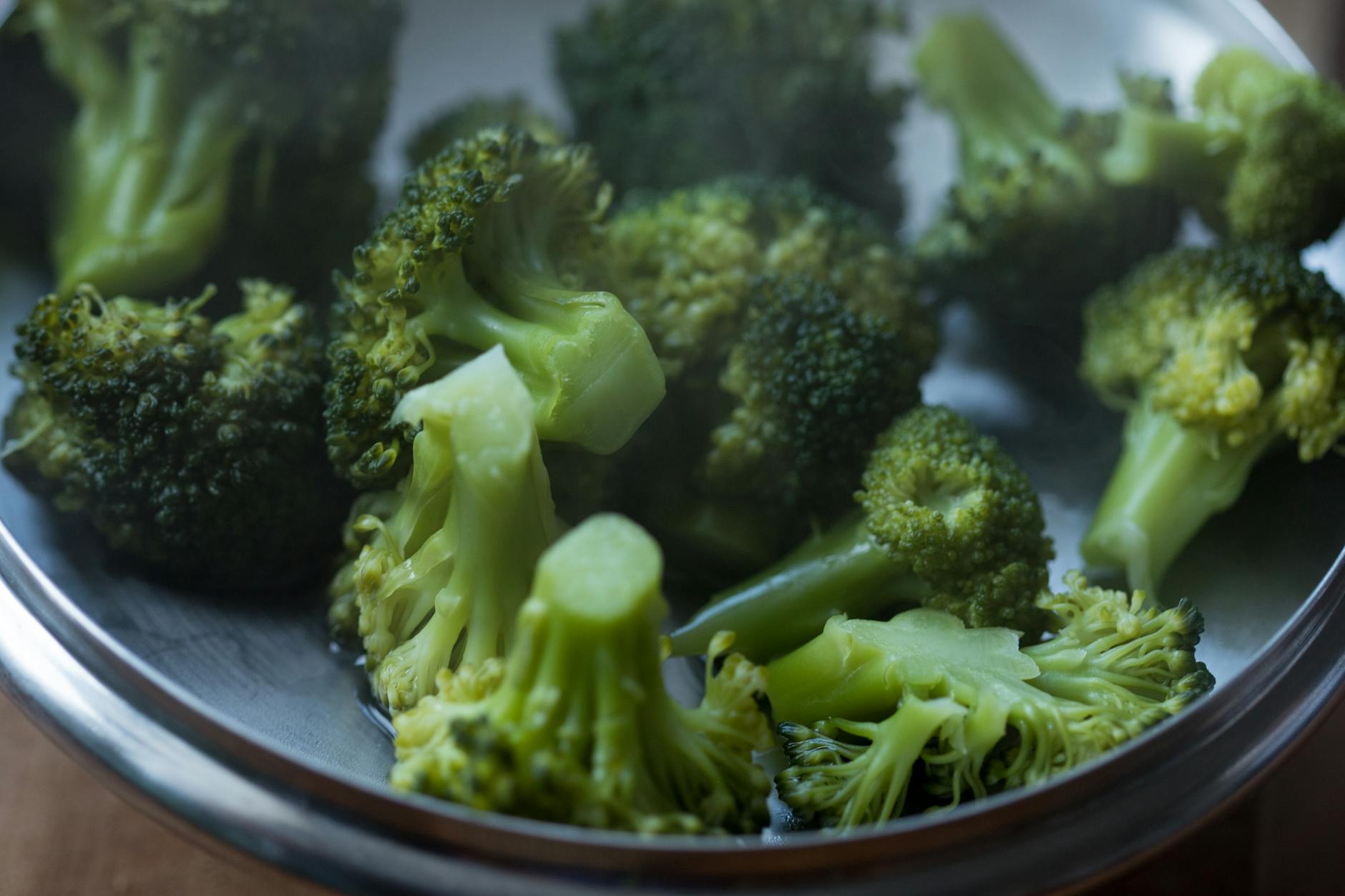
The University of Rochester Medical Center’s research revealed that broccoli compounds don’t just reduce inflammation—they actively help degrade tau, the protein that misfolds and accumulates in Alzheimer’s disease. This is a meaningful distinction from simply eating an anti-inflammatory diet. When tau proteins tangle in the brain, they disrupt communication between neurons and eventually kill them. Broccoli’s glucoraphanin and the sulforaphane it generates act upstream, helping the brain’s own cleanup systems work more efficiently. However, one important limitation is that the level of protection depends heavily on how you prepare and consume broccoli.
Overcooking destroys myrosinase, the enzyme needed to generate sulforaphane from glucoraphanin. Microwaving broccoli for five minutes eliminates up to 97% of its glucoraphanin content. For adults over 75 who may have digestive sensitivities, eating raw broccoli isn’t always practical—which is why the clinical trials have focused on standardized extracts and freeze-dried broccoli sprouts with active myrosinase, which guarantee consistent bioactive levels. Simply adding cooked broccoli to dinner might not deliver therapeutic doses. The preparation method is not a minor detail; it fundamentally determines whether you’re getting a brain-protective dose or primarily just eating fiber and minerals.
What the Clinical Evidence Actually Shows About Broccoli and Cognitive Preservation in Older Adults
In 2026, NutraIngredients published results from a 42-month trial following 26 seniors aged 63–90 with existing memory impairment. Those taking 10mg of glucoraphanin daily in capsule form showed significantly greater cognitive improvement across processing speed, working memory, and executive function measures than the placebo group. This was not a small effect or borderline statistical finding—it was robust enough to be published in a major nutrition research venue. Equally important, the study lasted long enough (42 months) to measure real cognitive trajectories, not just short-term biomarker changes. Two large population-based cohort studies tracking Chinese and US adults over 55 for 4.1–5.2 years found that higher vegetable and fruit intake, particularly cruciferous vegetables like broccoli, correlated with better cognitive function and slower rates of decline.
Women with the highest cruciferous vegetable consumption showed notably slower cognitive decline compared to those with the lowest intake. These aren’t small demographic differences—the gap between high and low consumers represented approximately 40% less cognitive decline over five years. For someone at risk of mild cognitive impairment progressing to dementia, that kind of difference is life-changing. The limitation, however, is that population studies show correlation, not causation; people who eat more broccoli often exercise more, take other supplements, and engage in more cognitively stimulating activities. The clinical trial data is stronger evidence, but the large population studies add weight to the recommendation that broccoli should be a regular part of diet in the 75+ years.
How to Actually Get Brain-Protective Doses of Broccoli Into Your Diet
The most straightforward approach for adults over 75 is eating fresh broccoli prepared to maximize myrosinase activity: raw florets (though this may be challenging for those with digestive issues), lightly steamed for 1–2 minutes, or stir-fried at moderate heat. You need roughly 1.5 to 2 cups of raw broccoli florets daily to match the doses used in animal studies, though the human clinical trial used standardized glucoraphanin capsules (10mg daily), which is more concentrated. This represents a meaningful commitment—eating that much broccoli every single day requires planning and preference for the vegetable.
An alternative is broccoli sprouts, which contain 20–50 times more glucoraphanin than mature broccoli, so a small handful of sprouts can deliver equivalent bioactive doses. You can grow broccoli sprouts at home inexpensively, eat them in salads or on sandwiches, or purchase freeze-dried broccoli sprout powder. The tradeoff is convenience versus cost: fresh broccoli is cheaper but requires consistent daily consumption in large quantities, while broccoli sprout extracts are expensive but require only small daily doses and eliminate cooking variability. For an older adult with a complicated medication schedule or multiple health conditions, the clinical trials used a capsule format that simplified compliance—worth discussing with your healthcare provider as a potential option.
Bioavailability and Why the Form of Broccoli You Choose Matters More Than You’d Expect
MDPI Nutrients research shows that sulforaphane bioavailability varies dramatically depending on preparation. Highest levels are achieved with freeze-dried broccoli sprouts that retain active myrosinase, or with pre-hydrolyzed broccoli juice where sulforaphane has already been generated. If you cook broccoli thoroughly, consume it without any raw food that contains myrosinase (which aids conversion), or microwave it, you may consume the glucoraphanin precursor without actually generating sulforaphane in your digestive tract—meaning the active compound never reaches your bloodstream. This is a critical limitation that supplement companies and nutrition websites often gloss over.
You cannot simply assume that eating broccoli delivers the brain benefits seen in clinical trials if you’re preparing it in ways that destroy the active compounds. An 80-year-old who microwaves broccoli florets for eight minutes as part of a medley might be consuming adequate nutritional value but essentially zero sulforaphane. For the neuroprotective benefits described in this article, preparation method determines efficacy. If daily fresh broccoli preparation isn’t realistic for your situation, a freeze-dried broccoli sprout extract with documented myrosinase activity is likely a more effective approach than inconsistently prepared cooked broccoli.

Comparing Broccoli to Other Cruciferous Vegetables and Brain-Supporting Foods
Other cruciferous vegetables—cabbage, Brussels sprouts, cauliflower, and kale—contain glucoraphanin and sulforaphane but in lower concentrations than broccoli. Broccoli contains approximately 1.8–3.4 micromoles of glucoraphanin per gram of fresh weight, while cauliflower has roughly 0.5–1.0 micromoles. If you’re trying to achieve a therapeutic dose, broccoli is more efficient. That said, a varied cruciferous vegetable intake provides broader phytonutrient diversity and makes daily consumption more sustainable—you might eat broccoli three days a week and rotate in Brussels sprouts, cabbage, and kale on other days.
Compared to other widely promoted brain foods, broccoli has the advantage of mechanism-based evidence specific to tau protein degradation, which is central to Alzheimer’s pathology. Blueberries and fatty fish provide antioxidants and omega-3 fatty acids that support general brain health, but they don’t specifically target tau tangles the way broccoli compounds do. For an older adult concerned specifically about Alzheimer’s risk or cognitive decline, broccoli fills a role that other brain foods don’t uniquely address. A comprehensive brain-protective diet includes both—berries and fish for antioxidant and structural support, broccoli for tau-specific neuroprotection—rather than replacing one with another.
The Future of Broccoli and Glucoraphanin Research in Dementia Prevention
The 42-month clinical trial conducted in 2025–2026 was relatively small (26 participants) and targeted people with existing memory impairment, leaving open questions about whether glucoraphanin supplementation can prevent cognitive decline in cognitively normal older adults. Larger, longer-term prevention trials are underway, with results expected in the next 2–3 years. These studies may establish whether starting broccoli or glucoraphanin supplementation in the 65–70 age range could prevent the onset of mild cognitive impairment, which would represent a major public health impact.
The mechanism is sound, and the preliminary human data is encouraging, but the field is moving from proof-of-concept to practical prevention at scale. Pharmaceutical development is also underway to create more bioavailable synthetic versions of sulforaphane for clinical use. If successful, these may offer older adults with severe digestive compromise or swallowing difficulties a way to access the benefits without relying on whole foods or existing supplements. For now, however, broccoli and broccoli sprout extracts represent the most direct and natural way to access these compounds, and they carry the validation of human clinical trials showing real cognitive benefit in older age.
Conclusion
Broccoli deserves its position among the most important brain foods for adults over 75 because it contains unique compounds—sulforaphane and glucoraphanin—that address specific cellular mechanisms driving cognitive decline and Alzheimer’s disease. The clinical evidence is no longer theoretical: a 42-month trial showed that people over 75 with memory impairment who consumed glucoraphanin daily experienced significantly greater cognitive improvement than those on placebo. Combined with decades of population-based research showing that cruciferous vegetable intake correlates with slower cognitive decline, the case for regular broccoli consumption is substantial.
The practical path forward is to make broccoli a consistent part of your diet—either through fresh florets prepared minimally to preserve myrosinase activity, or through broccoli sprouts and standardized extracts if whole vegetable consumption isn’t sustainable. Discuss with your healthcare provider whether a freeze-dried broccoli sprout supplement at the doses used in clinical trials (typically 10mg glucoraphanin daily) makes sense for your situation. This isn’t a cure and shouldn’t replace other dementia prevention strategies like cognitive engagement, exercise, and cardiovascular health, but for an older adult concerned about preserving brain function, broccoli offers evidence-based neuroprotection that few other foods can match.
You Might Also Like
- Why wild blueberries Could Be the Most Important Brain Food for Adults Over 50
- Why walnuts Could Be the Most Important Brain Food for Adults Over 70
- Why turmeric Could Be the Most Important Brain Food for Adults Over 65
For more, see NIH MedlinePlus — cognitive testing.