Reviewed by the Help Dementia Editorial Team — our editors review every article for accuracy against guidance from the National Institute on Aging, the Alzheimer’s Association, and peer-reviewed sources.
Scientists reveal sits at the center of this dementia and brain health question.
You may have encountered headlines claiming salmon is bad for your brain, but this assertion doesn’t hold up under scientific scrutiny. When researchers examine the actual evidence, the conclusion is remarkably different: salmon and other fatty fish are among the best foods you can eat for cognitive health and dementia prevention. The confusion likely stems from occasional concerns about farmed salmon and contaminants, but wild salmon remains a top-tier brain food according to major health institutions, including the FDA and leading neuroscience centers.
The evidence is substantial and consistent. Multiple peer-reviewed studies show that people who consume fatty fish like salmon regularly experience slower mental decline, improved cognitive function, and better brain structure as measured by advanced imaging. For those concerned about dementia risk, salmon represents one of the evidence-based dietary choices that can genuinely make a difference in protecting brain health over time.
Table of Contents
- What Does the Research Actually Show About Salmon and Brain Function?
- The Truth About Farmed Salmon and Contaminant Concerns
- Omega-3s and Brain Structure: The Neuroscience Behind Salmon’s Benefits
- Salmon vs. Other Protein Sources: A Brain Health Comparison
- Mercury and Contaminants: Why Salmon Remains Safe
- Practical Brain Health Eating: Salmon in a Dementia Prevention Diet
- Looking Forward: Salmon in Long-Term Brain Health Strategy
- Conclusion
What Does the Research Actually Show About Salmon and Brain Function?
The scientific consensus on salmon and brain health is clear: it’s beneficial, not harmful. A randomized controlled trial published in peer-reviewed literature found that preschool children who consumed Atlantic salmon regularly for just 16 weeks showed measurable improvements in fluid intelligence tests—the type of cognitive capability that predicts academic success and problem-solving ability. In adult populations, research from UT Health San Antonio revealed that adequate omega-3 levels, particularly DHA (the long-chain omega-3 found abundantly in salmon), are associated with better brain structure and improved cognitive function in people in their 40s and 50s—the critical window for dementia prevention.
UCLA Health researchers specifically documented that a diet rich in fatty fish is linked to slower mental decline. This isn’t a small effect or a marginal association; it’s a measurable difference in cognitive trajectory over time. The omega-3 fatty acids in salmon, particularly docosahexaenoic acid (DHA), comprise about 8% of brain weight and are fundamental to how neurons communicate with each other. Without adequate DHA, your brain’s cellular communication becomes less efficient, and cognitive decline accelerates.

The Truth About Farmed Salmon and Contaminant Concerns
The concern about salmon quality typically centers on farmed versus wild-caught varieties, with some pointing to certain contaminants in farmed salmon. However, even this concern needs context. The FDA has evaluated salmon thoroughly and concluded it remains “one of the top choices for minimizing mercury exposure while providing brain-healthy omega-3s.” This is a crucial distinction—salmon is specifically recommended as a safer choice than other seafood options when you want omega-3s without high mercury risk. Farmed salmon does contain higher levels of certain contaminants like PCBs compared to wild salmon, which is a legitimate consideration.
However, the brain benefits of the omega-3s in farmed salmon typically outweigh these contaminant concerns for most people. The real danger lies elsewhere in the diet. Research has identified the actual worst foods for brain health: diet sodas with artificial sweeteners, fried and heavily processed foods, and high-mercury fish like tuna and swordfish. If you’re choosing between farmed salmon and a diet loaded with processed snacks and fried foods, salmon—even farmed salmon—is the vastly superior choice for your brain.
Omega-3s and Brain Structure: The Neuroscience Behind Salmon’s Benefits
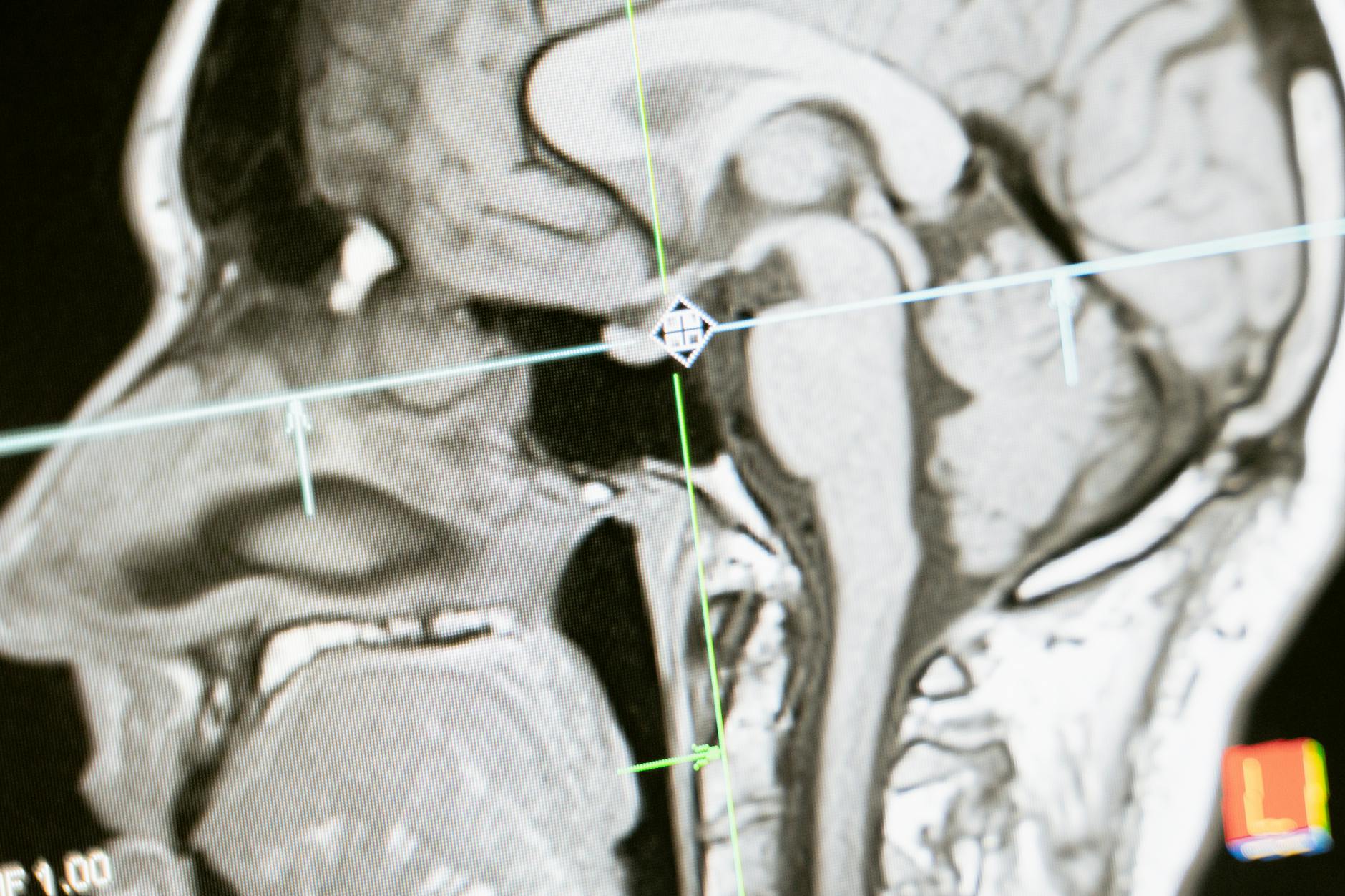
The mechanism by which salmon protects your brain is well-understood at the cellular level. DHA (docosahexaenoic acid), the primary omega-3 in salmon, is a critical structural component of brain cell membranes. When you consume adequate omega-3s, your red blood cell membranes better reflect your overall omega-3 status, and research shows this correlation predicts brain structure quality on MRI scans. People with adequate omega-3 levels show better white matter integrity—essentially, better “wiring” between different brain regions.
This structural benefit translates to functional advantages. Midlife adults (ages 40-50) with better omega-3 status show improved cognitive performance on fluid intelligence tests, which measure your ability to solve novel problems and adapt to new situations. For someone concerned about dementia prevention, this is significant. Dementia often involves deterioration in exactly these capacities—the ability to think flexibly and manage complex tasks. By consuming omega-3-rich foods like salmon during midlife, you’re literally building a more robust brain architecture that can better resist cognitive decline in later years.
Salmon vs. Other Protein Sources: A Brain Health Comparison
If you’re choosing between salmon and other protein sources, the brain health advantage is clear. Compared to red meat—which some research links to increased dementia risk, particularly when processed—salmon provides protein without the saturated fat and potential inflammatory compounds. Compared to chicken breast (leaner but lacking omega-3s), salmon offers the same protein with the added benefit of brain-protective fats. Even compared to plant-based proteins like legumes, which are nutritious, salmon provides DHA in its most bioavailable form; your body can utilize salmon’s omega-3s far more efficiently than converting plant-based ALA (alpha-linolenic acid) to DHA.
The tradeoff is cost and accessibility. High-quality salmon, whether wild or farmed, costs more than many protein alternatives. For people on limited budgets, canned salmon (which retains most omega-3 benefits) offers a more affordable option than fresh fillets. Another consideration: salmon’s mild, versatile flavor makes it easier for people with changing taste preferences (common in aging) to incorporate regularly into their diet compared to more polarizing protein sources like strong-flavored fish or organ meats.
Mercury and Contaminants: Why Salmon Remains Safe
A common concern driving the myth that salmon is “bad for your brain” is worry about mercury contamination in fish. However, salmon has relatively low mercury content compared to other seafood. The FDA’s guidance specifically highlights salmon as a top choice precisely because it provides omega-3 benefits with minimal mercury risk. High-mercury fish like tuna, swordfish, king mackerel, and shark pose a genuine risk to cognitive development and brain health, particularly for pregnant women and children.
For people concerned about contaminants in farmed salmon specifically, the solution is straightforward: choose wild salmon when affordable and available. Wild salmon has lower contaminant levels and feeds on a natural diet. However, if farmed salmon is your realistic option, the omega-3 benefits substantially outweigh contaminant risks for most adults. The evidence suggests that avoiding salmon due to contaminant concerns while consuming processed foods high in refined sugars and unhealthy fats would be a net loss for brain health.

Practical Brain Health Eating: Salmon in a Dementia Prevention Diet
For someone focused on dementia prevention, the research suggests consuming fatty fish like salmon at least twice weekly. This frequency aligns with major dietary recommendations for brain health, including elements of the Mediterranean diet and MIND diet—both specifically designed to lower dementia risk. A single 3-4 ounce serving of salmon provides roughly 1500-2000 mg of combined EPA and DHA omega-3s, amounts shown in research to produce measurable cognitive benefits.
Salmon can be incorporated into meals in multiple ways: grilled fillets, baked, in salads, or as canned salmon in sandwiches. For older adults or those with swallowing difficulties, salmon’s tender texture and ability to flake apart make it more manageable than many other proteins. Some evidence suggests that pairing salmon with foods containing other brain-protective nutrients—like vegetables high in antioxidants—creates a synergistic effect, though the omega-3s in salmon themselves remain the primary cognitive benefit.
Looking Forward: Salmon in Long-Term Brain Health Strategy
As research on brain health and dementia prevention continues, omega-3 consumption consistently emerges as one of the few dietary interventions with robust evidence for cognitive protection. Unlike some nutritional recommendations that shift based on new studies, the brain benefits of fish consumption have held steady across decades of research. Salmon specifically offers an accessible, palatable way to obtain these protective nutrients.
The future of dementia prevention likely involves integrated dietary approaches rather than single “superfood” solutions. Salmon fits naturally into comprehensive brain-healthy eating patterns that also include vegetables, whole grains, nuts, and limited processed foods. Rather than viewing salmon as a singular solution, it functions best as one evidence-based component of a dementia-preventive lifestyle that also includes physical activity, cognitive engagement, and strong social connections.
Conclusion
The claim that salmon is “one of the worst foods for brain health” is not supported by scientific evidence. In fact, the research consensus points in the opposite direction: salmon and other fatty fish are among the best dietary choices for protecting cognitive function and reducing dementia risk. The omega-3 fatty acids in salmon contribute to brain structure, support cognitive function across the lifespan, and have shown measurable benefits in children, midlife adults, and older adults.
If you’re concerned about brain health and dementia prevention, regular salmon consumption represents one of the most evidence-based dietary choices available. Whether you select wild salmon for maximum quality or choose the more affordable option of farmed salmon, the cognitive benefits remain substantial. The real dietary risks to brain health come from processed foods, diet sodas, and high-mercury fish—not from salmon.
You Might Also Like
- Scientists Reveal wild blueberries Is One of the Worst Foods for Brain Health
- Scientists Reveal walnuts Is One of the Worst Foods for Brain Health
- Scientists Reveal sardines Is One of the Worst Foods for Brain Health
For more, see Alzheimer’s Association — caregiving.