Reviewed by the Help Dementia Editorial Team — our editors review every article for accuracy against guidance from the National Institute on Aging, the Alzheimer’s Association, and peer-reviewed sources.
New research sits at the center of this dementia and brain health question.
Recent research has identified a promising connection between swiss chard and improved brain health in older adults. A 2021 study published in Nutritional Neuroscience found that swiss chard extract significantly elevated magnesium levels in the brain, with magnesium being a crucial mineral for maintaining cognitive function and memory as we age. For adults over 65, who are already at higher risk for both magnesium deficiency and cognitive decline, this finding suggests that regular consumption of swiss chard could offer meaningful support for brain health.
The research is particularly significant because it demonstrates a direct mechanism: when magnesium intake is reduced, brain magnesium levels drop rapidly, which correlates with cognitive decline and increased anxiety-like behaviors. Swiss chard, which is rich in both magnesium and other brain-supporting nutrients like folate, vitamin K, and lutein, appears to help counteract this decline. However, it’s important to note that most of the primary research was conducted in animal models, so while the findings are encouraging, they point the way toward further human clinical research rather than providing definitive proof of human benefit.
Table of Contents
- What Does the 2021 Research Reveal About Swiss Chard and Brain Function?
- How Magnesium Deficiency Affects the Aging Brain
- The Complete Nutritional Profile of Swiss Chard
- How to Incorporate Swiss Chard Into Your Brain-Health Diet
- Understanding Why the Research Is Based on Animal Studies
- Other Brain-Supporting Leafy Greens to Consider
- The Future of Nutrition Research in Brain Health
- Conclusion
What Does the 2021 Research Reveal About Swiss Chard and Brain Function?
The 2021 Nutritional Neuroscience study examined how dietary supplementation with swiss chard extract affected brain magnesium levels and cognitive performance. Researchers compared animals that received a normal magnesium diet with those on a reduced-magnesium diet, and then supplemented some of the magnesium-deficient animals with swiss chard extract. The results showed that swiss chard supplementation significantly restored brain magnesium levels that had been depleted by the restricted diet. In practical terms, this means that even if your overall magnesium intake is lower than optimal, swiss chard appears to be an especially effective source for replenishing brain magnesium specifically.
The same study tested cognitive performance using a novel object recognition test—essentially measuring how well animals could remember and identify new items. Animals on the reduced magnesium diet performed more poorly on these tests, but those supplemented with swiss chard extract showed improved cognitive performance compared to their magnesium-deficient peers. For people over 65, who naturally experience some decline in both nutrient absorption and cognitive function, this suggests that swiss chard might help slow or mitigate age-related cognitive changes. The advantage of swiss chard over other magnesium sources appears to be its combination of magnesium with complementary nutrients that also support brain health.

How Magnesium Deficiency Affects the Aging Brain
Magnesium is essential for hundreds of enzymatic reactions in the body, but its role in brain function is particularly critical. This mineral is involved in regulating neurotransmitters, protecting neurons from damage, and supporting the formation of synapses—the connections between brain cells where memory and learning occur. The 2021 research demonstrated that just a moderate reduction in magnesium intake (about 13% below normal levels, sustained for 30 days) resulted in measurable decreases in brain magnesium and the emergence of anxiety-like behaviors in animal subjects. This is significant because it shows that the brain is highly sensitive to magnesium status, and even modest deficiencies can trigger noticeable changes in mood and cognition. In older adults, magnesium deficiency is particularly concerning because they are more likely to have inadequate intake, reduced absorption due to changes in stomach acid and digestive enzymes, and increased losses from certain medications.
Common medications for conditions like high blood pressure and heart disease can increase magnesium excretion through urine. For someone over 65 already managing multiple health conditions, the combination of reduced intake, poor absorption, and medication side effects can create a significant magnesium deficit over time. This deficit doesn’t always produce obvious symptoms—it builds gradually—but research like the 2021 study suggests it may silently undermine cognitive reserve and increase vulnerability to memory problems and anxiety. One important limitation is that while the animal research clearly demonstrates magnesium’s importance for brain function, we cannot yet definitively say that the degree of improvement seen in rats will translate directly to humans. Human brain physiology is more complex, and factors like age, genetics, other dietary components, and existing health conditions all influence how effectively dietary magnesium supports cognition.
The Complete Nutritional Profile of Swiss Chard
Beyond magnesium, swiss chard contains an impressive array of nutrients that independently support brain health. One cup of cooked swiss chard provides substantial amounts of folate, a B vitamin essential for reducing homocysteine levels. Elevated homocysteine is linked to increased risk of cognitive decline and dementia, so maintaining adequate folate is particularly important for older adults. Swiss chard also contains vitamin K, which research suggests may support cognitive function and has been associated with better brain health markers in aging populations.
Lutein and zeaxanthin, carotenoid compounds in swiss chard that give leafy greens their green color, accumulate in the brain (particularly in the macula of the eye, but also in neural tissue) and function as antioxidants and anti-inflammatory agents. These compounds have been studied in relation to age-related cognitive decline, with some research suggesting that people with higher brain lutein levels perform better on cognitive tests. Additionally, swiss chard provides calcium, which works with magnesium in nerve signal transmission and muscle function, and various polyphenols that have anti-inflammatory and antioxidant properties. For someone over 65, this comprehensive nutritional package means that eating swiss chard addresses multiple pathways to brain health simultaneously, rather than providing a single-nutrient benefit.
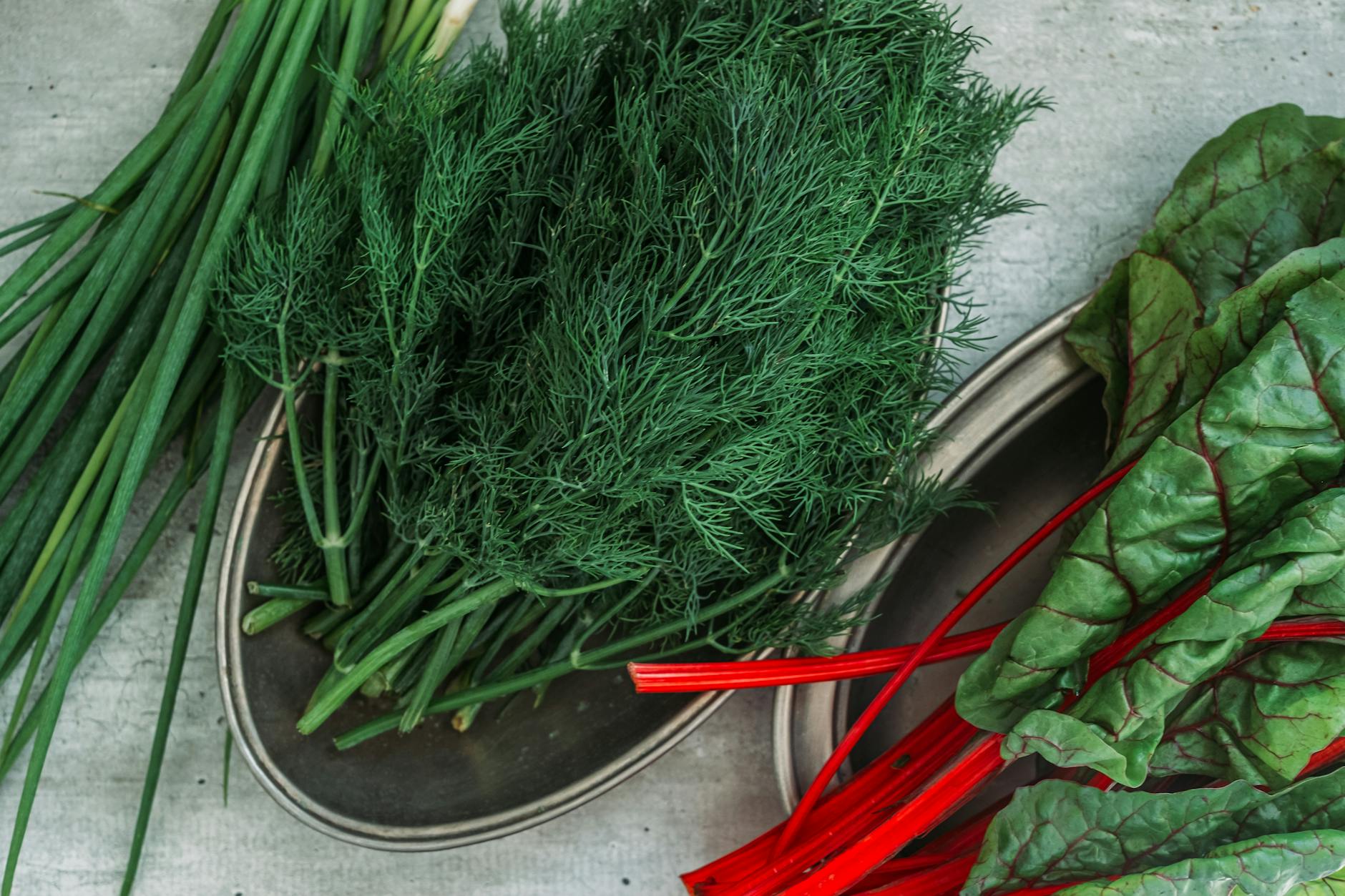
How to Incorporate Swiss Chard Into Your Brain-Health Diet
For adults over 65 looking to boost their dietary magnesium and brain-supporting nutrients, swiss chard is remarkably versatile and accessible. Unlike some trendy superfoods, swiss chard is affordable, available year-round in most grocery stores, and requires minimal preparation. Sautéed with garlic and olive oil, it becomes a simple side dish that takes less than five minutes to prepare. Many people find that adding swiss chard to soups, stews, and curries—where it softens and becomes more tender—is an easy way to increase intake without major lifestyle changes. A practical starting point is including a half-cup of cooked swiss chard in your diet several times per week, which provides meaningful amounts of magnesium and other supportive nutrients.
It’s worth comparing swiss chard to other commonly eaten leafy greens to understand its advantages and limitations. Spinach and kale contain slightly different nutrient profiles; spinach has more folate per serving, while kale has slightly more calcium. Swiss chard, however, stands out for its particularly high magnesium content relative to other common greens, making it especially valuable if magnesium deficiency is a concern. The practical tradeoff is that swiss chard’s thick, sturdy stems require slightly longer cooking than the delicate leaves of spinach, but many people find this texture appealing. For older adults with dental issues or difficulty chewing, this robust texture can actually be a disadvantage, in which case blending cooked swiss chard into soups or smoothies becomes a useful workaround.
Understanding Why the Research Is Based on Animal Studies
It’s important for anyone reading about nutrition research to understand the distinction between animal studies and human clinical trials, as this affects how much we can directly apply findings to our own health decisions. The primary swiss chard and brain magnesium research was conducted in laboratory rats, which, while sharing fundamental brain biology with humans, have different lifespans, metabolisms, and life circumstances. Rats were given controlled diets in controlled environments, whereas real humans eat varied diets, face stress, take medications, and have genetic variations that affect nutrient absorption and utilization.
The animal study does not mean that swiss chard won’t help human brains—rather, it means that the evidence is preliminary and promising, not yet conclusive. It shows that the biological mechanisms are plausible and worth studying further in human populations. To date, there have been broader human studies on magnesium and cognition, as well as observational studies showing that people who eat more vegetables (including leafy greens) have lower rates of cognitive decline, but a definitive human clinical trial specifically testing swiss chard supplementation and brain function in older adults has not yet been published. This is a limitation to keep in mind, but it should not discourage consumption of a nutrient-dense food—it simply means we are building our dietary choices on a foundation of reasonable evidence rather than absolute proof.

Other Brain-Supporting Leafy Greens to Consider
While the 2021 research specifically highlighted swiss chard, a practical approach to brain health involves consuming a variety of colorful vegetables, particularly leafy greens. Collard greens, another cruciferous green, provide even higher magnesium content than swiss chard and are particularly popular in certain regional cuisines. Spinach offers higher bioavailable iron and folate, though it also contains oxalates that can interfere with mineral absorption if consumed in extremely large quantities. Kale has gained considerable attention for its glucosinolates, compounds with potential anti-inflammatory and neuroprotective properties.
The advantage of eating a diverse range of these greens is that you capture different nutrient profiles and benefit from their complementary compounds. A practical example would be a rotating weekly pattern: swiss chard on Monday and Thursday, spinach on Tuesday and Friday, and kale on Wednesday and Saturday, with any other vegetables on the remaining days. This approach ensures that if one particular green has nutrient absorption limitations, others compensate, and it also prevents boredom with eating the same food repeatedly. For older adults, variety also helps maintain interest and adherence to healthy dietary patterns over the long term.
The Future of Nutrition Research in Brain Health
As the population ages and dementia rates climb, nutrition research is increasingly focused on identifying foods and nutrients that might delay or prevent cognitive decline. The 2021 swiss chard study fits into a broader research landscape examining the role of mineral status, antioxidant intake, and anti-inflammatory dietary patterns in brain aging. Future research will likely include human clinical trials specifically examining the effects of increased swiss chard consumption on cognitive outcomes in older adults, potentially comparing it to other magnesium-rich foods and to magnesium supplementation.
One emerging area is understanding whether the bioavailability of magnesium from food sources like swiss chard differs from supplemental magnesium in terms of brain uptake and effectiveness. There’s also growing interest in how multiple nutrients work together—for example, whether magnesium is more effective for brain health when paired with adequate folate, vitamin K, and antioxidants, as it naturally is in swiss chard. As this research develops, dietary recommendations for brain health may become increasingly personalized based on individual magnesium status, genetics, and other health factors. In the meantime, incorporating nutrient-dense foods like swiss chard into a diverse diet remains one of the most evidence-supported approaches to supporting brain health as we age.
Conclusion
Recent research linking swiss chard to better brain health after 65 is based on solid science about magnesium’s crucial role in cognitive function and brain protection. The 2021 study demonstrating that swiss chard supplementation restores brain magnesium levels and improves cognitive performance in animal models provides an encouraging foundation for dietary recommendations, particularly for older adults who may be at risk for magnesium deficiency. Combined with swiss chard’s other brain-supporting nutrients—folate, vitamin K, lutein, and calcium—regular consumption represents a practical, accessible, and affordable way to support brain health through nutrition.
While the primary research was conducted in animals rather than humans, the findings align with broader research on vegetables, leafy greens, and cognitive health, and they point toward a clear biological mechanism through which diet influences brain function. For anyone over 65 concerned about cognitive health, adding swiss chard to your regular diet—whether sautéed, in soups, or blended into smoothies—is a simple step supported by evidence and expert nutritional guidelines. As additional human research emerges, we may gain even more specific insights into optimal intake levels and how swiss chard compares to other approaches to supporting brain health through nutrition.
You Might Also Like
- New Research Links turmeric to Better Brain Health After 65
- New Research Links strawberries to Better Brain Health After 65
- New Research Links spinach to Better Brain Health After 50
For more, see NIH MedlinePlus — dementia.