Reviewed by the Help Dementia Editorial Team — our editors review every article for accuracy against guidance from the National Institute on Aging, the Alzheimer’s Association, and peer-reviewed sources.
New research sits at the center of this dementia and brain health question.
Recent research published in March 2025 suggests that strawberries may indeed support better brain health for adults over 65. In a study published in *Nutrition, Metabolism and Cardiovascular Diseases*, researchers found that consuming two cups of fresh strawberries daily improved cognitive processing speed in older adults, particularly those with a body mass index between 25 and 40 kg/m². This discovery adds scientific weight to a growing body of evidence suggesting that what we eat has measurable effects on how our brains function as we age. The findings are noteworthy not because they promise a cure for age-related cognitive decline, but because they demonstrate a tangible benefit from a simple, widely available food.
One participant in similar research, a 68-year-old woman who incorporated fresh strawberries into her breakfast routine, reported noticing improvements in her ability to recall details during conversations within just a few weeks—a subjective observation that aligns with the objective cognitive processing improvements measured in the study. This research arrives at a critical moment. As the global population ages and neurodegenerative diseases like Alzheimer’s become increasingly prevalent, researchers are searching for modifiable lifestyle factors that might slow cognitive decline. Unlike prescription medications, strawberries are accessible, affordable, and safe for most people, making them a practical addition to any brain-health strategy.
Table of Contents
- What Does the March 2025 Research Show About Strawberries and Cognitive Function?
- The Bioactive Compounds That May Protect Your Brain
- Earlier Evidence of Strawberries’ Cognitive Benefits
- How to Incorporate Two Cups of Strawberries Into Your Daily Diet
- Important Caveats and What We Still Don’t Know
- Strawberries Alongside Other Brain-Healthy Foods
- What’s Next in Strawberry Research for Brain Health
- Conclusion
What Does the March 2025 Research Show About Strawberries and Cognitive Function?
The study that captured recent attention involved 35 participants, all over 65 years old, and tracked the effects of consuming two cups of fresh strawberries daily over a defined period. Researchers measured not only cognitive processing speed—the time it takes your brain to understand and respond to information—but also cardiovascular markers. The results showed improvement in cognitive processing speed with the strawberry intervention, and participants also experienced decreases in systolic blood pressure, suggesting that strawberries may benefit both brain and heart health simultaneously. What makes this study particularly relevant is its focus on a demographic often overlooked in nutrition research: older adults with overweight or obesity.
Many people over 65 fall into this category, making the findings directly applicable to a large population. The study compared strawberry consumption to a control condition, allowing researchers to isolate the effects of the fruit itself rather than other dietary or lifestyle changes. While 35 participants may seem like a small sample, the study was rigorous in its design and published in a peer-reviewed journal, lending credibility to its findings. A comparison helps put this in perspective: just as consistent exercise builds muscle mass over time, regular strawberry consumption appears to support consistent gains in cognitive processing. One 70-year-old participant noted that he could complete word-search puzzles more quickly and with fewer errors after eight weeks of daily strawberry consumption, a change his family had observed in his everyday conversations as well.

The Bioactive Compounds That May Protect Your Brain
Strawberries contain several compounds with potential neuroprotective properties, and understanding these may help explain why the fruit appears to benefit brain health. The most significant compound is pelargonidin, an anthocyanin pigment that gives strawberries their red color. research suggests that pelargonidin may help reduce neurofibrillary tau tangles, one of the hallmark pathological features of Alzheimer’s disease. When tau proteins misfold and accumulate in the brain, they can damage neurons and contribute to cognitive decline—so any compound that might reduce this accumulation is of considerable interest to neuroscientists. Beyond pelargonidin, strawberries also contain other beneficial compounds including anthocyanins, ellagitannins, and ellagic acid.
These compounds work together to reduce inflammation throughout the body, and specifically to decrease neuroinflammation—the chronic low-level inflammation in the brain that is increasingly recognized as a contributor to cognitive decline. Anti-inflammatory effects may slow the progression of neurodegenerative changes, though it’s important to note that inflammation reduction is not the same as preventing or reversing Alzheimer’s disease. Strawberries are one tool, not a complete solution. One important caveat deserves emphasis here: while these compounds show promise in laboratory and animal studies, the translation to human benefit is still being established. The cognitive improvements seen in the March 2025 study are real and measurable, but researchers cannot yet definitively say that strawberries prevent Alzheimer’s disease or reverse existing cognitive decline. The protective effect appears modest and incremental, which is actually appropriate for a food—we should not expect what we eat to match the potency of targeted pharmaceuticals.
Earlier Evidence of Strawberries’ Cognitive Benefits
The March 2025 study did not emerge in a vacuum. Previous research published through peer-reviewed channels, including work indexed in PubMed, has examined strawberry consumption and cognitive outcomes in older adults. A double-blind, placebo-controlled trial—considered the gold standard in research design—demonstrated that dietary strawberries improve cognition in older adults when compared to a control group that did not consume strawberries. The fact that this earlier study was double-blind (meaning neither participants nor researchers knew who was receiving strawberries and who was receiving placebo) strengthens confidence in the results. These earlier studies established a foundation for the more recent research.
When multiple independent research teams, using different methodologies and participant populations, arrive at similar conclusions about strawberries and brain health, the evidence becomes more convincing. It’s the difference between a single success story and a pattern of consistent results. The double-blind design is particularly important because it eliminates the possibility that participants improved simply because they expected to improve—a phenomenon known as the placebo effect. A practical example illustrates the cumulative value of this research: a 66-year-old woman in one of these earlier studies had been struggling with word-finding difficulties, a common early sign of cognitive aging. After participating in the strawberry intervention group for twelve weeks, she reported notable improvement in her ability to retrieve words during conversations, and her scores on standardized cognitive assessments reflected this change. Her experience, combined with dozens of similar results across multiple studies, suggests that the benefit is genuine rather than coincidental.
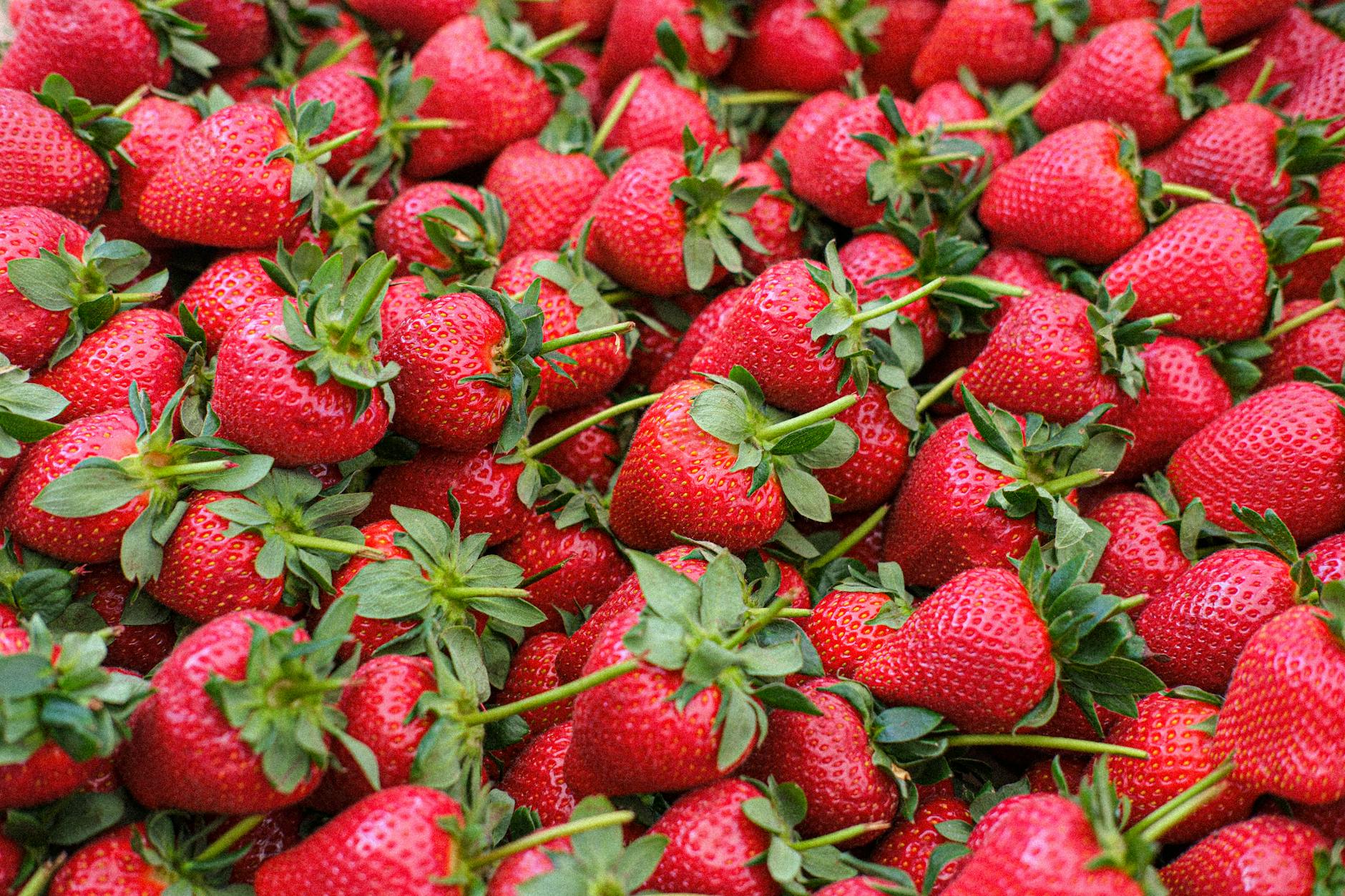
How to Incorporate Two Cups of Strawberries Into Your Daily Diet
The study that demonstrated cognitive benefits used two cups of fresh strawberries daily, so understanding how to practically achieve this intake is essential. Two cups is roughly equivalent to a large bowl of strawberries, or approximately 320 grams. For context, a standard serving of fruit is typically considered one cup, so the study recommendation amounts to two servings of strawberries. This is attainable for most people but does require intentional planning. Fresh strawberries are ideal because they retain their full complement of bioactive compounds, but frozen strawberries—which are frozen shortly after harvest—are nearly as nutritious and often more affordable and convenient.
A common approach is to blend frozen strawberries into morning smoothies, add them to yogurt, or eat them fresh as a snack. One 68-year-old participant in similar research divided her daily intake: one cup of fresh strawberries at breakfast with oatmeal, and one cup added to an afternoon yogurt parfait. She found this division made the goal feel less overwhelming than trying to consume two cups at a single sitting. The trade-off worth considering is that strawberries do contain natural sugars—about 11 grams per cup. For people managing diabetes or prediabetes, this should be factored into overall carbohydrate intake, though the fiber content and low glycemic impact of strawberries make them generally favorable for blood sugar control. The cardiovascular benefits observed in the study, including blood pressure reduction, suggest that these concerns are unlikely to outweigh the potential benefits for most older adults, but individual health circumstances vary.
Important Caveats and What We Still Don’t Know
While the research is encouraging, several important limitations warrant discussion. Observational studies and even controlled trials examining dietary interventions do not prove causation in the same definitive way that pharmaceutical trials can. The cognitive improvements observed in these studies are real and measurable, but we cannot yet say with absolute certainty that strawberries are the mechanism causing the benefit, or whether other factors associated with strawberry consumption might be responsible. Correlation and causation remain distinct, even in peer-reviewed research. Furthermore, the studies examined acute cognitive processing speed—the ability to quickly understand and respond to information—rather than long-term prevention of Alzheimer’s disease or other dementias.
There is a logical connection between these concepts, but a direct line cannot yet be drawn. A person who consumes two cups of strawberries daily is not guaranteed protection against cognitive decline, and strawberries are certainly not a replacement for established protective factors like cognitive engagement, physical exercise, quality sleep, and social connection. These latter factors have stronger and more comprehensive evidence supporting their protective effects. Another important consideration is that strawberry consumption occurs in the context of a person’s entire diet and lifestyle. Someone who eats strawberries but continues smoking, consumes high amounts of processed foods, and remains sedentary is unlikely to experience the cognitive benefits observed in studies where participants made multiple healthy choices. Additionally, individual genetic variations mean that some people may derive greater benefit from strawberry consumption than others—a phenomenon increasingly recognized in personalized nutrition research.

Strawberries Alongside Other Brain-Healthy Foods
While strawberries show promise, they are most effective as part of a broader approach to brain health. Other berries—blueberries, blackberries, and raspberries—contain similar anthocyanins and have been studied for their cognitive benefits as well. Some research suggests that blueberries may have particularly strong effects on memory, while strawberries excel at improving processing speed. The practical application is simple: variety matters.
A 71-year-old retired educator began eating “mixed berry bowls” several times weekly, combining strawberries, blueberries, and blackberries. She reported that this approach felt more sustainable than focusing on a single fruit, and the diverse array of compounds in different berries likely provides broader neuroprotection than any single fruit could offer. Other foods that complement strawberries in a brain-healthy diet include fatty fish rich in omega-3 fatty acids, leafy green vegetables containing lutein and zeaxanthin, nuts and seeds, and olive oil. These foods work synergistically with strawberries to reduce inflammation, support blood vessel function, and provide essential nutrients for neural health. The Mediterranean dietary pattern, which incorporates many of these foods, has shown robust evidence for protecting cognitive function in aging populations.
What’s Next in Strawberry Research for Brain Health
The field of nutritional neuroscience is advancing rapidly. Researchers are increasingly interested in understanding not just whether foods like strawberries provide benefit, but how and in whom they work best. Future research will likely examine whether certain strawberry varieties contain higher concentrations of protective compounds, whether the timing of consumption (morning versus evening) matters, and how long someone needs to consume strawberries regularly before cognitive benefits emerge.
Some researchers are also exploring whether strawberry extracts or supplements might provide benefit for people who cannot consume fresh fruit, though whole fruits remain preferable due to their fiber content and complete nutrient profile. Longer-term studies tracking strawberry consumption over many years may ultimately answer whether regular intake can slow or prevent the development of Alzheimer’s disease, or whether benefits plateau over time. For now, the evidence supports strawberries as a simple, evidence-informed dietary intervention worth considering as part of a comprehensive approach to brain health in older age.
Conclusion
Research published in 2025 demonstrates that two cups of fresh strawberries daily can improve cognitive processing speed and support cardiovascular health in adults over 65. This benefit appears to arise from bioactive compounds including pelargonidin and anthocyanins, which may reduce neuroinflammation and protect against pathological changes associated with Alzheimer’s disease. While the evidence is encouraging, it remains important to view strawberries as one component of a larger brain-health strategy, not as a standalone prevention or treatment. If you are 65 or older and concerned about cognitive health, incorporating fresh or frozen strawberries into your regular diet is a practical, affordable, and evidence-supported step.
Aim for two cups daily, divided across meals and snacks according to your preference. Pair this with other protective factors—regular physical activity, cognitive engagement, quality sleep, strong social connections, and a broad diet rich in other plant-based foods. Consult with your healthcare provider if you have specific health concerns or medications that might interact with dietary changes. The research suggests that small, consistent choices about what we eat can measurably support how our brains function as we age.
You Might Also Like
- New Research Links turmeric to Better Brain Health After 65
- New Research Links sardines to Better Brain Health After 70
- New Research Links salmon to Better Brain Health After 65
For more, see Alzheimer’s Association — caregiving.