The seven most common signs of disc herniation are localized back or neck pain, radiating pain that shoots down the arm or leg, numbness and tingling sensations in the affected area, muscle weakness that makes certain movements difficult, loss of bladder or bowel control in severe cases, visible muscle loss in the affected limb, and significantly reduced range of motion in the spine. These symptoms emerge when the soft, gel-like center of a spinal disc ruptures through its outer layer and irritates nearby nerves or the spinal cord itself. For instance, someone with a herniated disc in their lower back might experience sharp pain shooting from their buttock down their leg when they bend forward—a condition often called sciatica. This article examines each of these seven warning signs in detail, explaining what causes them, how doctors distinguish disc herniation from other conditions, and when urgent medical attention becomes necessary.
Table of Contents
- What Causes Localized Back and Neck Pain in Disc Herniation
- Understanding Radiating Pain and Nerve Compression
- Numbness and Tingling as Signs of Nerve Irritation
- Muscle Weakness and Functional Decline
- Loss of Bladder and Bowel Control as a Medical Emergency
- Visible Muscle Atrophy and Long-Term Nerve Damage
- Loss of Range of Motion and Protective Muscle Spasm
- Conclusion
- Frequently Asked Questions
What Causes Localized Back and Neck Pain in Disc Herniation
The initial and most obvious sign of disc herniation is pain concentrated at the site where the disc has ruptured. This pain results from inflammation of the surrounding tissues and compression of nerve roots at the exact location of the herniation. Someone might first notice this as a dull ache that gradually worsens, or as sudden sharp pain triggered by a specific movement like bending, twisting, or lifting. The severity varies dramatically between individuals—some people experience mild discomfort that comes and goes, while others describe constant, debilitating pain that interferes with sleep and daily activities.
A key distinction: this localized pain is usually worse first thing in the morning or after prolonged sitting, because these positions put maximum pressure on the compromised disc. However, localized pain alone doesn’t always indicate disc herniation. Muscle strain, arthritis, and facet joint problems can cause identical pain patterns. This is why imaging studies like MRI are essential for confirmation, because they show whether a disc has actually ruptured rather than just being inflamed. Pain that improves within a few days or weeks often suggests strain rather than herniation, whereas herniated disc pain typically persists or worsens without intervention.
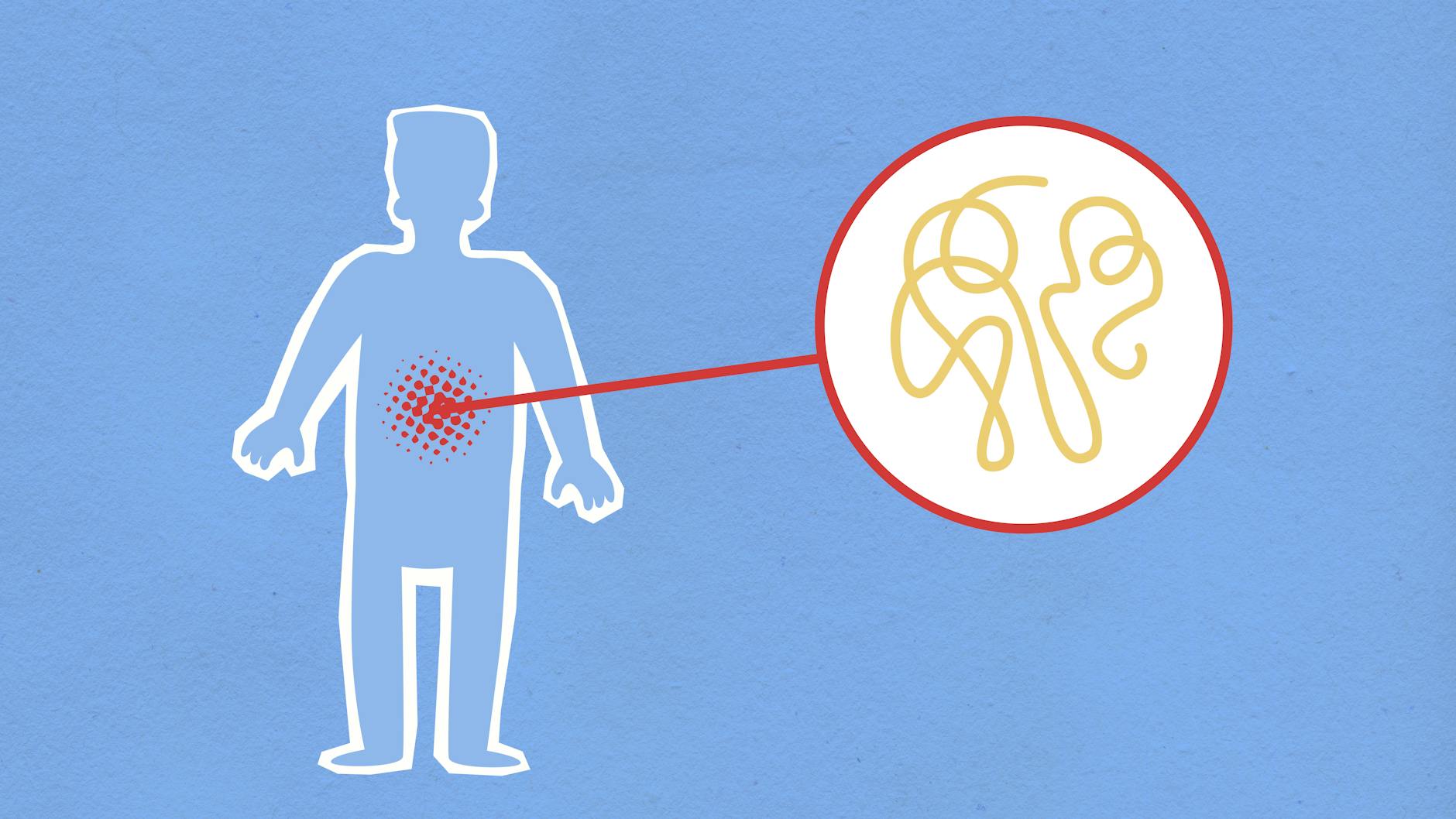
Understanding Radiating Pain and Nerve Compression
When a herniated disc bulges far enough to contact and compress a nerve root as it exits the spine, pain doesn’t stay localized—it radiates or shoots along the entire pathway of that nerve. Radiating pain is perhaps the most distinctive sign of disc herniation because it follows predictable patterns: lower back herniation typically causes pain down the buttock and leg (sciatica), while cervical spine herniation causes pain down the arm and into the fingers. Patients often describe this sensation as burning, sharp, or electric-like, and it usually affects only one side of the body. For example, a person with a herniated disc at the L5-S1 level (the lowest moveable disc in the spine) will almost always feel pain on the right or left leg specifically, not both legs simultaneously.
The key limitation to understand is that not all radiating pain means a herniated disc is compressing the nerve. Inflammation alone can cause referred pain, and sometimes a herniated disc is present on imaging without actually touching the nerve. If someone has radiating pain but maintains normal strength and sensation, the herniation may be significant enough to cause pain but not nerve damage. Conversely, if radiating pain is accompanied by progressive numbness or weakness, this indicates more serious compression requiring urgent evaluation.
Numbness and Tingling as Signs of Nerve Irritation
Numbness, tingling, or a “pins and needles” sensation in the arm, hand, leg, or foot suggests that the herniated disc is actively irritating the nerve in a way that disrupts normal sensory signals. Unlike pain, which indicates inflammation, numbness indicates that the nerve itself is not transmitting sensation properly. These sensations typically follow a specific distribution map based on which nerve root is compressed—a herniation affecting the C7 nerve might cause numbness in the middle and ring fingers, while an L4 herniation causes numbness on the top of the foot and thigh.
A practical example: someone might notice that their big toe feels numb or “asleep” all day, or that they can’t feel the texture of fabric against their calf anymore. Numbness and tingling can progress from intermittent to constant, or they can remain stable for months. However, numbness that suddenly becomes worse or spreads to new areas suggests worsening compression and warrants same-day medical evaluation. Additionally, numbness without accompanying pain can actually be more concerning than pain alone, because it indicates nerve damage rather than just nerve irritation, meaning the nerve has already lost some function.

Muscle Weakness and Functional Decline
When a herniated disc compresses a nerve strongly enough, it disrupts the signals that tell muscles to contract, resulting in noticeable weakness. A person might find that they can’t lift their leg as high as before, or that their grip strength has declined noticeably. Some people describe this as their leg or arm feeling “heavy” or “limp,” or they might notice they’re dragging their foot when walking. For instance, if the L5 nerve root is compressed, the person may lose the ability to walk on their tiptoes or lift their big toe upward—a simple test that reveals nerve damage.
Weakness is often more disabling than pain because it directly impairs function and creates safety risks like falls or loss of coordination. The critical distinction is that weakness from disc herniation is usually on one side of the body and follows a predictable muscle group pattern. If someone suddenly can’t move one arm or leg normally, they should seek emergency care on the same day. Weakness that develops gradually over weeks is concerning but slightly less urgent than acute onset, though it still requires prompt imaging and specialist evaluation to prevent permanent nerve damage.
Loss of Bladder and Bowel Control as a Medical Emergency
While less common than other signs, loss of bladder or bowel control is the most serious symptom of disc herniation and indicates a condition called cauda equina syndrome—where the herniated disc is compressing multiple nerve roots at once, usually in the lower lumbar spine. Symptoms include inability to feel the urge to urinate or defecate, inability to control urination or bowel movements, numbness in the genital and rectal area, or loss of sexual function. Even one of these symptoms warrants emergency hospital evaluation. A person with acute cauda equina syndrome might notice that they’ve suddenly wet themselves without feeling it, or that they can’t empty their bladder completely and need to strain.
This is a true surgical emergency because prolonged compression can cause permanent paralysis. The warning sign here is unmistakable: any loss of bladder or bowel control associated with back pain or leg pain should trigger a call to 911 or an immediate visit to an emergency room. Waiting even hours can result in permanent neurological damage. Surgeons can often prevent permanent disability by decompressing the nerve within 48 hours of symptom onset, but this window closes quickly as nerve damage becomes irreversible.

Visible Muscle Atrophy and Long-Term Nerve Damage
If a herniated disc compresses a nerve for weeks or months without treatment, the muscles that nerve supplies begin to shrink and weaken—a process called atrophy. Someone might notice that one leg is visibly thinner than the other, or that their forearm looks smaller and bonier compared to the opposite arm. This isn’t just a cosmetic issue; it indicates that the nerve hasn’t been able to send proper signals to those muscles, so they’ve begun to waste.
For example, a person with a long-standing L4 herniation might notice that their thigh is noticeably smaller and feels mushy when they touch it, even if they’ve been physically active. Atrophy can develop within a few weeks of significant nerve compression. The concerning aspect is that muscle atrophy is partly reversible—physical therapy and nerve recovery can rebuild some muscle—but severe, longstanding atrophy reflects permanent damage to some nerve fibers. This makes early treatment critical, because waiting until atrophy is visible means the window for complete recovery has already begun closing.
Loss of Range of Motion and Protective Muscle Spasm
Finally, a herniated disc often causes a noticeable decrease in how far the spine can bend, twist, or extend without pain. Someone might find they can no longer touch their toes, or that looking over their shoulder becomes difficult. This reduced range of motion occurs partly because pain prevents movement, but also because the body’s protective muscle spasm splints the spine—muscles around the injured disc tighten involuntarily to prevent further irritation.
Over time, this protective spasm can become chronic, creating additional pain and perpetuating the limitation. An example: someone who normally exercises regularly might notice they can’t swing a golf club through their full range anymore, or they experience sharp pain when trying to look down at their phone if the herniation is in their neck. Understanding that some loss of range of motion persists even after pain improves helps manage expectations during recovery. Physical therapy gradually restores movement, but aggressive stretching early in the course can worsen symptoms by irritating the inflamed nerve.
Conclusion
The seven signs of disc herniation—localized pain, radiating pain, numbness and tingling, muscle weakness, loss of bladder or bowel control, muscle atrophy, and reduced range of motion—form a spectrum from mild to severe. Most people experience only some of these signs rather than all seven, and the presence of any sign warrants evaluation by a spine specialist or neurologist, who can use imaging and physical examination to confirm whether a disc has ruptured and whether nerves are being compressed.
Early recognition of these signs and prompt evaluation give the best chance for successful conservative treatment with physical therapy, medications, and activity modification. However, any sign of significant weakness, progressive numbness, or especially loss of bladder or bowel control demands same-day or emergency medical attention to prevent permanent neurological damage.
Frequently Asked Questions
Can a herniated disc heal without surgery?
Yes, many herniated discs improve with conservative treatment including physical therapy, anti-inflammatory medications, and activity modification over weeks to months. Surgery becomes necessary when conservative treatment fails, when nerve compression is severe, or when loss of bladder or bowel control occurs.
How long do symptoms of a herniated disc typically last?
Most people experience improvement within 4-6 weeks with proper treatment, though some symptoms like numbness can persist longer. Complete resolution may take 3-6 months, and some residual symptoms can linger even after the acute phase.
Is a herniated disc visible on X-rays?
Herniations are not always visible on standard X-rays; MRI is the imaging study that definitively shows a herniated disc. A disc can look normal on X-ray but still be ruptured internally.
Can I exercise with a herniated disc?
Gentle movement and specific physical therapy exercises are beneficial, but high-impact activities and heavy lifting typically worsen symptoms. Your physical therapist can provide an exercise program designed for your specific herniation location.
Why does my pain sometimes get worse before it gets better?
Initial inflammation and swelling around the herniation can increase pain temporarily as the body’s inflammatory response kicks in. This typically peaks within the first week or two before gradual improvement begins.
Do I need surgery if I have a herniated disc?
No, most people improve without surgery. Surgery is considered when severe pain persists despite 6-8 weeks of conservative treatment, when progressive nerve damage occurs, or when cauda equina syndrome develops.