Caregivers can keep winter days active indoors with seated exercises, dancing to favorite music, simple art projects, and shared household tasks. These activities need no special equipment and work well during storms or icy days. Warm rooms, clear floors, and calm noise levels make participation easier for people living with dementia. Short sessions with rest breaks help both people stay comfortable.
Medical information disclaimer: This article is for general educational purposes only and does not provide medical advice, diagnosis, or treatment. Always consult a physician or other qualified health professional about symptoms, medications, tests, or treatment decisions.
Table of Contents
- Keep the room warm and steady
- How can you exercise together without equipment?
- Can music and art fill a winter afternoon?
- What keeps heating and power loss safe?
Keep the room warm and steady
Older adults make less body heat and feel cold faster. The National Institute on Aging advises keeping homes at 68–70°F, since even mildly cool indoor temperatures of 60–65°F can trigger hypothermia in older people cold weather safety guidance. Check the thermostat before starting an activity.
Close windows, shut unused room doors, and offer layers, socks, and warm drinks. Watch for shivering, pale skin, or unusual sleepiness and warm the person promptly. Keep walkways clear of cords, rugs, and clutter. Good light in hallways and bathrooms lowers trip risk during dark winter afternoons.
How can you exercise together without equipment?
Use the four types described by NIH News in Health: endurance, strength, balance, and flexibility, with examples such as marching in place, chair stands, one-foot stands, and stretching 2017 healthy-aging exercise report. NIH News in Health also reports that the NIA Go4Life exercises are designed for safe home use without special equipment or clothing. Go4Life is a National Institute on Aging exercise program for older adults.
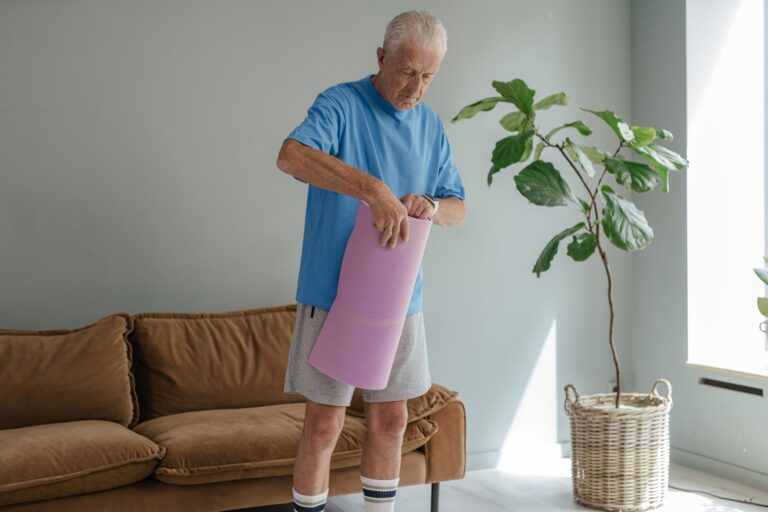
It gives simple moves caregivers and care recipients can do side by side in a living room. Pick one move from each type for a short, balanced session. The Alzheimer's Association notes that caregivers can do seated exercises at home, dance together to favorite music, and do routine indoor tasks they both enjoy, and can exercise alone with a mat, stationary bike, or video while the person naps healthy caregiver guidance. Fold laundry, wipe tables, or step side to side to music when formal exercise feels like too much.
- March in place beside a sturdy chair for endurance.
- Rise and sit slowly from the chair for leg strength.
- Hold the chair and try a brief one-foot stand for balance.
- Stretch shoulders, neck, and calves gently for flexibility.
Can music and art fill a winter afternoon?
Music and art offer calm indoor engagement without going outside. The Alzheimer's Association suggests encouraging clapping or dancing to music and offering simple art projects for a sense of accomplishment. Avoid sensory overload by closing doors and minimizing competing noise. Turn off the television, choose one familiar song at a time, and keep the volume low.
Stop or switch activities if the person covers ears, paces, or withdraws. Choose projects with few steps and large materials. Try watercolors, collage from magazines, sorting buttons by color, or decorating cards. Display finished work where the person can see it.
What keeps heating and power loss safe?
Heaters and fireplaces need clear space. The American Red Cross advises keeping anything burnable at least 3 feet from space heaters and fireplaces, turning portable heaters off when leaving the room or sleeping, and never using an oven to heat the home winter storm safety guidance. The same Red Cross guidance warns never to run a generator, grill, or camp stove indoors or in a garage.
Operate fuel-burning equipment outdoors away from windows because carbon monoxide can kill. Move to fresh air at once for sickness, dizziness, or weakness. The Centers for Disease Control and Prevention advises keeping refrigerator and freezer doors closed during outages. Per that guidance, food stays safe up to 4 hours in a refrigerator, 48 hours in a full freezer, and 24 hours in a half-full freezer when doors stay closed.