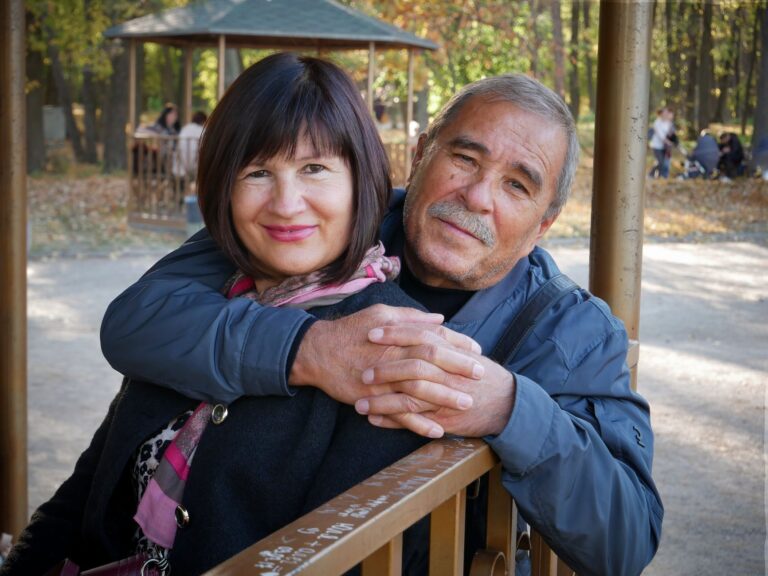
Winter isolation is a genuine risk factor for cognitive decline, not just a mood problem — and December is when housebound older adults get the least contact. The practical answer for caregivers is to protect two things at once: regular human contact, and the physical conditions (heat, light, footing) that make contact possible. The evidence here is observational, so no one can promise that a weekly visit prevents dementia. But isolation is one of the few risk factors a caregiver can actually change, and the winter version of it is unusually easy to spot and fix.
Medical information disclaimer: This article is for general educational purposes only and does not provide medical advice, diagnosis, or treatment. Always consult a physician or other qualified health professional about symptoms, medications, tests, or treatment decisions.
Table of Contents
- What the research actually shows about isolation and dementia risk
- Check the thermostat before you conclude it's the dementia
- Short days, sundowning, and what helps
- Keeping contact going when going outside is hard
- The caregiver's own isolation counts
- Frequently Asked Questions
What the research actually shows about isolation and dementia risk
Social isolation means having few contacts and little interaction — a measurable, objective shortage. It is not the same as loneliness, which is the feeling of lacking connection. The distinction matters because the two come apart: a person can be surrounded by family and feel lonely, or be content alone and still face elevated risk. A UK Biobank analysis published in *Neurology* by University of Cambridge researchers found socially isolated older adults had a 1.26-fold higher dementia risk even after adjusting for loneliness and depressive symptoms. The authors concluded isolation is a risk factor in its own right.
In the nationally representative NHATS cohort of about 5,000 older U.S. adults followed roughly nine years, Johns Hopkins researchers reported a 27–28% higher chance of developing dementia among the socially isolated after adjustment. Both studies are observational. They cannot prove isolation causes decline, and some of the association may run the other way — early cognitive changes can cause withdrawal. The 2024 Lancet standing Commission on dementia named 14 modifiable risk factors, social isolation among them, and estimated 45% of dementia worldwide could in principle be prevented or delayed by eliminating all 14. That figure assumes every factor is causal and fully removable, which is why it describes a ceiling rather than a forecast.
Check the thermostat before you conclude it's the dementia
This is the single most useful winter rule for caregivers. The National Institute on Aging lists slurred speech, shivering and confusion as warning signs of hypothermia — the same presentation a caregiver may read as a bad week or a step down in the disease. The temperature that causes it is lower than most people expect.
NIA advises keeping indoor heat at or above 68°F and warns that a home held at 60–65°F can still cause hypothermia in an older adult, defined as a core body temperature of 95°F or lower. Call 911 for a suspected case. The Alzheimer's Association adds the detail that makes this specific to dementia care: a person with dementia may be unable to tell you they are cold. So the thermostat, the blankets and the state of the heating are the caregiver's job to verify directly, not something to wait to hear about.
Short days, sundowning, and what helps
Sundowning is confusion, agitation or restlessness that worsens in the late afternoon and evening. The Alzheimer's Association states that shorter winter days increase its likelihood and advises monitoring closely for agitation or restlessness through December.
NIA's guidance offers countermeasures that fit a short day: Before attributing a bad stretch to winter or to progression, rule out the treatable. NIA notes agitation can be driven by pain, depression, stress, constipation or too little sleep — all worth a doctor's visit.
- Keep the daily schedule steady — same meals, same bedtime
- Get outdoor light, or time sitting by a window, every day
- Avoid long naps late in the afternoon
- Skip alcohol and caffeine in the evening
- Cut evening noise and clutter
Keeping contact going when going outside is hard
The exposure the research describes is common in exactly the population winter creates: people who stop leaving the house in December and do not resume until spring. So the aim is to hold contact steady through those weeks rather than let it lapse and restart. Going out is still worth doing, with precautions.
The Alzheimer's Association advises assuming all outdoor surfaces are slick, using sturdy shoes, and walking slowly alongside the person — and warns that impaired judgment makes winter wandering especially dangerous, which is the case for keeping outdoor time accompanied. Practical substitutes when the walk is off: a standing phone or video call at the same hour each week, a neighbor who stops in, a faith community or adult day program that runs through the holidays. The Alzheimer's Association also tells caregivers plainly to ask others for help with errands, groceries, and snow and ice removal — a cleared walk is what makes the next visit possible.
The caregiver's own isolation counts
The risk factor applies to the person doing the caring too, and December shrinks a caregiver's world as much as anyone's. The U.S.
Surgeon General's 2023 advisory reports that social isolation raises the risk of premature death by 29% and loneliness by 26%, comparable to smoking up to 15 cigarettes a day. The same advisory notes that about one in two American adults reported loneliness even before COVID-19 — so a caregiver who feels cut off is describing something widespread, not a personal failing. Delegating the snow removal and the grocery run buys back hours that can go toward the caregiver's own contacts, which is a health measure and not an indulgence.
Frequently Asked Questions
How cold is too cold indoors for an older adult?
NIA advises 68°F or warmer. A home kept at 60–65°F can still cause hypothermia in an older adult, so "not freezing" is not the standard.
Does more visiting lower dementia risk?
The studies are observational and cannot prove that. They show isolation is independently associated with higher risk, which makes maintaining contact a reasonable and low-cost thing to do — not a proven treatment.
My relative seems suddenly confused and is slurring. Is that progression?
Check for cold exposure first. NIA lists confusion, slurred speech and shivering as hypothermia warning signs, and advises calling 911 for a suspected case.