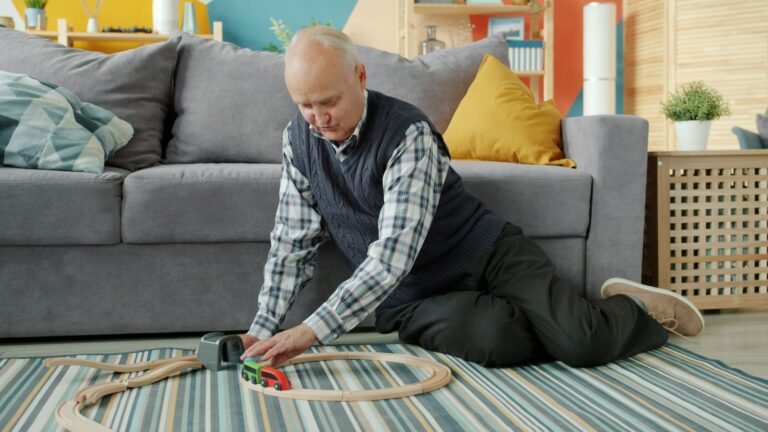
The best winter activities for memory care residents with limited mobility are seated movement, tabletop games, music, photos, simple household jobs, and calm crafts. Memory care means residential care for people with dementia who need daily supervision, structure, and help with tasks. Short days and cold weather keep many residents indoors for months. Small seated sessions and familiar pastimes can protect strength, ease restlessness, and fill the evening hours with useful contact.
Medical information disclaimer: This article is for general educational purposes only and does not provide medical advice, diagnosis, or treatment. Always consult a physician or other qualified health professional about symptoms, medications, tests, or treatment decisions.
Table of Contents
- How can seated residents keep moving safely?
- Which tabletop games suit early to mid-stage dementia?
- Can music and photos reach late-stage dementia?
- What useful jobs give a sense of purpose?
- How do you ease winter evenings and sundowning?
How can seated residents keep moving safely?
Use a stable chair without wheels, with feet flat and knees at right angles. Ireland's HSE, adapting NHS guidance, describes chest stretches, upper-body twists, hip marching, ankle stretches, and arm raises in its seated exercise guide. Hold each chest stretch 5 to 10 seconds, repeat five times, and aim for at least twice weekly.
Turn routine indoor time into extra movement as well. McMaster University's Optimal Aging Portal advises seated leg lifts, arm raises, and gentle twists, plus brief standing heel or side-leg lifts if able, in its indoor activity advice. It also suggests folding movement into household tasks and getting up briefly every hour.
- Pick one or two moves per session
- Keep shoulders relaxed and breathe normally
- Stop if pain, dizziness, or chest discomfort starts
Which tabletop games suit early to mid-stage dementia?
Puzzles, cards, checkers, and dominoes work well when matched to current ability. The Alzheimer's Association says stimulating game days can enhance quality of life and reduce wandering and agitation, according to its winter engagement guidance. Choose large pieces, short rounds, and simple rules.
Play with the person, not against them. Set out one game at a time, break turns into small steps, and keep background noise low. End while the mood is still good, before fatigue sets in.
Can music and photos reach late-stage dementia?
Yes. Even people with late-stage dementia can tap a beat or sing familiar childhood lyrics. Family photo albums also help when paired with open questions about school, pets, or first cars.
Keep sessions short, warm, and sensory. Play one loved song at a time, offer a hand to tap, and pause when attention fades. Let the resident look, point, or listen without being asked to perform.
What useful jobs give a sense of purpose?
Familiar household jobs help residents feel useful and independent. The Alzheimer Society of Canada points to folding laundry, sorting objects, watering indoor plants, and washing dishes.
Do the task together, leave materials in sight, and break work into one action at a time. Simple cooking can add smell-linked nostalgia, especially no-bake cookies, cake decorating, or heritage holiday dishes. Use pre-measured ingredients and few-step recipes, and avoid stove use for seated residents to lower burn risk.
How do you ease winter evenings and sundowning?
Winter's shorter days can worsen sundowning, meaning evening confusion, agitation, and restlessness. Vinson Hall memory care notes calm crafts plus music and reminiscence can ease that distress. Try large-cut paper snowflakes, pinecone bird feeders, and tissue-covered jars.
Timing matters more than finishing. The Alzheimer Society of Canada advises matching the activity to that day's mood and alertness, scheduling it when the resident is most alert, and avoiding competing noise. Do not quiz with sharp questions about memory. If an activity fails, retry another day.