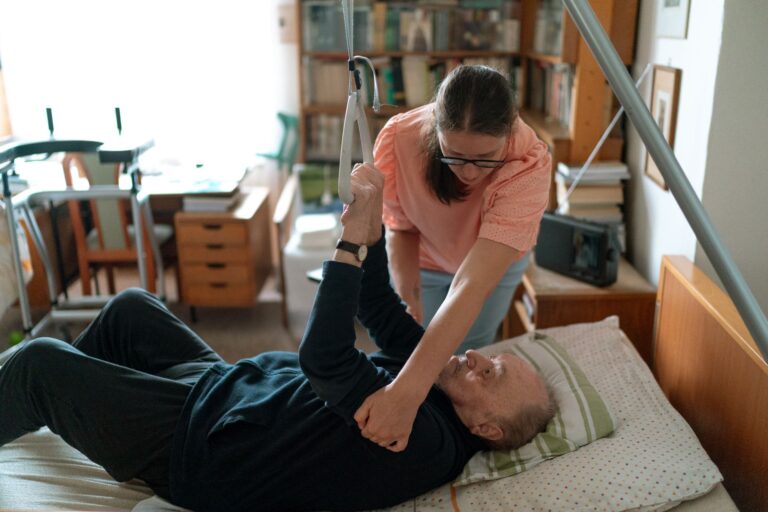
Aging even sits at the center of this dementia and brain health question.
You might be one of those people who feels great, even as the years go by. You’re active, you eat well, and you don’t have any major health issues. Yet, despite your best efforts, you’re still aging. It’s not just about how you feel; it’s about what’s happening inside your body.
Biological aging is a complex process that involves changes at the cellular, molecular, and physiological levels. It’s characterized by things like cellular senescence, where cells stop dividing and start causing problems, epigenetic changes that affect how genes work, and mitochondrial dysfunction, which affects how your cells produce energy. These changes can lead to inflammation, tissue damage, and eventually, age-related diseases.
Even if you feel fine, these processes are still happening. For example, your cells are constantly dealing with stress from things like DNA damage and environmental toxins. This stress can lead to cellular senescence, which might not cause immediate symptoms but contributes to aging over time.
Another factor is epigenetic changes. These are like chemical switches that turn genes on or off, and they can influence how your cells behave. As you age, these switches can get stuck in the wrong position, affecting how your body functions.
Mitochondria, the energy-producing parts of your cells, also play a crucial role. As they start to malfunction, your cells don’t get the energy they need, leading to a decline in overall health.
Lifestyle factors like diet, exercise, and stress management can influence how fast you age. While these habits can help slow down some aspects of aging, they can’t completely stop it. Biological age tests can give you a better idea of how your body is aging compared to your chronological age. These tests look at things like blood markers and DNA methylation to assess your health and risk of age-related diseases.
Understanding biological aging can help you make informed choices about your health. Even if you feel fine now, knowing what’s happening inside your body can motivate you to make changes that might improve your healthspan—the length of time you live in good health.
For more, see Alzheimer’s Association — medical tests.