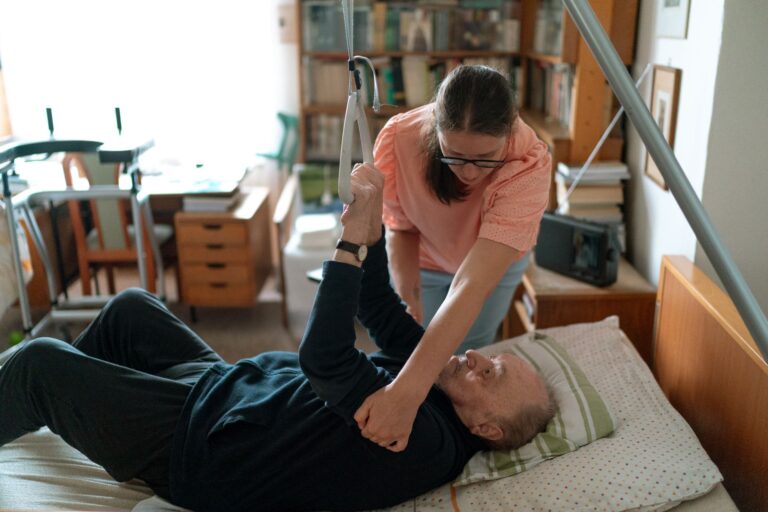
Police ourselves sits at the center of this dementia and brain health question.
When we think about why we police ourselves before others do, it’s helpful to consider the psychological and social factors at play. One key aspect is the way individuals, especially those in positions of authority like police officers, manage their emotions and stress. For instance, aspiring police officers often exhibit high levels of anxiety and a strong desire for rewards, which can sometimes lead to aggressive responses when faced with obstacles. This self-regulation is crucial because it influences how they perceive and react to stressful situations.
Moreover, the concept of self-policing is deeply rooted in societal norms and expectations. People often internalize the rules and values of their community, which can lead them to monitor their own behavior to avoid social disapproval or legal consequences. This internalization is reinforced by the legal system and social structures that emphasize personal responsibility and accountability.
In the context of law enforcement, the idea of policing oneself is also linked to the broader societal dynamics. For example, police departments often adopt certain philosophies, like the broken windows theory, which emphasize addressing minor infractions to prevent larger issues. This approach can lead to a culture where individuals feel compelled to police themselves to avoid interactions with law enforcement.
Additionally, the way we perceive authority figures and the legal system plays a significant role. If people feel that the law is fair and legitimate, they are more likely to self-regulate their behavior. Conversely, if there is a perception of injustice or abuse of power, individuals might be less inclined to police themselves, leading to potential conflicts with authority.
Ultimately, the reasons we police ourselves before others do are complex and multifaceted, involving psychological, social, and legal factors. Understanding these dynamics can help us better navigate our interactions with authority and our own behavior within society.
For more, see Alzheimer’s Association — medical tests.